
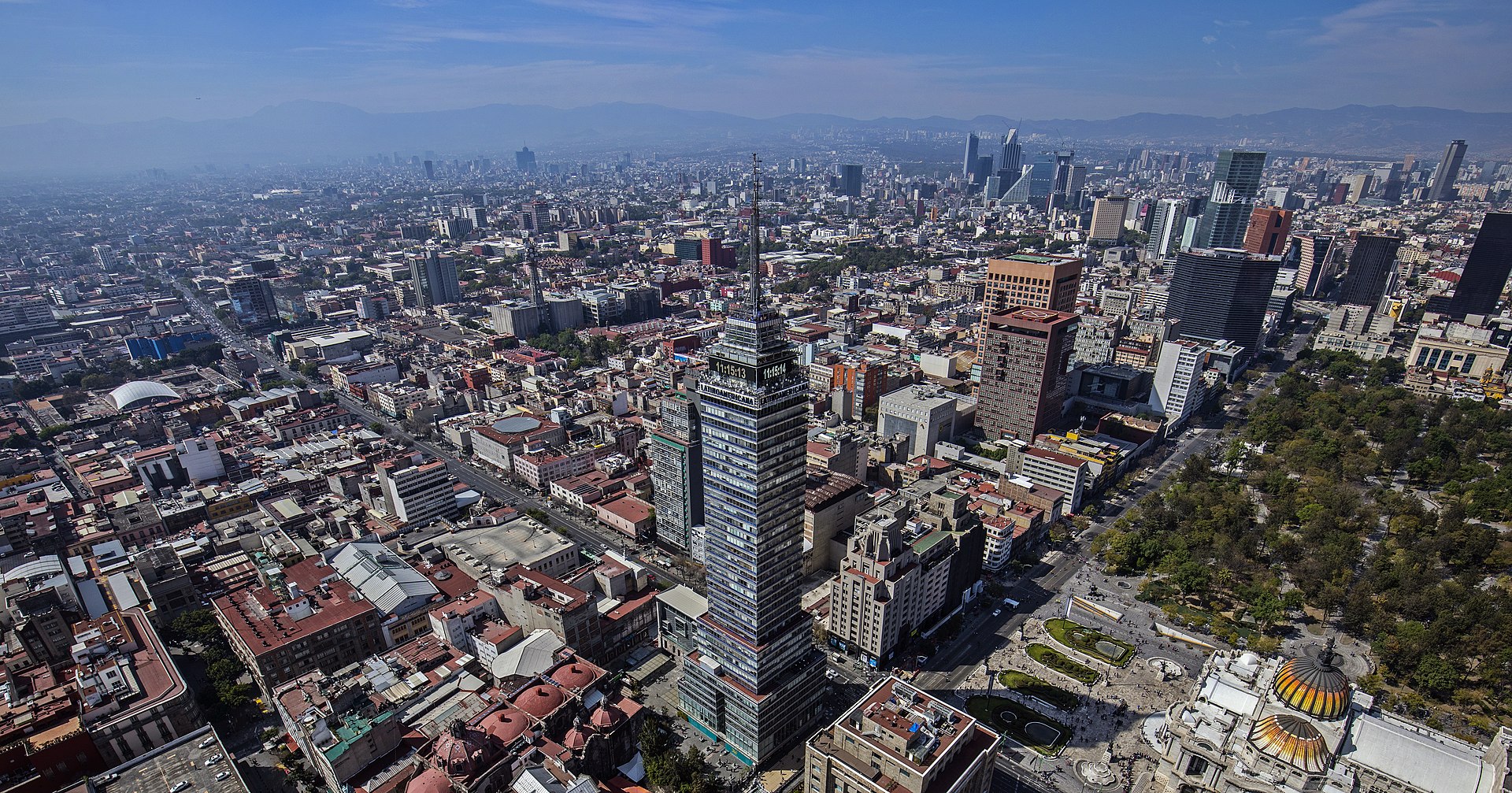
Mexico City is a sprawling metropolis of over 20 million people, and its neighbourhoods (colonias) vary enormously. Here’s where expats and digital nomads actually cluster, and why.
Roma Norte
The single most popular neighbourhood for remote workers and expats, packed with specialty coffee shops, coworking spaces, and a dense restaurant scene. Beautiful tree-lined streets and Art Deco architecture, but also the most expensive and most gentrified of the popular areas, with a visibly large foreign resident population.
Condesa
Adjacent to Roma Norte and similarly popular, centered around the circular Parque México. Slightly quieter and more residential-feeling than Roma, with a strong cafe culture and good walkability, at a broadly similar price point.
Escandón
A quieter, more affordable alternative just south of Condesa, increasingly popular with those who want proximity to Roma/Condesa’s amenities without the premium rent or as many tourists.
Polanco
Mexico City’s most upscale, business-oriented neighbourhood, home to international corporations, high-end shopping, and museums. Popular with corporate expats and those wanting a more polished, less bohemian feel — rent here rivals or exceeds Roma/Condesa.
Coyoacán
A historic, colorful neighbourhood in the south of the city, known for its colonial architecture, the Frida Kahlo Museum, and a more local, family-oriented feel. Further from the main nomad hubs but offers a genuinely different, quieter pace of life.
Where to Be Cautious
Mexico City is huge, and safety varies significantly by area — some outer colonias have higher crime rates and are not typically recommended for newcomers without local knowledge. Sticking to the well-established expat corridor (Roma, Condesa, Polanco, Coyoacán) is the standard, sensible approach for most visitors and new residents.
The Bottom Line
Roma Norte and Condesa remain the default choices for most nomads due to walkability, amenities, and community, while Escandón offers similar access at a lower price, and Coyoacán suits those wanting a quieter, more local experience.
Frequently Asked Questions
Is Roma Norte too touristy now?
It’s noticeably geared toward expats and can feel less “authentically local” than a decade ago, but it remains genuinely walkable, safe, and well-serviced, which is why it stays popular despite the change.
What’s the best area for families?
Coyoacán and parts of Polanco are generally considered more family-friendly, with better access to international schools and parks.
Commute and Getting Around Notes
Mexico City traffic can be heavy at peak hours — factor this into any neighbourhood choice if you’ll be commuting regularly by car or rideshare rather than relying on the Metro/Metrobús network.
Del Valle
A more local, family-oriented colonia south of Roma/Condesa, offering good value and a genuine residential feel with fewer tourists, popular with those who’ve been in the city longer and want more space for the money.
San Ángel
A historic, cobblestoned area in the south known for its Saturday art market and colonial architecture — quieter and further from the main nomad hub, appealing to those wanting a slower, more traditional Mexico City experience.
What Rent Actually Buys You Where
| Area | 1BR Rent Range | Best For |
|---|---|---|
| Roma Norte | $800–1,100 | Walkability, community, dining |
| Condesa | $750–1,050 | Parks, cafes, similar to Roma |
| Escandón | $500–750 | Value, proximity to Roma/Condesa |
| Polanco | $900–1,400 | Business, upscale, shopping |
| Coyoacán | $550–800 | Culture, quieter, families |
How Apartment Hunting Actually Works
Facebook groups aimed at expats and Vivanuncios/Inmuebles24 are the standard search tools, though many long-term rentals still get found by walking neighbourhoods and calling numbers on “se renta” signs — a more analog process than some newcomers expect from a major global city.
Roma Sur
Just south of Roma Norte, offering a similar walkable, leafy feel at a somewhat lower price point, popular with those who want Roma’s character without its premium rents.