
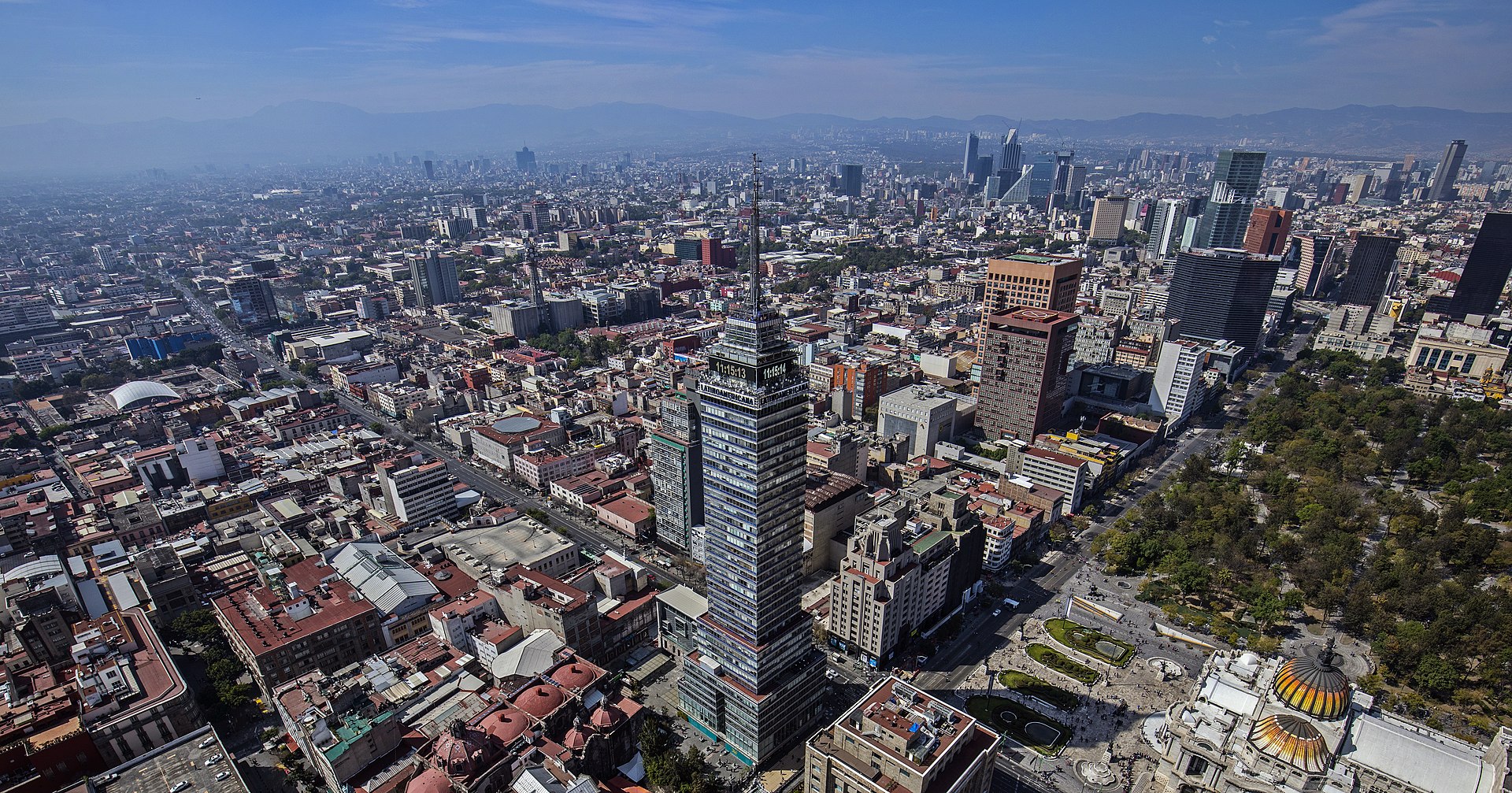
Mexico City’s safety reputation is complicated by outdated stereotypes about Mexico as a whole. The reality for visitors and residents sticking to the well-established areas is considerably better than most people assume.
The Honest Picture
Mexico City has become significantly safer over the past 15 years, and the neighbourhoods where most tourists and expats spend their time (Roma, Condesa, Polanco, Coyoacán, the historic center) see crime levels comparable to many major world cities for petty crime, and notably low rates of tourist-directed violent crime. The cartel violence that dominates international headlines about Mexico is overwhelmingly concentrated in specific states and border regions, not Mexico City’s central, tourist-frequented areas.
What to Actually Watch For
- Pickpocketing and phone snatching: the most common issue, particularly on crowded Metro cars and in busy tourist areas — keep phones and bags secure.
- Unlicensed taxis: stick to app-based ride-hailing (Uber, Didi) or officially sanctioned taxi stands rather than hailing random street taxis, which have a history of “express kidnapping” incidents targeting a small number of victims.
- ATM skimming: use ATMs inside banks or malls rather than standalone street machines.
- Air quality: not a crime risk, but Mexico City’s altitude and occasional poor air quality days are worth being aware of, particularly for those with respiratory conditions.
Solo Travelers and Women
Solo female travelers generally report positive experiences in the well-established central neighbourhoods, though standard urban precautions (avoiding walking alone late at night in unfamiliar areas, using rideshare after dark) are sensible, as in any major city.
Emergency Numbers
General emergency: 911, which functions similarly to the US system. Tourist-specific assistance is also available through the Locatel line (55-5658-1111) which offers guidance in multiple languages.
The Bottom Line
For visitors sticking to the standard expat and tourist areas, Mexico City is considerably safer than its international reputation suggests. The real, practical risks are petty theft and unlicensed taxis — not the cartel violence associated with Mexico in the news.
Frequently Asked Questions
Is the cartel violence a real concern in Mexico City itself?
Largely no for the areas tourists and expats frequent — that violence is concentrated in specific other states and border regions, not the capital’s central neighbourhoods.
Should I avoid street taxis entirely?
It’s the standard, sensible advice — use app-based ride-hailing or official taxi stands (sitios) rather than hailing an unmarked taxi on the street.
Scams to Be Aware Of
Beyond street taxi risks, be cautious of unsolicited “helpful” strangers near ATMs, and always confirm prices before getting into any unofficial transport. Timeshare pitches near tourist zones are persistent but not dangerous — a firm “no” ends the conversation.
Traffic and Pedestrian Safety
Mexico City’s traffic can be chaotic by some visitors’ standards — crosswalks and signals aren’t always strictly observed by drivers, so stay alert crossing streets even with a walk signal.
Health and Altitude
Mexico City sits at over 2,200 meters elevation, and some visitors experience mild altitude effects (fatigue, shortness of breath, headaches) for the first few days — staying hydrated and pacing activity helps, and it’s rarely a serious issue for otherwise healthy travelers.
LGBTQ+ Travelers
Mexico City is one of the most LGBTQ+-friendly cities in Latin America, with same-sex marriage legal, a large Pride celebration, and an established gay-friendly nightlife scene, particularly in Zona Rosa.
Natural Disaster Awareness
Mexico City sits in a seismically active zone — buildings constructed after the 1985 earthquake follow significantly stricter codes, and the city has an effective early-warning alert system (a distinctive alarm sound) that’s worth knowing in advance.