
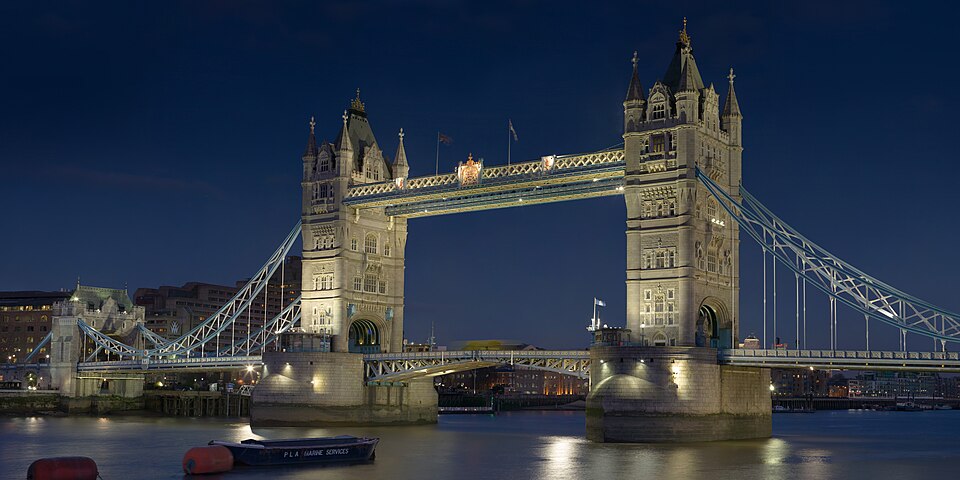
London is consistently one of the most expensive cities in the world to live in, and the numbers back that reputation up. Here’s a realistic 2026 monthly budget.
Rent
Rent is by far London’s biggest expense. A one-bedroom apartment in central zones (Zone 1–2, areas like Shoreditch, Clapham, or Angel) runs £1,600–2,400/month. Moving to outer zones (Zone 3–4, areas like Walthamstow, Tooting, or Greenwich) brings costs down to £1,100–1,600, still with a reasonable commute via London’s extensive Underground and rail network. Flatsharing is extremely common even among working professionals in their late 20s and 30s given the cost of solo renting, with a room in a shared house running £700–1,100.
| Expense | Budget | Comfortable |
|---|---|---|
| Rent (1BR) | £1,100–1,400 | £1,800–2,400 |
| Groceries | £220 | £380 |
| Eating out | £150 | £450 |
| Transport | £150 | £180 |
| Utilities + Wifi | £130 | £180 |
| Total (monthly) | ~£1,750 | ~£3,190 |
Food
A casual lunch (sandwich chains, fast casual) runs £8–12, and a mid-range restaurant dinner is typically £20–35 per person before drinks. Grocery costs are moderate — budget supermarkets like Aldi and Lidl help considerably compared to Waitrose or M&S. London’s coffee culture means a flat white averages £3.50–4.50.
Transport
The Underground and bus network is extensive but genuinely pricey — a zone 1–2 monthly Travelcard runs around £180, though pay-as-you-go with a contactless card or Oyster caps daily spending automatically. Many central-living residents skip owning a car entirely, as it’s rarely worth the cost and hassle of London traffic and parking.
Healthcare
UK residents (including many visa categories) access the National Health Service (NHS), funded partly through the Immigration Health Surcharge paid as part of most visa applications (roughly £1,000+/year depending on visa type). This gives access to free-at-point-of-use healthcare, though wait times for non-urgent care can be long — many expats supplement with private insurance (£40–100/month) for faster access.
The Bottom Line
A single person can live modestly in London for £1,800–2,200/month in outer zones with a flatshare, while a comfortable, centrally-located solo lifestyle runs £3,000+. It remains one of the most expensive cities globally, comparable to or exceeding New York on rent specifically.
Frequently Asked Questions
Is London cheaper than New York?
Broadly comparable, with London often slightly cheaper on rent but more expensive on some daily costs depending on exchange rates at the time.
How common is flatsharing among working adults?
Very common — a significant share of London professionals into their 30s flatshare simply due to cost, unlike in many other major cities.
One-Time Setup Costs
UK tenancy deposits are typically capped at 5 weeks’ rent by law (for annual rent under £50,000), plus the first month’s rent up front. Letting agency fees for tenants were largely banned under the Tenant Fees Act, which has made the process somewhat less costly than it once was, though referencing and guarantor requirements remain a real hurdle for newcomers without UK credit history.
Regional Cost Differences Within London
Beyond central versus outer zones, note that South London (Zones 2–3) generally offers better value than equivalent North/West London postcodes, and commuter towns just outside London (like Watford or Croydon, both within the Zone/rail network) can meaningfully cut costs for those willing to trade a longer commute.
Taxes
UK income tax is progressive, up to 45% at the top bracket, plus National Insurance contributions. VAT is 20% on most goods and services, already included in displayed prices, unlike US sales tax.
Saving Money Day-to-Day
- Markets like Borough and Broadway offer better value than supermarkets for fresh produce, though not dramatically cheaper than budget chains like Aldi and Lidl.
- An Oyster or contactless card automatically caps your daily and weekly transport spending — no need to calculate the cheapest ticket type yourself.
- Many museums (British Museum, Tate Modern, National Gallery) are free to enter, a genuine budget advantage over most major world capitals.