
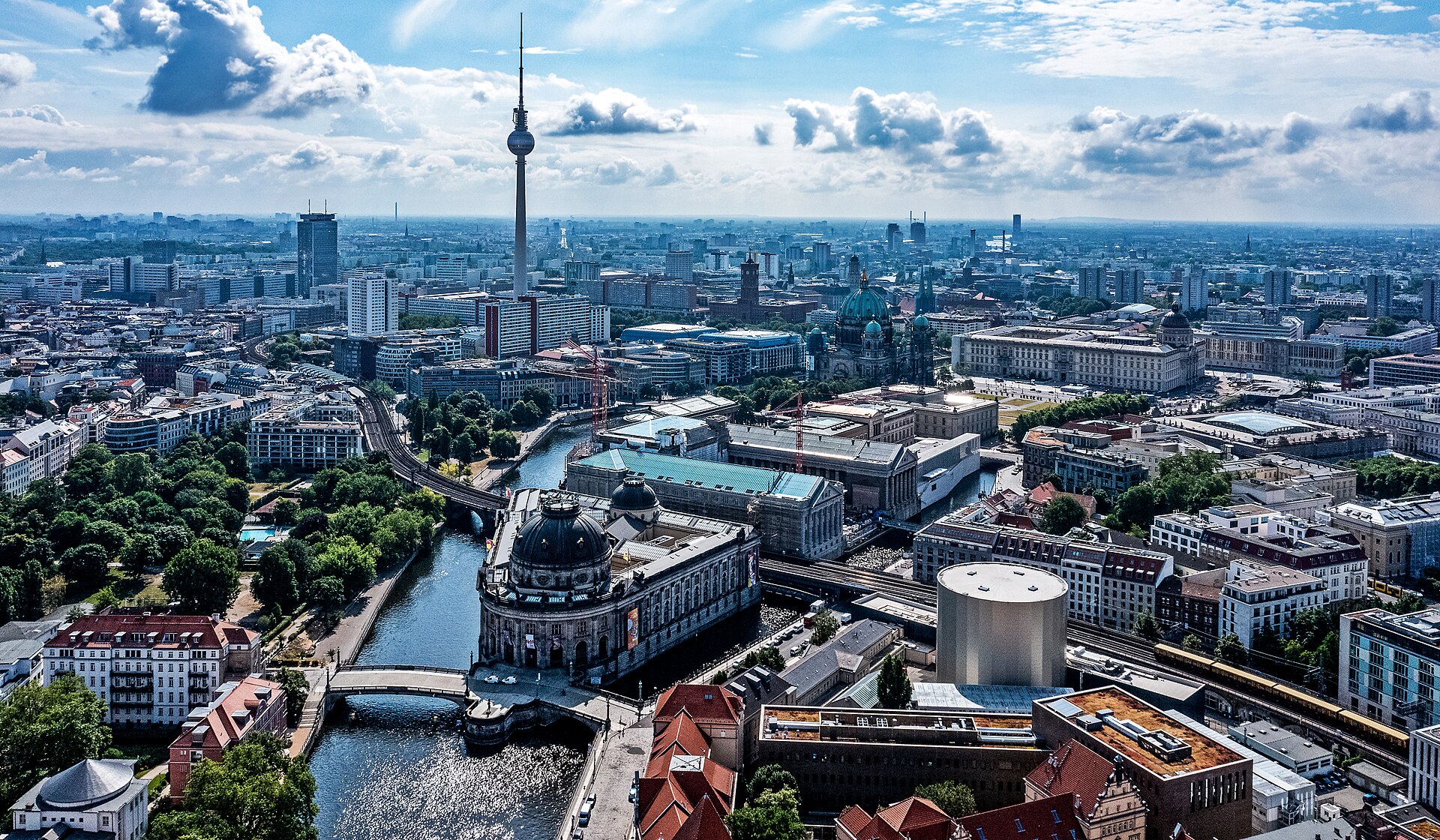
Germany has one of the more structured but genuinely accessible visa systems in Europe for freelancers and remote workers, anchored by the well-known “Freiberufler” (freelance) residence permit. Here’s how entry and long-term stays work in 2026.
Tourist Entry (Schengen Rules)
Citizens of the US, UK, Canada, Australia, and most non-EU Western countries can enter Germany visa-free for up to 90 days within any 180-day period, as part of the Schengen Area — this counts across all Schengen countries combined. No visa application is needed for short visits, just a valid passport and, if asked, proof of onward travel and funds.
The Freiberufler Route
Germany’s freelance residence permit (Aufenthaltserlaubnis für freiberufliche Tätigkeit) is one of Europe’s most established routes for self-employed remote workers, particularly popular in Berlin’s large creative and tech freelance community. Requirements include proof of freelance work in an eligible profession (writers, designers, developers, consultants, and similar “liberal professions” qualify most easily), letters of intent or contracts from clients (at least 2–3), proof of sufficient income or savings, health insurance, and a registered Berlin address (Anmeldung).
Applying: What to Expect
- Applications are made at Berlin’s Ausländerbehörde (foreigners’ office) after arrival — unlike many countries, this can genuinely be started as a tourist and converted, which is unusual and one of the reasons Berlin is popular with freelancers.
- You’ll need a local address registration (Anmeldung) first, which requires a rental contract — a real logistical hurdle in Berlin’s tight housing market.
- Processing and appointment availability can take months in Berlin specifically due to high demand — apply for your Ausländerbehörde appointment as early as possible.
Employed Work (Blue Card)
For those with a job offer from a German employer, the EU Blue Card offers a streamlined path for skilled workers meeting a salary threshold, with a faster route to permanent residency (as little as 21–33 months with sufficient German language skills) than most other visa categories.
The Bottom Line
For a trip under 90 days, no visa is needed. For freelancers wanting to base themselves in Berlin long-term, the Freiberufler visa is genuinely one of the more accessible self-employment visas in Europe — but the Anmeldung/housing bottleneck and Ausländerbehörde appointment wait times are the real practical obstacles, not the visa criteria itself.
Frequently Asked Questions
Can I really apply for the freelance visa after arriving as a tourist?
Yes, this is one of the notable features of the German system — many freelancers arrive on the 90-day visa-free entry and apply for the Freiberufler permit from within Germany before it expires.
Is the Anmeldung really that difficult to get?
Yes — Berlin’s housing shortage means many landlords are reluctant to register tenants (Anmeldung), and this has become one of the biggest practical bottlenecks for newcomers trying to establish legal residency.
Comparing Your Visa Options at a Glance
| Route | Max Stay | Key Requirement |
|---|---|---|
| Tourist (Schengen) | 90 days in 180 | Eligible passport only |
| Freiberufler (Freelance) | 1–3 years, renewable | Freelance contracts, Anmeldung, insurance |
| EU Blue Card | Up to 4 years, fast PR track | Employer sponsorship, salary threshold |
Costs to Budget For
The Freiberufler application fee itself is modest (typically under €100), but budget for mandatory health insurance (from ~€250/month for public coverage), the Anmeldung-compatible housing you’ll need first, and potentially a portfolio/CV translation if applying with non-German documentation.
What Immigration Actually Checks on Arrival
As a Schengen entry, border checks are typically light for eligible nationalities. The real scrutiny comes later at your Ausländerbehörde appointment, where you’ll need to demonstrate genuine freelance work (client letters, contracts, a clear professional profile) rather than just intent to look for work.
Renewals and Overstays
Freiberufler permits are renewed at the Ausländerbehörde before expiry, generally requiring updated proof of continued freelance income. Overstaying Schengen’s 90-day rule can affect future Schengen-wide entry, so track your days carefully if you’ve traveled elsewhere in the zone before applying.