
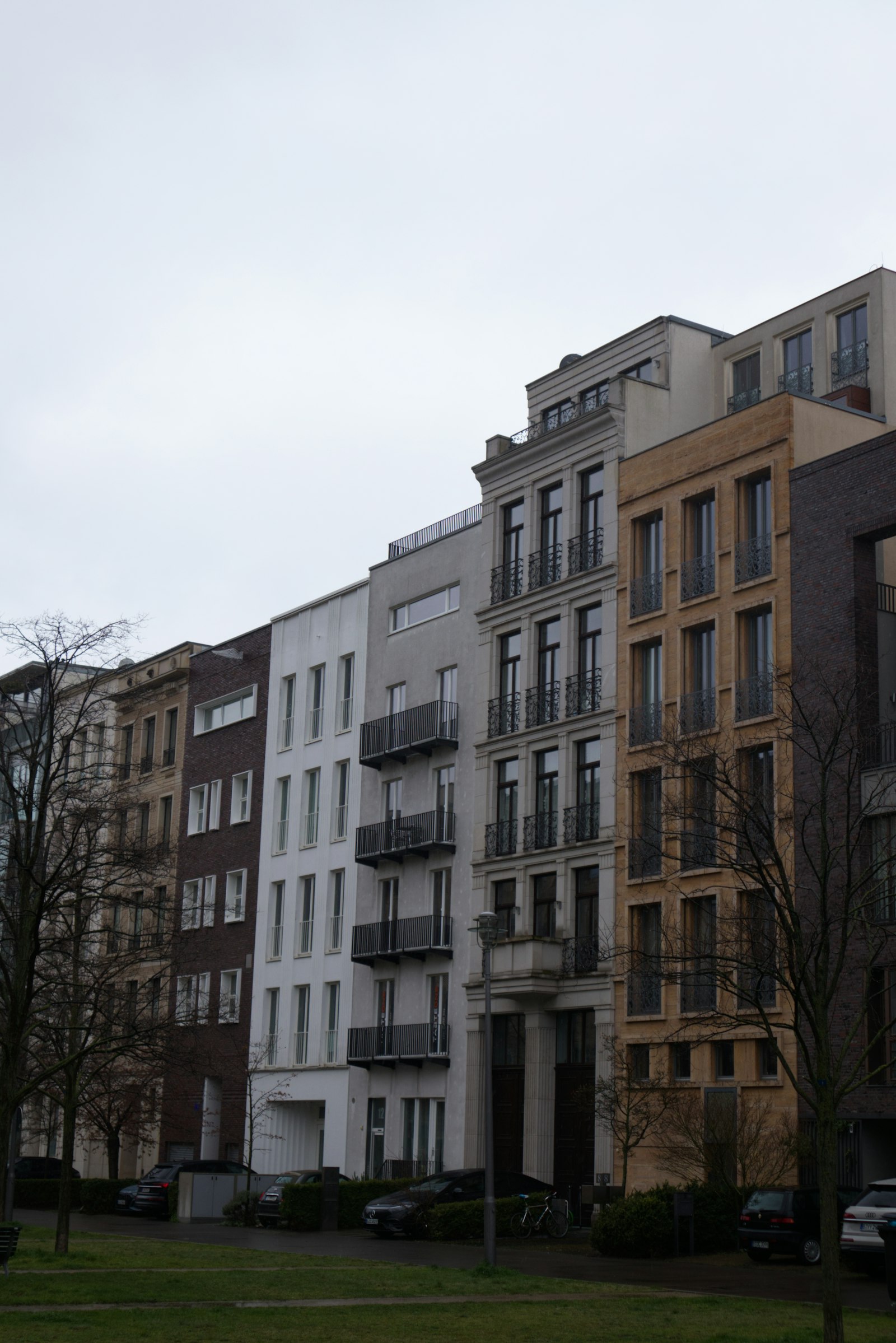
Berlin has long had a reputation as one of the more affordable major European capitals, though rent has risen substantially in recent years. Here’s a realistic 2026 budget.
Rent
Rent remains Berlin’s biggest relative advantage over Western European capitals like London or Paris, though it’s climbed significantly since the mid-2010s. A one-bedroom apartment in popular central districts like Prenzlauer Berg, Mitte, or Kreuzberg runs €1,000–1,500/month. Outer districts like Neukölln (increasingly popular itself), Wedding, or Lichtenberg bring costs down to €700–1,000. Germany’s rent control measures (Mietpreisbremse) offer some protection in theory, though enforcement and existing-tenant advantages mean new renters often pay closer to market rate regardless.
| Expense | Budget | Comfortable |
|---|---|---|
| Rent (1BR) | €700–950 | €1,200–1,600 |
| Groceries | €220 | €380 |
| Eating out | €150 | €400 |
| Transport | €63 | €63 |
| Utilities + Wifi | €120 | €160 |
| Total (monthly) | ~€1,255 | ~€2,605 |
Food
Berlin remains genuinely affordable for eating out compared to most Western European capitals — a döner (the unofficial city dish) runs €4–6, casual restaurant meals are €10–15, and even a nice sit-down dinner rarely exceeds €25–30 per person. Grocery costs are moderate, with discount chains like Aldi, Lidl, and Netto keeping staple costs low.
Transport
Berlin’s public transport (U-Bahn, S-Bahn, trams, buses) is extensive and well-integrated, with a monthly pass (Deutschlandticket) costing €63/month nationwide as of the January 2026 price increase (up from €49 previously) — genuinely excellent value covering nearly all public transport across Germany, not just Berlin.
Healthcare
Germany requires health insurance for all residents, either through the public system (gesetzliche Krankenversicherung, income-based premiums typically 14-15% of income split with employer, or a fixed rate for self-employed/freelancers) or private insurance for higher earners and some freelancers. Freelancers on the Freiberufler visa specifically need to budget €200–400/month for insurance depending on age and provider.
The Bottom Line
A single remote worker can live comfortably in Berlin for €1,400–1,900/month even in reasonably central areas — still one of the better value major Western European capitals, though the gap with cities like Lisbon has narrowed as Berlin rents have risen.
Frequently Asked Questions
How much has Berlin rent actually increased?
Substantially — many popular districts have seen rents roughly double over the past decade, driven by housing shortages and strong demand from both locals and international newcomers.
Is the Deutschlandticket really worth it?
Yes, even after the January 2026 price rise to €63/month it remains solid value, covering regional and local public transport nationwide, not just within Berlin.
One-Time Setup Costs
German rental deposits are typically capped at 3 months’ cold rent (Kaltmiete, rent excluding utilities) by law. Agency fees, when applicable, are usually paid by the landlord under German tenant-protection rules, unlike in some other countries — a genuine cost advantage for renters here.
Regional Cost Differences Within Berlin
Beyond central versus outer districts, note that former West Berlin areas (like parts of Charlottenburg) can be pricier and more traditionally “German,” while former East Berlin districts (Prenzlauer Berg, Friedrichshain, Neukölln) have generally driven the city’s more recent gentrification and rent growth.
Taxes
Germany’s income tax is progressive, up to 45% at the top bracket, plus a solidarity surcharge for higher earners. Freelancers also pay a trade tax (Gewerbesteuer) in some cases depending on profession classification — a genuinely complex area worth a German tax advisor (Steuerberater) for anyone freelancing long-term.
Saving Money Day-to-Day
- Discount supermarkets (Aldi, Lidl, Netto) keep grocery costs meaningfully lower than shopping exclusively at REWE or Edeka.
- The Deutschlandticket at €63/month covers regional and local transport nationwide, not just Berlin — genuinely strong value for frequent travelers within Germany.
- Pfand (bottle deposit) return machines at supermarkets offer small but real savings if you’re diligent about returning bottles.