
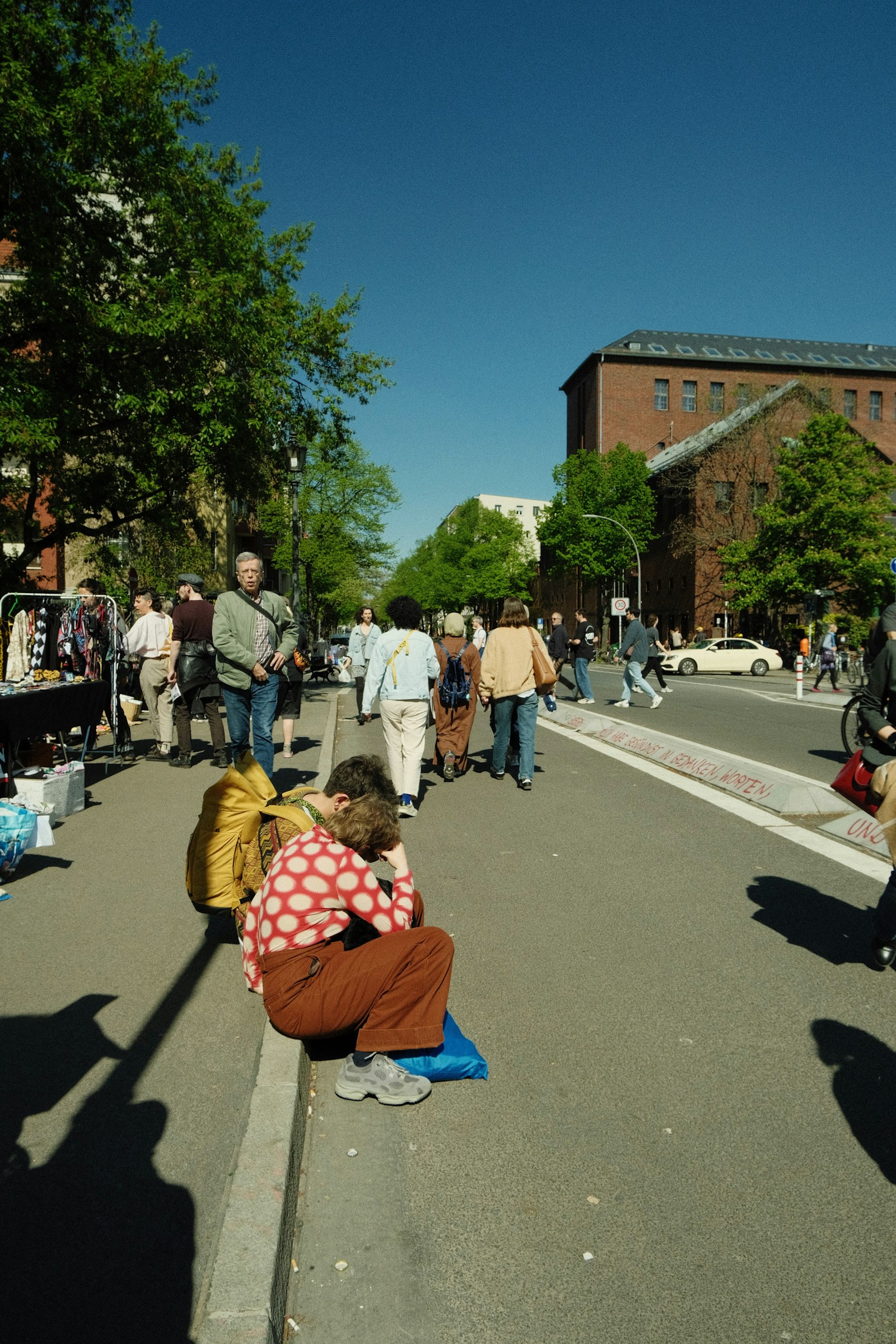
Berlin generally has a good safety reputation among major European capitals, though its size and diverse districts mean the experience varies more than in some smaller cities.
Overall Crime Rate
Violent crime against tourists and residents is rare in the districts most visitors and remote workers spend time in. Berlin does have a higher rate of certain property crimes (particularly bike theft and pickpocketing) than some other German cities, but violent crime remains low by international standards.
What to Actually Watch For
- Bike theft: genuinely common — always use a high-quality lock, ideally two, if you buy or rent a bike, which is a popular way to get around the city.
- Pickpocketing on public transport: particularly on crowded U-Bahn and S-Bahn lines and at major stations like Alexanderplatz — standard bag awareness applies.
- Certain nightlife areas late at night: parts of Alexanderplatz and some areas around major train stations can feel less comfortable late at night — nothing unusual for a major city, but worth being aware of.
- Fare-dodging fines: not a safety issue but a common tourist mistake — Berlin’s transport system runs on an honor system with occasional ticket checks, and fines for riding without a valid ticket are steep (€60+).
Solo Travelers and Women
Berlin is generally considered comfortable for solo female travelers, with well-used public transport running late into the night and busy, well-lit central districts. As with any major city, standard caution in quieter areas late at night is sensible.
Emergency Numbers
Police: 110. Ambulance/Fire: 112 (the standard EU-wide emergency number). English-speaking assistance is generally available given Berlin’s large international population.
The Bottom Line
Berlin’s real practical risks for visitors are bike and phone theft and transport fare fines, not violent crime. It remains a comfortable, well-functioning major European capital for both short visits and long-term living.
Frequently Asked Questions
Is Berlin safe to walk around at night?
Yes, most central and residential districts feel comfortable at night, with active nightlife and well-used public transport running late, though standard urban caution applies as anywhere.
Do I really need to always validate my transport ticket?
Yes — Berlin’s honor-system transport network does conduct spot checks, and fines for an invalid or missing ticket are steep and strictly enforced regardless of nationality or unfamiliarity with the system.
Scams to Be Aware Of
Beyond bike theft, watch for unofficial “ticket inspectors” who aren’t real BVG staff — legitimate inspectors carry official identification and generally work in visible pairs during spot checks.
Traffic and Pedestrian Safety
Berlin has extensive dedicated bike lanes, and pedestrians should watch specifically for cyclists when crossing, as bike traffic is heavy and fast-moving throughout the city, distinct from car traffic risk.
Health and Air Quality
Berlin has generally good air quality by major-city standards, and its extensive green spaces (Tiergarten, Tempelhofer Feld) are genuinely well-used and safe for exercise and recreation at most hours.
LGBTQ+ Travelers
Berlin has one of the largest and most historic LGBTQ+ communities in Europe, particularly centered around Schöneberg, with a large annual Pride celebration and a broadly progressive, welcoming culture citywide.
Demonstrations and Public Gatherings
Berlin sees frequent political demonstrations, which are generally peaceful but can cause transport disruptions — checking local news before major planned events is a sensible habit, more for logistics than personal safety.