
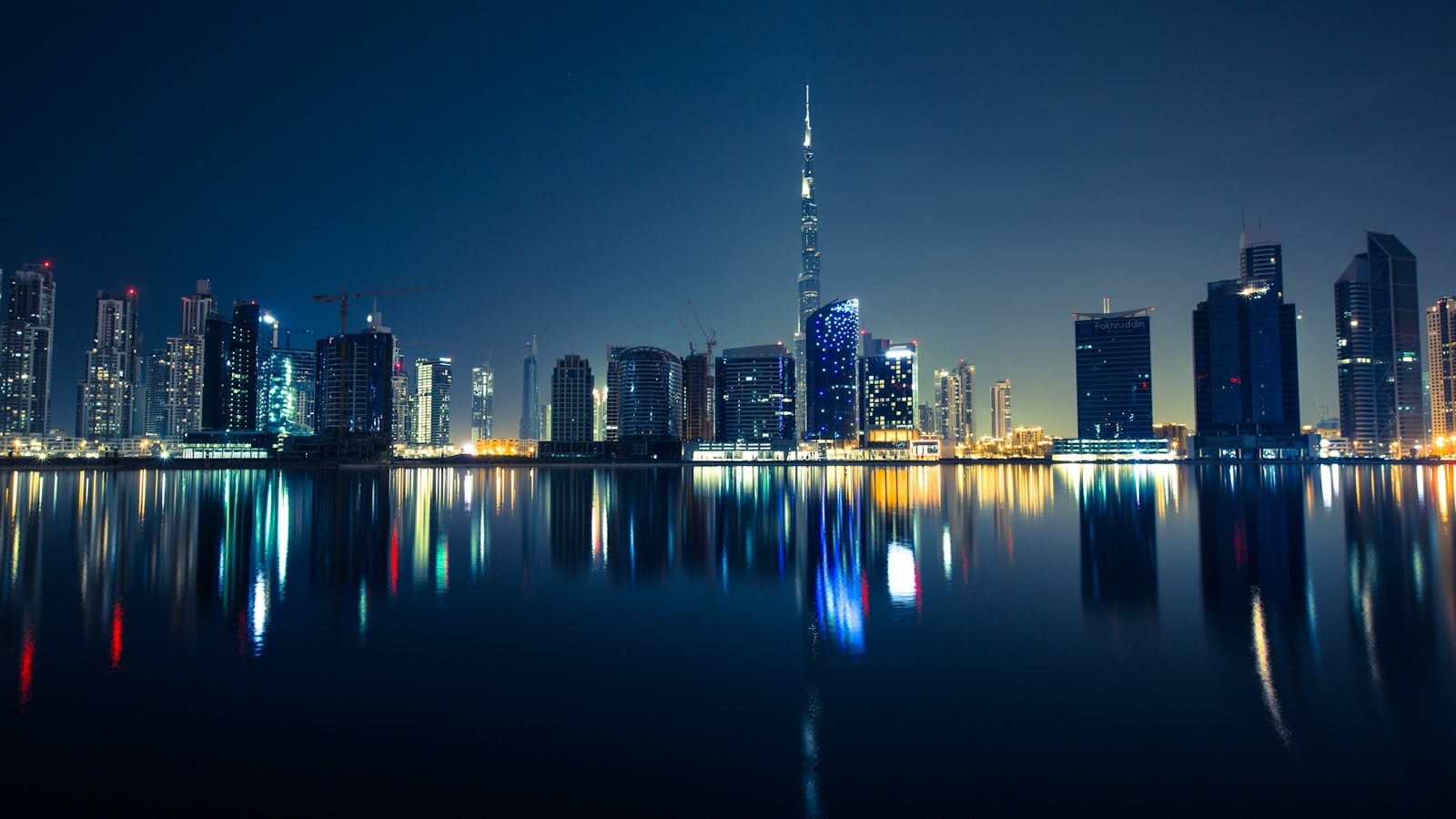
Dubai has invested heavily in courting remote workers and freelancers — visa routes built specifically for them, free zones that bundle office space with legal work status, and a genuinely wide coworking market ranging from budget hot-desks to polished business-club spaces. Here’s the real breakdown, named spaces and pricing included.
Nasab — Al Quoz / Downtown
Nasab is one of the best-known independent coworking brands in Dubai, built around a community-first, design-led approach rather than a corporate feel. Day passes run roughly AED 100-150, with monthly hot-desk memberships around AED 1,200-1,800 and dedicated desks higher. It’s popular with founders, creatives and freelancers who want a genuine community rather than just a desk, and regularly runs events and talks that are worth attending if you’re networking locally.
AstroLabs — DIFC
AstroLabs is positioned firmly at the startup and tech end of the market, based in DIFC with strong ties to company setup and free zone licensing services alongside the workspace itself — genuinely useful if you’re setting up a freelance permit or small business alongside finding a desk. Membership pricing is toward the premium end, roughly AED 1,500-2,500 monthly depending on desk type, reflecting the DIFC location and the added business-services layer.
WeWork — Multiple Locations
WeWork operates several Dubai locations including DIFC, Hub Zero (Dubai Internet City) and Downtown, offering the familiar global WeWork format — hot desks, dedicated desks, and private offices with consistent quality across locations. Hot-desk day passes run around AED 130-180, with monthly plans starting around AED 1,400 for flexible access and rising for dedicated desks and private offices. The advantage of WeWork specifically is consistency if you’re also a member in another city — access can sometimes extend across the global network depending on your plan.
Cove — Multiple Locations
Cove has expanded quickly across Dubai with a strong presence in Business Bay, JLT and Marina, positioning itself as a more affordable, no-frills alternative to the premium DIFC spaces — clean, functional desks with reliable wifi and good coffee, without the polish (or price) of the business-club-style venues. Monthly memberships often start under AED 1,000, making it one of the better value options if amenities matter less to you than a reliable desk and fast internet.
Free Zone Coworking
Several of Dubai’s free zones — Dubai Internet City, Dubai Media City, and dedicated freelancer-focused zones like Dubai World Trade Centre’s freelancer permit scheme — bundle coworking access with visa sponsorship. If you need legal work status as a freelancer rather than just a desk, this is often the more practical route: a single package that gets you a workspace and a residency visa together, rather than paying for coworking membership and a separate visa route. Costs vary widely by zone and permit type, generally running from a few thousand to over ten thousand AED annually once visa costs are included — worth comparing directly against a standalone coworking membership plus a separate freelance visa if you’re trying to minimise total cost.
Business Bay and DIFC — The Premium End
Beyond the specific brands above, Business Bay and DIFC broadly represent the premium end of Dubai’s coworking market — polished spaces aimed at finance, consulting and legal professionals, priced accordingly, with strong networking value if your work intersects with those industries. Expect to pay a genuine premium here versus JLT or Al Quoz for a broadly similar desk.
JLT and Marina — More Relaxed, Mixed-Use
JLT (Jumeirah Lakes Towers) and Dubai Marina host a more relaxed, mixed-use coworking scene popular with founders and digital nomads — often with better casual cafe-style areas alongside formal desks, and generally lower prices than DIFC for comparable space. If you want a coworking membership that doubles as a decent place to meet people casually rather than strictly network, this cluster is worth prioritising.
Cafes as a Backup
Many cafes in Downtown and Marina are laptop-friendly with decent wifi, though air conditioning and reliable power sockets vary noticeably from place to place — worth scouting a specific spot in person before committing to it as a regular workday base. See our Dubai cafes guide for named cafe recommendations if a coworking membership isn’t what you’re after.
Choosing the Right Coworking Setup
Match the space to your actual work pattern rather than defaulting to the best-known name. If you need a legal visa route alongside a desk, the free zone bundles are worth the extra research even though they’re more paperwork upfront than simply signing up for a coworking membership online. If you’re already legally set up and just need reliable desk space, day passes at two or three different spots in your first weeks — Nasab, Cove and a Marina or Jumeirah cafe, for instance — will tell you quickly which environment actually suits your work style before committing to a monthly membership.
Meeting Rooms and Day Passes
Most of the named spaces above offer bookable meeting rooms on top of standard desk access, generally charged hourly (roughly AED 100-250/hour depending on the space and room size) even for members, since dedicated meeting space is usually a limited resource. If you only need occasional access rather than a full membership, day passes are the more economical route — most spaces offer these at AED 100-180, and several also offer 5-day or 10-day flexible packs that work out cheaper per visit than paying full daily rate repeatedly, useful if you’re only in Dubai for a short work trip rather than settling in long-term.
Internet Reliability and Backup Options
Dubai’s internet infrastructure is generally excellent and fast across both coworking spaces and cafes, but it’s still worth having a backup — a local eSIM or SIM with a solid data allowance (see our Dubai SIM card guide) as a mobile hotspot fallback for video calls if a specific venue’s wifi has an off day. This matters more than it might elsewhere given how much of Dubai’s coworking scene skews toward client-facing, video-call-heavy consulting and finance work, where a dropped connection during a call is a genuine problem rather than a minor inconvenience.
A Typical First Week
If you’re new to Dubai and testing coworking options, a sensible approach is to buy day passes at two or three spots across different neighbourhoods in your first week rather than committing to a monthly membership immediately. Try one from the premium DIFC/Business Bay tier, one from the more relaxed JLT/Marina cluster, and Nasab or Cove specifically given their strong community reputations — the differences in atmosphere, noise level and clientele between these tiers are significant enough that a short trial genuinely changes which membership makes sense for your work style and budget. Most spaces are happy to convert a day pass fee toward a first month’s membership if you sign up shortly after, so little is lost by testing first.