
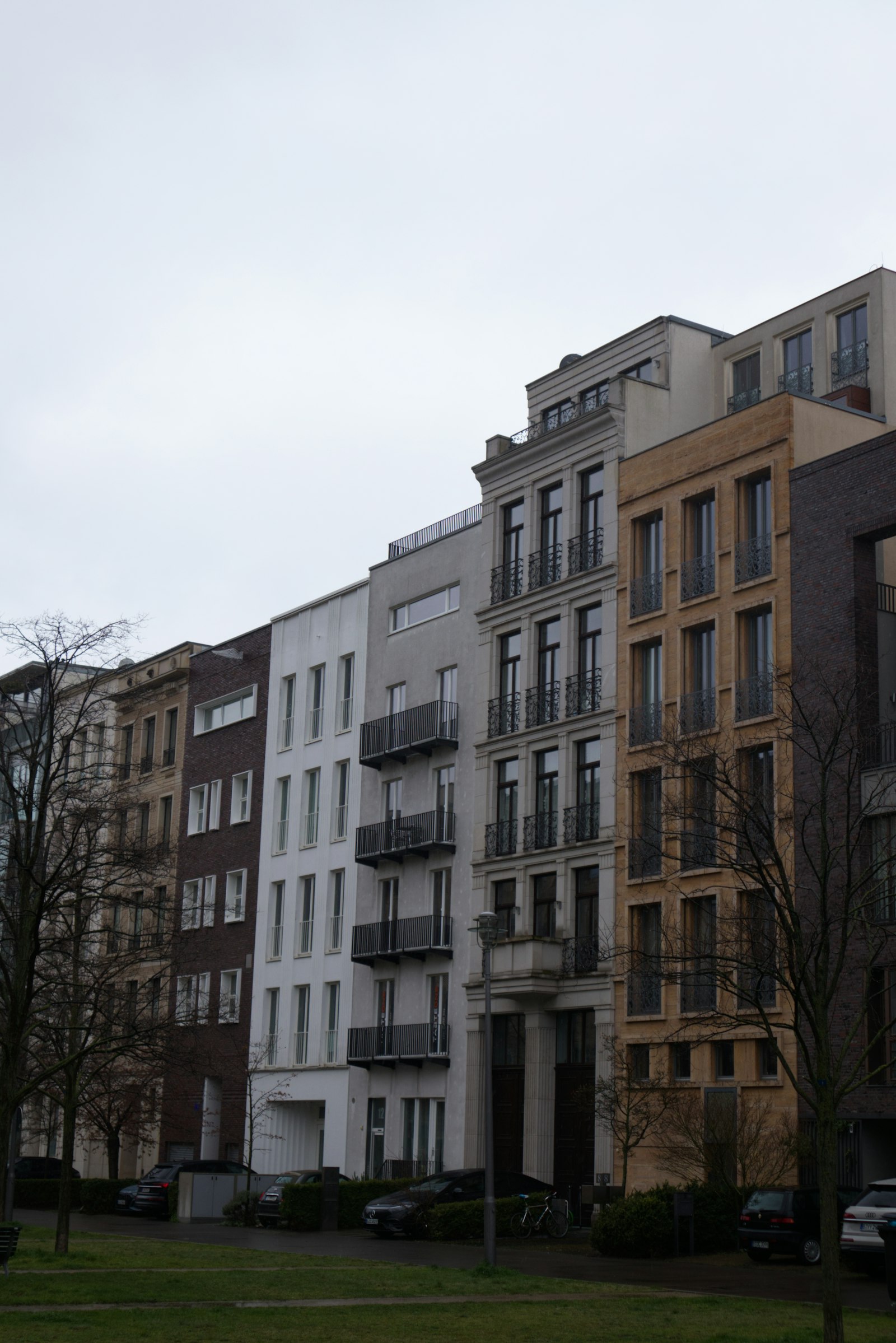
Berlin rewards people who stay. A weekend gives you the landmarks; a few months gives you the city that actually keeps people here — cheap studio space, a working week that ends on time, and a bureaucracy that will test your patience exactly once before it lets you get on with things. This guide covers what you need for a long stay: arriving and registering, finding a flat, getting connected, working, eating, and going out.
Arriving and the Anmeldung
One piece of paperwork shapes the order of everything else: the Anmeldung, your official address registration. Without it you cannot easily open a bank account, get a tax ID, or complete most visa processes. With it, the rest of the city opens up.
EU citizens can move freely with minimal paperwork. Non-EU citizens should confirm their visa route before arrival — the Freiberufler (freelance) permit and the EU Blue Card are the two main long-stay pathways, and most cannot be arranged from outside those specific routes.
The catch is circular: you need a signed rental contract to register, but many landlords are reluctant to register tenants, particularly on shorter leases. This is the single most common thing that traps newcomers. Many people deliberately start with a registered furnished apartment — agencies like Wunderflats specialise in exactly this — precisely because it comes with a valid Anmeldung attached.
Once you have a contract, register at your local Bürgeramt (citizens’ office). Appointments are notoriously scarce; check the booking system early and often, and be willing to take a slot in a district across town rather than waiting weeks for your local one.
Where to stay
Berlin’s districts have genuinely distinct characters, and picking the wrong one for your situation is the main reason people end up moving after six months.
Kreuzberg is the classic choice — dense, loud, green along the canal, and still the centre of the city’s creative and nightlife gravity. Neukölln next door is younger and cheaper the further south you go. Prenzlauer Berg is calmer, leafier and noticeably more family-oriented, with prices to match. Mitte is central and convenient but the least characterful place to actually live. Friedrichshain splits the difference between Kreuzberg’s energy and somewhere you can reliably sleep.
The housing market is genuinely tight. Expect competition for every listing, bring complete documentation to viewings, and treat a furnished short-term flat as a reasonable landing pad rather than a failure.
Getting connected
Prepaid SIMs are straightforward and cheap by Western European standards. The main networks are Telekom, Vodafone and O2, with discount providers such as Aldi Talk and Lidl Connect running on those same networks at lower prices. Registration requires ID verification, done either in-store or via a video call.
Coverage across the city is reliable. If you are working remotely and depend on connectivity, note that Germany’s mobile coverage outside major cities is weaker than you might expect — relevant if you plan weekend trips into Brandenburg.
Working from Berlin
Berlin has one of the longest-established coworking scenes in Europe, a legacy of decades as a freelancer and creative hub.
Betahaus in Kreuzberg is one of the originals and still among the most recognised, with a strong startup and creative community. St. Oberholz began as a cafe and became an institution, now offering both informal cafe seating and dedicated memberships — a genuinely Berlin story. Mindspace runs several well-designed locations as part of a wider European network. WeWork covers Mitte and Kreuzberg for anyone wanting the familiar global format.
Day passes typically run €15–25, with monthly memberships from €150–250 — solid value relative to London or Paris. Cafe working is widely tolerated but varies by venue; buy something, and do not expect every place to have reliable power outlets.
Healthcare
Health insurance is not optional in Germany — it is a legal requirement, and you will need proof of coverage for most visa and residency processes. The system splits between statutory public insurance (gesetzliche Krankenversicherung) and private insurance, with eligibility depending on your employment status and income.
Freelancers face the most complexity here and should get proper advice rather than guessing; the choice between public and private is difficult to reverse later. Berlin has a high concentration of English-speaking doctors relative to the rest of Germany, though you will still want a translation app for pharmacy visits. For non-emergencies, book with a Hausarzt (GP) rather than presenting at a hospital.
Eating and drinking
Berlin’s food scene runs on immigration and low rents. Turkish and Middle Eastern food is woven into daily life — the döner is genuinely a Berlin institution, not a tourist item. Vietnamese food is excellent and everywhere, a legacy of East German guest-worker history. Vegan options are among the best in Europe, and not confined to dedicated restaurants.
Eating out is cheap relative to other Western European capitals. The Spätkauf — the corner shop open long past when it reasonably should be — is a genuine part of the city’s social fabric rather than just a convenience.
Nightlife
Berlin’s reputation here is earned, and it works differently from most cities. Clubs open late and stay open — a night out can legitimately extend well into the following afternoon. Door policies are selective and unpredictable; there is no dress code to decode, and being turned away is common and not personal.
Phone cameras are frequently prohibited inside venues, and this is enforced. The broader point is that the culture prizes being present over documenting, which is a large part of why the scene has survived as long as it has.
Beyond clubs, the city’s bar culture is unhurried and cheap, beer gardens fill every warm evening, and the parks — Tempelhofer Feld above all — function as informal social spaces from spring through autumn.
The bottom line
Berlin is more affordable than London, Paris or Amsterdam, with a slower pace and a stronger freelance culture than any of them. The trade-offs are real: a tight housing market, a bureaucracy that assumes you speak German, and winters that are long and grey. People who thrive here tend to be the ones who sort the Anmeldung early, pick their district deliberately, and accept that the first three months involve more paperwork than fun.