
The quick version: Skip Tegallalang and Besakih (crowds and scams); do Jatiluwih rice terraces, Uluwatu temple + Kecak dance at sunset, and Tirta Empul instead. Diving/snorkelling at Nusa Penida and Amed are world-class. Surf in Canggu for the best all-round experience. Budget 10 days minimum to avoid spending the whole trip in traffic.
Introduction: Is Bali Still Worth It in 2026?
Yes — but it depends entirely on what you’re after and how you approach it. Bali has been on the tourist radar for decades, and that brings predictable problems: overcrowded temples, overpriced restaurants targeting foreigners, and a scooter-to-rice-field ratio that would alarm any urban planner. But get past the surface layer and there’s still a genuinely extraordinary island here — one of the most culturally rich, visually dramatic, and logistically convenient places in Southeast Asia.
This guide is an honest breakdown of what’s actually worth your time, what you can skip, and how to get more out of Bali than the average tourist manages. Every activity gets a Skip It / Do It verdict.
Temples: Which Ones Are Worth It
Tanah Lot — Do It (with caveats)
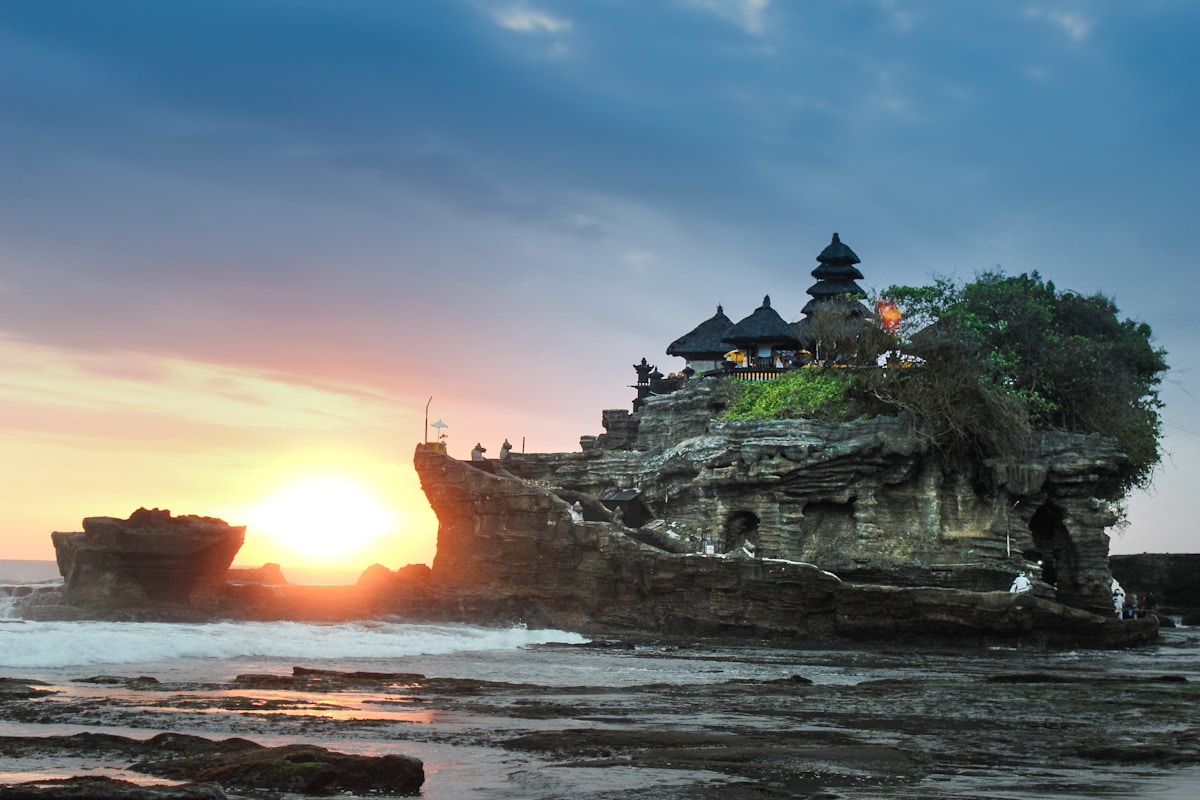
Bali’s most photographed temple, perched on a rock formation just offshore and surrounded by ocean at high tide. Legitimately dramatic at sunset, but extremely busy, and the area around it has become a sprawling commercial zone. The temple itself is only accessible at low tide and non-Hindus can’t enter.
Verdict: Do It — arrive 90 minutes before sunset, walk the clifftop paths beyond the main temple complex (far fewer people), and accept that it’s a tourist experience. It’s a good one. Don’t bother at midday.
Uluwatu — Do It
Uluwatu temple sits on a dramatic 70-metre cliff on Bali’s Bukit Peninsula. Spectacular views over the Indian Ocean, and the nightly Kecak fire dance performance in the amphitheatre beside the temple is one of the best cultural experiences on the island. Watch your belongings — the resident monkeys will steal sunglasses, phones, and anything else they can grab.
Verdict: Do It — combine with sunset, stay for the Kecak dance (book ahead in high season).
Besakih — Skip It (for most people)
Bali’s “mother temple” on the slopes of Mount Agung is the largest and most important temple complex on the island — and also the site of some of Bali’s most persistent tourist scams: unofficial “guides” who insist you must hire them (you don’t), demands for temple sarongs you didn’t ask for, and aggressive requests for donations.
Verdict: Skip It unless you’re deeply interested in Balinese Hinduism and willing to do your research beforehand. If you go, hire an official licensed guide in advance and ignore everyone who approaches you.
Tirta Empul — Do It
The holy spring temple near Tampaksiring is one of Bali’s most spiritually significant sites. Balinese Hindus come here to purify themselves in the spring-fed pools, and visitors can participate in the purification ritual (melukat) with appropriate clothing and respect.
Verdict: Do It — arrive early (open from 9am), wear a sarong (available to rent), and be respectful.
Pura Luhur Batukaru — Do It (hidden gem)
Most tourists never make it here. Batukaru sits in the rainforest on Bali’s second-highest volcano, often shrouded in mist. Serene, uncrowded — no aggressive vendors, no photo queues.
Verdict: Do It — pair with a visit to the Jatiluwih rice terraces (better than Tegallalang, 45 minutes away).
Rice Terraces
Tegallalang — Skip It (usually)
Ubud’s most famous, most instagrammed rice terrace. Crowded with swing operators, vendors, and other tourists photographing all of the above. The terraces are beautiful — the experience around them isn’t.
Verdict: Skip It if you care about the actual landscape. Do It if you’re content with a busy, commercial, but undeniably photogenic stop, ideally at dawn.
Jatiluwih — Do It
UNESCO-listed Jatiluwih is everything Tegallalang promises to be: sweeping terraces across a vast hillside, working rice paddies, minimal crowds, and genuine agricultural scenery. About 1.5 hours from Ubud but completely worth it.
Verdict: Do It — the definitive rice terrace experience in Bali. Combine with Batukaru temple.
Water Activities
| Spot | Level | Notes |
|---|---|---|
| Kuta Beach | Beginner | Consistent small waves, cheap lessons, very crowded |
| Canggu (Echo Beach, Batu Bolong) | Mid | Great atmosphere, best all-rounder |
| Uluwatu (Padang Padang, Bingin) | Advanced | World-famous reef breaks, not for beginners |
Verdict: Do It — surfing is one of Bali’s great genuine pleasures. Even non-surfers should try a beginner lesson in Canggu.
Snorkelling — Amed
Bali’s best accessible snorkelling. The USS Liberty shipwreck (near Tulamben, 20 minutes from Amed) is shallow enough to snorkel over and completely incredible. Amed’s beach-front snorkelling around the local fishing boats reveals colourful coral and abundant fish life without needing a boat.
Verdict: Do It — a 2-hour drive from Ubud or Canggu but worth staying a night or two rather than doing it as a day trip.
Diving — Nusa Penida
Home to some of Indonesia’s best dive sites, including Manta Point (seasonal manta ray aggregation) and Crystal Bay (mola mola sightings July–October). Visibility is excellent, currents can be strong — not beginners-only diving.
Verdict: Do It — one of Bali’s genuinely world-class experiences. Book with a reputable PADI dive centre.
Cultural Experiences
Cooking Classes — Do It
Full-day market-to-table experiences to shorter hotel-run sessions. The best are in Ubud, including base genep (Balinese spice paste), lawar, and ceremonial babi guling. Expect $35–65 USD for a quality half-day class.
Verdict: Do It — prioritise classes that include the market visit.
Traditional Dance — Do It
The Kecak fire dance at Uluwatu is the most accessible and genuinely spectacular. Legong and Barong dances are performed nightly around Ubud — quality varies, so ask accommodation staff which performance is currently best.
Verdict: Do It — Kecak at Uluwatu is unmissable.
Silver and Wood Carving Workshops — Do It (selectively)
Celuk village (silver), Mas (wood carving), and Batuan (painting) each have specialist craft traditions. Quality varies enormously — avoid shops set up to funnel tour groups, look for smaller family workshops.
Verdict: Do It — with research. Read reviews before booking.
Day Trips and Multi-Day Excursions
Nusa Islands — Do It
Nusa Penida, Nusa Lembongan, and Nusa Ceningan form an island chain accessible by fast boat from Sanur (25–45 minutes). Nusa Penida has Kelingking Beach (the T-Rex cliff viewpoint), Angel’s Billabong, Broken Beach, and Crystal Bay. Nusa Lembongan is smaller and mellower — good for snorkelling and a relaxed pace.
Verdict: Do It — Kelingking Beach is one of the most dramatic landscapes in Indonesia. Stay overnight rather than a rushed day trip.
Mount Batur Sunrise Trek — Do It (for the right person)
The 4am guided sunrise trek up this active volcano is a Bali classic. The hike takes 2–3 hours up, sunrise from the crater rim is frequently spectacular, and you can cook eggs in volcanic steam vents at the top.
Verdict: Do It — if physically up for it. Go with a reputable guide. Book accommodation nearby — driving from Seminyak or Canggu at 2am is brutal.
Family Activities
- Bali Zoo (Gianyar) — well-maintained, genuine wildlife including Sumatran tigers and orangutans
- Waterbom Bali (Kuta) — Asia’s highest-rated waterpark, consistently well-run
- Sacred Monkey Forest Sanctuary (Ubud) — atmospheric forest with ~700 long-tailed macaques; keep phones and food secured
- Elephant Safari Park (Taro) — controversial; improved welfare standards but ethical elephant tourism remains complex — research before you go
- Bali Treetop Adventure Park (Bedugul) — good for older children, rope courses through forest canopy near a lake
Nightlife
Seminyak and Kuta have the densest concentration of clubs, beach bars, and night venues. Potato Head Beach Club in Seminyak is the iconic spot — expensive by Bali standards but worth one visit. Canggu has a younger, more relaxed nightlife scene centred on beach bars like Finn’s and The Lawn — less bottle-service, more sunset beers and live music. Ubud closes early — if you’re based there and want proper nightlife, you need to travel.
Off the Beaten Path
Sidemen Valley
East Bali’s Sidemen Valley is one of the island’s most beautiful and least visited areas: rice terraces, traditional villages, Mount Agung as a backdrop, and almost no tourist infrastructure. Exceptional cycling and walking country.
North Bali (Lovina, Munduk)
A completely different Bali — fishing towns, dolphin watching (sunrise boat trips from Lovina), waterfalls (Gitgit, Sekumpul), and the Bedugul highland lakes. Far fewer tourists than the south.
Penglipuran Village
One of Bali’s most intact traditional villages, with uniform bamboo architecture and a well-preserved layout. Pleasant half-day visit, genuine community rather than a staged tourist attraction.
The Skip It / Do It Master List
| Activity | Verdict | Note |
|---|---|---|
| Tanah Lot temple | Do It | Sunset only, arrive early |
| Uluwatu temple + Kecak | Do It | Best cultural evening on the island |
| Besakih temple | Skip It | Scam-heavy, mostly closed to visitors |
| Tirta Empul | Do It | Participate, don’t just photograph |
| Pura Luhur Batukaru | Do It | Hidden gem, pair with Jatiluwih |
| Tegallalang terraces | Skip It | Overcrowded; go to Jatiluwih instead |
| Jatiluwih terraces | Do It | UNESCO, fewer crowds, better scenery |
| Surfing (Canggu) | Do It | Best for all levels |
| Snorkelling (Amed) | Do It | Worth staying overnight |
| Diving (Nusa Penida) | Do It | World-class, manta rays at Manta Point |
| Cooking class | Do It | Include market visit |
| Kecak dance | Do It | Unmissable at Uluwatu |
| Nusa Penida day trip | Do It | Stay overnight if possible |
| Mount Batur sunrise trek | Do It | For those with fitness + early alarm |
| Monkey Forest Ubud | Do It | Secure your belongings |
| Potato Head Beach Club | Do It | One visit; expensive but iconic |
| Sidemen Valley | Do It | Underrated gem |
Practical Tips
- Getting around: Scooters are how Bali moves. If you’re not comfortable riding one, use Grab. See our Bali visa guide for entry requirements before you travel.
- Best base: Canggu for surf/café culture; Ubud for culture and nature; Seminyak for restaurants and nightlife; Uluwatu for beaches and surf. See our full breakdown in the Bali neighbourhoods guide.
- Where to stay: Read our guide to where to stay in Bali for area-by-area recommendations across all budgets.
- Timing: April–October (dry season) is easiest. November–March brings afternoon rain but lower prices and fewer crowds.
Cover yourself while you’re out exploring
SafetyWing Nomad Insurance covers activities like diving, surfing, and trekking (check your plan’s specific terms) — worth having before you hike Batur or dive Nusa Penida.
Frequently Asked Questions
What are the most popular things to do in Bali?
The most visited activities are the sunset temples (Tanah Lot and Uluwatu), the Tegallalang rice terraces, surfing in Kuta and Canggu, the Sacred Monkey Forest in Ubud, and day trips to the Nusa Islands. Of these, Uluwatu, the Nusa Islands, and surfing in Canggu offer the best experiences relative to tourist density.
What’s the best thing to do in Bali for first-timers?
Watch the Kecak fire dance at Uluwatu temple at sunset. It combines Bali’s best landscape, its most authentic performing arts tradition, and an extraordinary atmosphere in one two-hour experience.
Is Bali worth visiting in 2026?
Yes, but with realistic expectations. Bali is busy and some areas are significantly overdeveloped, but the island’s natural beauty, cultural depth, food scene, and surf remain exceptional. The key is getting out of the most congested tourist corridors.
How many days do you need in Bali?
Ten days minimum to do it justice without rushing. Seven days works if you pick one region and stay put. Anything under five days and you’re mostly stuck in traffic and recovering from jet lag.
What should I avoid in Bali?
Skip Besakih temple unless prepared for persistent vendors and scams. Avoid restaurants with menus in twelve languages and photos of everything — the warung next door will be better and a quarter of the price. Don’t try to see all of Bali in a week.