Bottom line: Hong Kong is a world-class city with exceptional infrastructure and internet — genuinely great to work from. The honest complications are: no dedicated nomad visa, the political environment (address below), and high cost. Best suited to those with a specific reason to be here — finance connections, China access, family — rather than those simply optimising for the best nomad base in Asia.
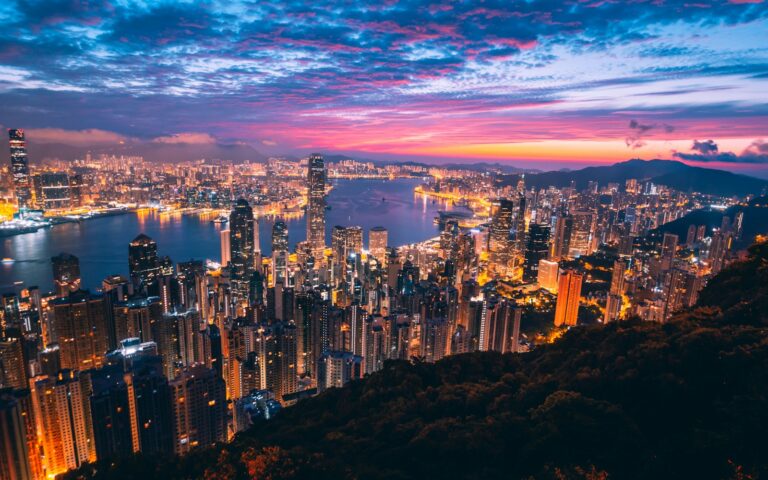
Hong Kong was one of Asia’s great cities for international business and expatriate life for decades. It retains much of what made it exceptional — world-class infrastructure, extraordinary food, a deep professional network, and internet speeds that are among the fastest in the world. The political context has changed since 2020; addressing this honestly is more useful than glossing over it.
In This Guide
Why Hong Kong Still Appeals
Finance ecosystem: If your work touches financial services, asset management, private equity, or Greater China deal flow, Hong Kong remains the premier hub. The depth of financial infrastructure — lawyers, accountants, bankers, regulators — is unmatched in the region except possibly Singapore.
Gateway to China: Hong Kong’s unique position gives easier access to mainland China than any other international location — shared legal frameworks, direct flights, and cultural familiarity. For businesses with China exposure, this is genuinely valuable.
Internet and infrastructure: Hong Kong’s internet is among the fastest in the world — 1Gbps fibre for HK$150–250/month is standard. The city infrastructure is efficient, reliable, and well-maintained. Power outages are rare. The MTR runs on time.
Food and culture: Cantonese cuisine in Hong Kong is at a different level from anywhere else in the world. Dim sum, wonton noodles, char siu, roast goose — the food culture alone makes Hong Kong worth months of attention.
The Political Context — Factual Summary
Since the National Security Law was enacted in June 2020, Hong Kong’s political landscape has changed materially. Civil liberties have been curtailed, political opposition has been largely disbanded, and a significant number of residents have emigrated — primarily to the UK (through BN(O) visa), Canada, and Australia. Freedom of expression, freedom of the press, and academic freedom have declined by multiple international measurements.
What this means practically for visitors and nomads: daily life for most foreigners in 2026 is operationally similar to before 2020. Cafes, coworking spaces, restaurants, and streets function normally. VPNs are widely used without apparent enforcement against individuals. The main practical concern is the broadly defined nature of the NSL — some content or activities that were unremarkable before 2020 carry more legal ambiguity now. Foreign nationals have been charged under the NSL in limited but documented cases. Assess your risk profile accordingly.
Visa Options
Hong Kong’s immigration operates independently of mainland China. Most Western passport holders receive 90 days visa-free entry — no application required. Options for longer stays:
- Extension of visitor visa: Apply at the Immigration Department. Extensions of 30–60 days occasionally granted for legitimate reasons. Not reliable for extended nomad stays.
- IANG (Immigration Arrangements for Non-Local Graduates): For recent graduates of Hong Kong’s universities or a list of designated overseas universities (Oxford, Cambridge, MIT, etc.) — 24 months, allows work.
- Top Talent Pass Scheme (TTPS): Annual salary HK$2.5 million+ in the preceding year, OR graduate of a top-100 university within 5 years. 2-year entry permit. No job offer required for the salary category.
- Quality Migrant Admission Scheme (QMAS): Points-based, competitive annual quota. Achievement, professional, age, language, and family factors scored. Backlog exists.
- Employment Visa: Must have a specific job offer from a Hong Kong employer. Employer applies. Standard professional route.
Best Coworking Spaces
| Coworking Space | Locations | Price |
|---|---|---|
| The Hive | Wan Chai, Kennedy Town, Sheung Wan | Hot desk from HK$350/day, monthly from HK$3,500 |
| Campfire | Multiple, CBD and Kowloon | Hot desk from HK$250/day |
| Garage Society | Central | Monthly from HK$4,500 |
The Hive — Wan Chai, Kennedy Town, Sheung Wan
The Hive operates several Hong Kong locations — among the best coworking spaces in the city. Good design, strong internet, community events. Hot desk from HK$350/day, monthly from HK$3,500.
Campfire — Multiple Locations
A large Hong Kong coworking network across the CBD and Kowloon. Hot desk options from HK$250/day. Good for flexible short-term working without full membership commitment.
Garage Society — Central
Design-forward boutique coworking in Central. Popular with creative professionals and younger companies. More expensive than The Hive but well-regarded for the community. Monthly from HK$4,500.
Internet
Exceptional. Hong Kong regularly ranks #1–3 globally for internet speed. 1Gbps home fibre: HK$150–250/month. Fixed broadband speeds average 240Mbps+. Cafe wifi quality is generally high. Mobile data: HK$100–200/month for unlimited 5G plans. You will not have internet issues working in Hong Kong.
Healthcare
Strong, with both public and private options. SafetyWing Nomad Insurance covers Hong Kong and is practical for short to medium stays. Long-term residents typically move to local private health insurance (Blue Cross, Cigna HK, Bupa HK) which provides better long-term value for ongoing care.
Longer-Stay Accommodation in Hong Kong
Search Hong Kong serviced apartments on Booking.com — monthly rates on furnished apartments in Wan Chai and Sai Ying Pun offer better value than hotel rooms for stays over 2 weeks. The Kennedy Town and Sai Ying Pun corridor has the best combination of neighbourhood quality and relative affordability.
Frequently Asked Questions
Is there a digital nomad visa for Hong Kong?
No dedicated nomad visa exists. Most nomads rely on the 90-day visa-free allowance, IANG (recent graduates), or the Top Talent Pass Scheme for longer stays.
Is Hong Kong still a good base for remote work in 2026?
Yes for infrastructure, food, and finance/China connections — internet is world-class and daily life is operationally normal. It’s best suited to those with a specific reason to be there rather than nomads simply seeking the best all-round Asia base.
How fast is the internet?
Among the fastest in the world — 1Gbps home fibre for HK$150–250/month, average fixed broadband speeds over 240Mbps.
What’s the best coworking option for short stays?
Campfire offers the most flexible hot-desk pricing from HK$250/day without a full membership commitment.
• Cost of living in Hong Kong
• Where to stay in Hong Kong
• Hong Kong visa guide
• Bali digital nomad guide
• Singapore digital nomad guide