
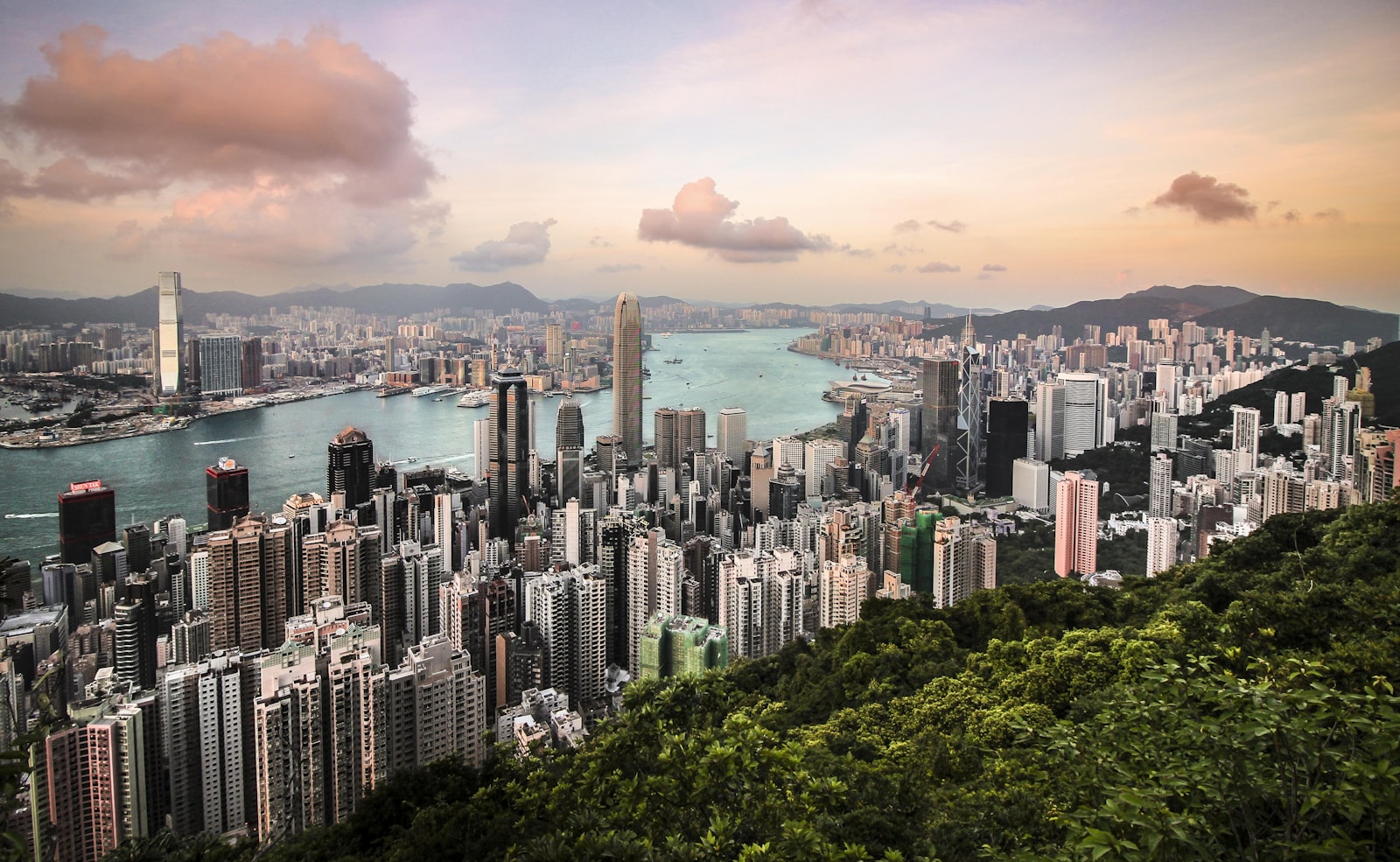
Hong Kong is, in pure crime terms, one of the safest cities on earth — you can ride the MTR at midnight, walk almost any neighbourhood alone, and leave a laptop on a cafe table with little worry. That part of the city’s reputation is rock solid and getting better, not worse. What has genuinely changed since 2020 is the legal and political environment: a series of national security laws has expanded the authorities’ powers and narrowed the space for political expression, and major Western governments now advise travellers to exercise increased caution. This guide treats both realities honestly and neutrally. For the overwhelming majority of expats and visitors, day-to-day life in Hong Kong is calm, easy and secure; the things to be aware of are specific and avoidable, and we lay them out plainly below.
Overall Safety
By the numbers, Hong Kong’s traditional crime rate is among the lowest of any major world city, and it is still falling — total recorded crime dropped almost 6% in the latest year, with violent crime down around 16%. Homicides, armed robbery and violent assaults against visitors are statistically microscopic. The city is dense, well-lit, heavily policed and threaded with CCTV and reliable public transport, all of which makes street crime rare. Most residents and travellers move around at any hour without a second thought, and solo travellers consistently rate it as one of the most relaxed cities anywhere for personal security. In short: your physical safety from crime here is excellent. The considerations in this guide are about law, scams, vaping rules and health — not about any real threat of violence.
Crime & Petty Theft
Petty crime exists but is low and falling — reported pickpocketing now runs to a few hundred cases a year across the whole city. Where it happens, it clusters in crowded tourist zones (Tsim Sha Tsui, Mong Kok, Causeway Bay), packed MTR cars at rush hour, and busy markets. The standard precautions are more than enough: keep your phone and wallet secure in crowds, watch your bag on public transport, and be a little extra careful at hotel check-in and in tourist throngs. Bag-snatching and theft from cars are rare. There is no need for the heightened street-awareness you might use in parts of Europe or the Americas — Hong Kong simply does not have the same opportunistic-crime problem. Common sense covers it entirely; nothing about ordinary movement around the city requires special caution.
Political & Legal Environment
This is the part that has genuinely changed, and it deserves a clear, neutral account. Since 2020, Hong Kong has enacted national security legislation — the National Security Law and, in 2024, the domestic Article 23 ordinance — that gives authorities broad powers to detain, search and investigate conduct deemed to threaten national security, with definitions that are wide and, in the view of foreign governments, open to expansive interpretation. Practically, this means political activity, protest, and public criticism of the authorities carry real legal risk that did not exist a decade ago. A specific point for travellers: it is now an offence to refuse police access to your electronic devices and passwords. The US rates Hong Kong “Level 2: exercise increased caution,” with the UK, Canada and Australia issuing similar advice, all citing the risk of arbitrary enforcement.
For an ordinary visitor or working expat, none of this affects daily life — you can live, work, eat and travel here entirely normally, and most people do without ever brushing up against these laws. The sensible posture is simply to stay out of political activity, avoid participating in protests, and be mindful that online posts made anywhere can fall within the laws’ scope. This is not a reason to avoid Hong Kong; it is a reason to be informed. Keep your engagement with the city social, professional and cultural, and the security framework will remain background noise rather than a personal concern.
Protests & Civil Unrest
The large-scale protests that defined Hong Kong in 2019 have not recurred. Following the national security legislation, public demonstrations have effectively ceased, and the city has been calm and stable for several years, with no civil unrest affecting visitors. Practically, this means you are extremely unlikely to encounter any disruption — the street confrontations and transport shutdowns of that era are not part of the current picture. The flip side of that stability is the legal environment described above: the absence of unrest reflects the new constraints on public assembly. For a traveller, the takeaway is straightforward and reassuring on a safety level — there is no ongoing turmoil to plan around — while the underlying political situation is simply something to be aware of rather than to fear. Day-to-day Hong Kong is orderly and quiet.
Women Travelling Alone
Hong Kong is widely considered one of the best and safest cities in the world for solo female travellers. Walking alone after dark in populated areas, riding the MTR late, and taking taxis are all routinely comfortable, and street harassment is uncommon and socially frowned upon. The dense, busy, well-policed urban fabric means you are rarely truly isolated, and the excellent late-running public transport removes a lot of the risk that comes with getting home elsewhere. Normal sensible precautions still apply — keep someone aware of your plans on a big night out, use licensed taxis or ride apps, and watch your drink in bars as anywhere. But the baseline is very high: women consistently report feeling at ease here in a way they do not in many comparable global cities, day or night.
LGBTQ+ Travellers
Hong Kong is one of the more open and welcoming destinations in the region for LGBTQ+ travellers. Same-sex sexual activity has been legal since 1991, the city has a visible and active scene — the bars and venues of SoHo on Hong Kong Island are the densest cluster — and an annual Pride. Socially, attitudes are relatively liberal and the practical risk to LGBTQ+ visitors is low; same-sex couples generally encounter no problems day to day. The caveats are legal rather than social: same-sex marriage and civil partnership are not yet recognised, though a 2023 Court of Final Appeal ruling ordered the government to build a framework for recognising same-sex relationships, and progress is incremental. There is also still no anti-discrimination law covering sexual orientation. Overall, though, Hong Kong is comfortable, safe and easy for LGBTQ+ travellers by regional standards.
Scams to Watch
Hong Kong’s scams target your wallet, not your safety. The classic is the electronics and camera shops of Tsim Sha Tsui’s “Golden Mile,” where unscrupulous operators advertise low prices then pressure-sell, bait-and-switch, or add hidden fees — buy electronics from reputable chains like Fortress or Broadway instead. Watch for the “tea ceremony” and “art student” approaches that lead to overpriced purchases, and fake monks or charity collectors soliciting donations near tourist sites. With taxis, insist on the meter and favour the red urban cabs; most drivers are honest, but overcharging of tourists happens. Online and romance scams are a growing issue, as everywhere. None of this is unique to Hong Kong, and none involves any threat to your person — it is purely about keeping a sceptical eye on transactions in the busiest tourist districts.
Prohibited Items: Vapes & CBD
Two specific bans catch visitors out and carry serious penalties, so they are worth stating plainly. E-cigarettes and vapes are illegal to import, sell or manufacture in Hong Kong, and from 30 April 2026 it also becomes illegal to possess them in a public place — bringing a vape into the city can mean fines up to HK$500,000 and a prison term, so simply do not pack one. CBD has been classified as a dangerous drug since 2023, in the same legal category as heroin and cocaine; CBD oils, gummies and skincare that are legal at home are banned here, with severe penalties. Check your toiletries and supplements before you fly. These are the rules most likely to turn an ordinary traveller into an accidental offender, and both are entirely avoidable with a quick bag check before departure.
Natural Hazards: Typhoon Season
Hong Kong’s typhoon season runs roughly May to November, peaking July through September, when the Hong Kong Observatory issues numbered signals (T1 through T10) as storms approach. At Signal 8 or above, the whole city effectively shuts down: schools close, most offices send staff home, and public transport (including the MTR, though it usually keeps running longer than buses and ferries) scales back. The system is calm and well-drilled — locals treat it as routine, not panic — but a few practical points matter: check the Observatory’s app or site before planning outdoor activities in peak season, stock a couple of days of food and water if a T8+ signal is forecast, stay off exposed waterfronts and away from glass-heavy buildings during a direct hit, and build a buffer day into travel plans in August–September since flights are the first thing grounded. Signal 8+ closures are usually short, a day or less, and Hong Kong’s infrastructure copes with typhoons far better than most cities its size.
Emergency Numbers
Hong Kong keeps it simple: dial 999 for police, ambulance or fire — a single number with English-speaking operators on duty around the clock, no menus or transfers. On a mobile, 112 also connects to emergency services. Calls are free. The Hong Kong Police are professional, responsive and used to dealing with international visitors, and English is widely spoken by frontline officers. For non-emergencies, the police run a 24-hour enquiry hotline and report rooms at local stations. Keep a note of your country’s consulate contact details as well — the consular network in Hong Kong is extensive, and your consulate is the right first call if you lose your passport or run into any legal difficulty. Save 999 in your phone on arrival; you are very unlikely to need it, but it is the one number to know.
Health & Medical
Hong Kong’s healthcare is excellent — its public hospitals are world-class and its private sector is first-rate — but as a visitor you are not entitled to subsidised public care, and both private treatment and non-resident public fees can be expensive, so insurance is essential. Pharmacies are everywhere and well stocked, though remember the CBD rule above when bringing medication. Tap water is safe to drink. The main seasonal health factors are the intense summer heat and humidity, occasional poor air-quality days, and a low mosquito-borne disease risk in the wet months — none serious for most travellers. For long-stay visitors and nomads who move between Hong Kong, Macau and the mainland, SafetyWing’s Nomad Insurance is a practical fit: a monthly subscription with cross-border cover you can start while already abroad, rather than a fixed local policy. For what healthcare and everything else costs here, see our Hong Kong cost of living guide; for setting up to work remotely, our Hong Kong digital nomad guide.
The honest summary: Hong Kong is extraordinarily safe from crime and very easy to live in or visit. The real adjustments are legal and specific — steer clear of political activity, leave the vape and the CBD at home, keep a sceptical eye in the tourist shopping districts, and carry proper insurance. Do that, and you are left with one of the world’s most rewarding and secure cities to explore.