
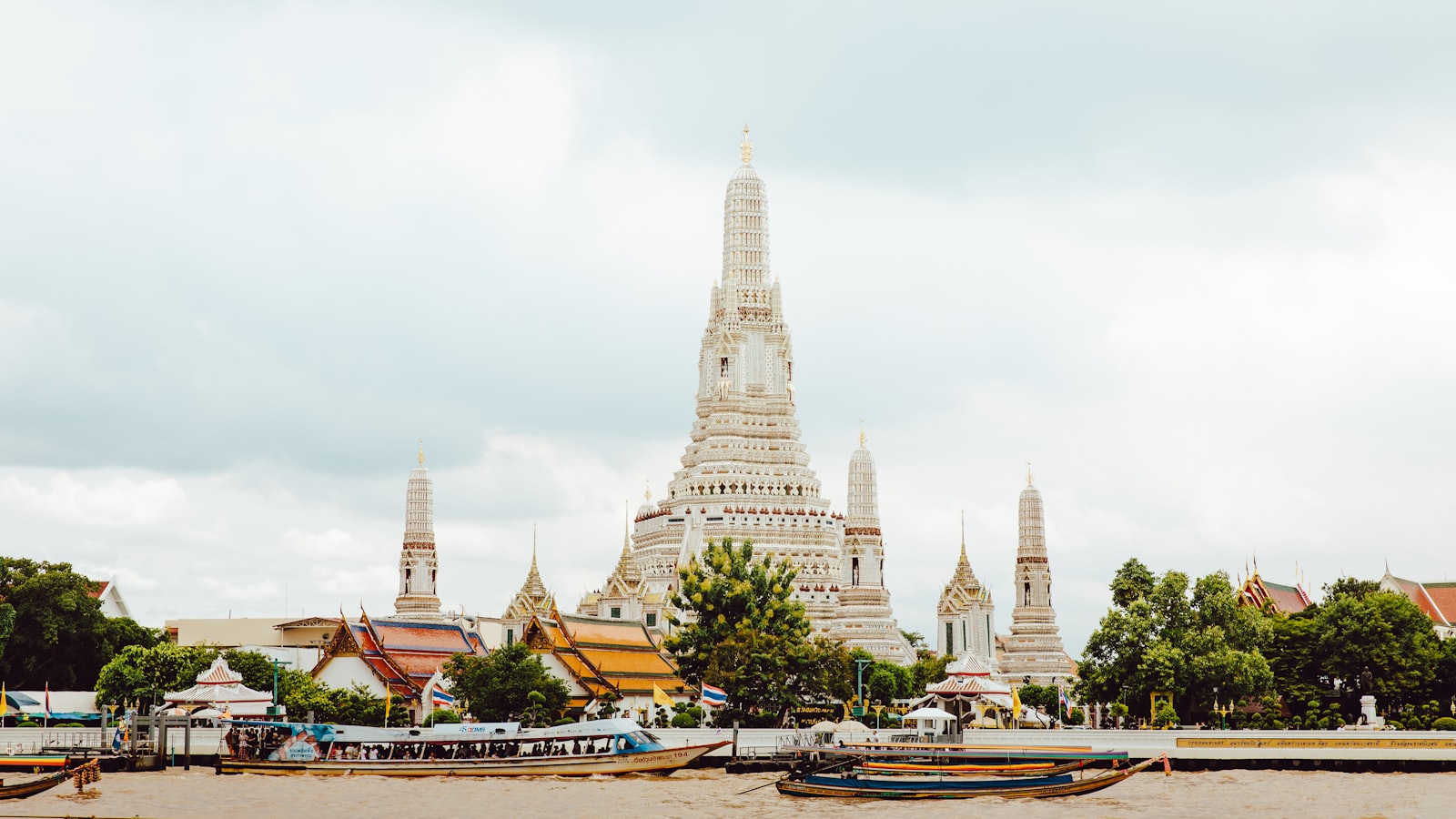
Street Food Fundamentals
Bangkok’s street food is genuinely some of the best food in the city at any price point — look for stalls with a line of local customers and high turnover, which signals fresh ingredients over anything else. Yaowarat (Chinatown) and Victory Monument are two of the most reliable street food clusters, and a full meal rarely runs more than 100-150 THB even eating well. See our Bangkok street food guide for a neighbourhood-by-neighbourhood breakdown.
Michelin-Starred Street Stalls
Bangkok is unusual in having several Michelin-starred vendors that are literal street carts — Raan Jay Fai is the most famous, with a crab omelette around 800-1,000 THB, though the wait can run hours without a reservation. Several others, like Thipsamai for pad thai, offer similar quality with far less queueing and lower prices (100-200 THB a plate).
Mall Food Courts
Don’t dismiss mall food courts — Thai mall food courts (Siam Paragon, Terminal 21, EmQuartier) are genuinely excellent, air-conditioned, and let you sample a wide range of regional Thai dishes at street-food prices (50-150 THB per dish) in one sitting. Terminal 21’s food court in particular is a favourite for its size and variety, and most use a prepaid card system rather than cash per stall.
Mid-Range Sit-Down Restaurants
For a proper sit-down meal without fine-dining prices, Bo.lan (modern Thai, tasting-menu format, roughly 2,000-3,000 THB per person) and Baan Ying Bangkok (traditional Thai home-style cooking, more like 400-700 THB per person) sit comfortably in the mid-range bracket. Somtum Der, specialising in Isaan (northeastern Thai) food including som tam and grilled meats, is another reliable mid-range choice with locations across the city, typically 300-600 THB per person.
Fine Dining
Bangkok has one of Asia’s most dynamic fine dining scenes, with several restaurants in the World’s 50 Best list — Sorn (southern Thai, tasting menu around 5,000-7,000 THB per person) and Le Du (modern Thai using local ingredients, similarly priced) are consistently well regarded, though booking weeks ahead is often necessary. Gaggan Anand, though now relocated from its original site, remains one of the city’s most talked-about progressive Indian tasting menus for special-occasion dining.
Riverside and Rooftop Dining
For a meal with a view, riverside restaurants along the Chao Phraya (many accessible by the Sathorn Pier shuttle boats) offer Thai and international menus with sunset views over the river, typically 800-1,500 THB per person. Rooftop bars with food menus — Vertigo, Sky Bar at Lebua — lean toward the expensive and touristy end (1,500-3,000+ THB) but are worth it once for the skyline views, best booked ahead for a sunset table.
Dietary Notes
Vegetarian and vegan options are increasingly common but not default — the phrase “mangsawirat” (vegetarian) or “jay” (vegan/strict vegetarian) is worth learning, as many Thai dishes use fish sauce or shrimp paste by default even when they look vegetable-based. Dedicated vegan Thai restaurants have grown quickly in neighbourhoods like Thonglor and Ari if you want a menu you don’t have to modify.
Booking and Timing
Street stalls and food courts need no reservation. Mid-range restaurants are usually fine to walk into on weeknights but benefit from a same-day booking on weekends. Fine dining venues, especially those on World’s 50 Best-adjacent lists, should be booked two to four weeks ahead, longer for weekend dinner slots — Bangkok’s dining scene has become genuinely competitive for tables at the top end.
Breakfast and Brunch
Bangkok’s brunch scene has grown fast, especially around Thonglor and Ekkamai, with Western-style cafes serving eggs, pastries, and specialty coffee alongside more traditional Thai breakfast options like khao tom (rice soup) or jok (rice porridge) from street vendors for a fraction of the price — a bowl of jok with pork and egg typically runs 40-60 THB, versus 300-500 THB for a Western-style brunch plate at a Thonglor cafe.
Thonglor and Ekkamai: The Expat Dining Corridor
These two adjacent neighbourhoods have the highest concentration of international restaurants in the city — Japanese, Italian, Korean, and fusion Thai alongside a dense cluster of bars and cafes. Prices run noticeably higher than elsewhere in the city (expect 500-1,200 THB per person for a proper dinner), reflecting the expat and upper-middle-class Thai clientele, but the quality and variety are genuinely the city’s best outside pure fine dining.
Delivery Apps
Grab Food and LINE MAN are both widely used and reliable, covering everything from street stalls to fine dining delivery — genuinely useful for evenings when going out doesn’t appeal, and often the easiest way to try a well-reviewed stall without the queue. Delivery fees are modest (20-60 THB typically) and both apps have English-language interfaces.
Practical Dining Notes
Tipping isn’t obligatory in Thailand but rounding up or leaving small change (10-15%) at sit-down restaurants is increasingly common and appreciated, especially at mid-range and upscale places. Most restaurants add a 7% VAT and sometimes a 10% service charge to the bill at the mid-range and upscale end — check whether a menu’s prices are already inclusive before being surprised at the total.
Neighbourhood Snapshot: Where to Eat by Area
Sukhumvit’s Soi 38 area has long been a late-night street food destination, though it has quieted somewhat as the city’s food scene decentralises. Silom and Sathorn, the business district, are strong for weekday lunch specials at both Thai and international restaurants aimed at office workers. Old Town (near Yaowarat and the Grand Palace) is best for traditional Thai and Chinese-Thai cooking with genuine history behind the recipes, some family-run for three or four generations.
A Note on Spice Levels
Thai restaurant spice defaults are often toned down for a general audience, especially at mid-range and touristy spots — if you want food closer to how Thais actually eat it, ask for “phet Thai” (Thai-level spicy) rather than just “phet,” and be prepared for a real increase in heat rather than a token one.
Coffee and Cafe Culture
Bangkok’s specialty coffee scene has grown quickly, especially in Ari, Thonglor, and around Chinatown, with independent roasters serving Thai-grown beans from Chiang Rai and Chiang Mai alongside imported coffee — a flat white or pour-over typically runs 90-150 THB, roughly in line with Western capital cities despite Bangkok’s generally lower cost of living. For a deeper dive into where to work and drink coffee, see our Bangkok cafes guide.
Eating Solo vs. With a Group
Street food and food courts work well solo — no awkwardness, quick turnover, easy to order small portions. Fine dining tasting menus, by contrast, are built around shared courses and pacing that suit a group or couple better than a solo diner; if eating alone at the top end, calling ahead to confirm single-diner seating is worth it, since some of the most in-demand tables are structured around multi-person bookings.
A Note on Booking Platforms
For fine dining, restaurants’ own websites or direct phone/LINE bookings are often more reliable than third-party reservation apps, especially for the smaller tasting-menu spots that only take a handful of tables a night. Mid-range restaurants are increasingly on delivery-linked booking systems through Grab or LINE, which also makes it easy to check current hours before heading out, since holiday and off-day schedules shift more often than posted hours suggest.