
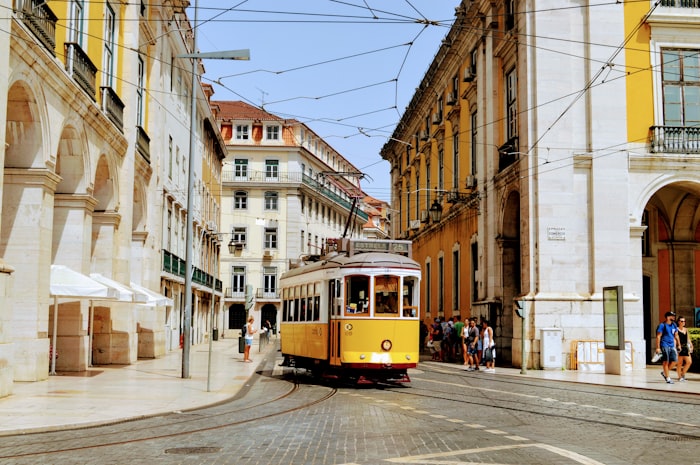
Lisbon has spent the last decade turning from an overlooked European capital into one of the continent’s main hubs for remote workers. It has the light, the coastline, the cost advantage over northern Europe — and, increasingly, the housing pressure that comes with all of it. This guide covers a long stay honestly.
Arriving and visas
The sequence is logical, but Portuguese bureaucracy moves at its own pace and patience is genuinely required. If you are pursuing the D8 (digital nomad) visa, it must be started at a Portuguese consulate in your home country before travelling — it cannot be arranged after arrival.
EU citizens have a far simpler path and mainly need to register residency locally. For everyone else, the early administrative tasks are a NIF (tax number), which you will need for almost every transaction including renting, and a Portuguese bank account. Many people obtain a NIF through a fiscal representative before arriving, which smooths everything that follows.
Expect appointment backlogs at the immigration authority. Book early, keep documentation complete, and treat delays as normal rather than as something going wrong.
Where to live
Central and historic neighbourhoods — Alfama, Bairro Alto, Chiado — are beautiful and heavily touristed, with short-term rentals dominating and prices to match. Príncipe Real and Estrela are calmer and well-regarded.
Better value sits slightly out: Campo de Ourique is residential and well-liked, Arroios and Anjos are more mixed and central, and across the river Almada offers noticeably lower rents with a quick ferry commute.
Be realistic about the housing market. Rents have risen sharply, driven substantially by foreign demand and short-term letting, and this is a live political issue locally. Long leases require documentation and often several months upfront. Lisbon is also genuinely hilly — a flat that looks central on a map may involve a serious climb.
Getting connected
Straightforward. MEO, NOS and Vodafone are the main carriers, with prepaid SIMs available from shops and kiosks on production of ID. Prices are reasonable by Western European standards and coverage across the city and the wider region is reliable. eSIM options are widely supported for shorter stays.
Working from Lisbon
The coworking scene is well developed and has expanded rapidly with the remote-work influx. Spaces cluster around the centre and in the riverside tech areas, with options ranging from large international operators to smaller independent spaces with a strong community focus.
Cafe working is common and accepted, and Lisbon’s cafe culture is a genuine pleasure. Internet is generally fast and reliable. The one persistent complaint from long-stayers is that older apartments are poorly insulated and unheated — winter working from home can be colder indoors than newcomers expect.
Healthcare
Portugal runs both public and private systems, and most expats end up using a mix. Legal residents can access the public Serviço Nacional de Saúde, funded through taxation, which provides good care at very low cost but with longer waits for non-urgent treatment.
Private care is affordable relative to northern Europe and the US, and private insurance is inexpensive enough that many people carry it for speed of access rather than necessity. English is widely spoken in private clinics and reasonably common in the public system.
Eating
Portuguese food is understated and ingredient-led rather than showy. Seafood is the strength — grilled fish, and bacalhau in its many preparations. The tasca, the small traditional restaurant serving a short daily menu at low prices, is the thing to seek out and the thing most quickly disappearing from central areas.
Eating out remains cheap by Western European standards, particularly at lunch, where the prato do dia is excellent value. Markets are worth using. Pastéis de nata deserve their reputation, and are best eaten warm rather than from a display case.
Nightlife
Lively and later-starting, in line with Southern European habits around late dinners and later nights. Bairro Alto is the classic bar-hopping neighbourhood — small bars in narrow streets with most of the crowd outside on the cobbles. Cais do Sodré, and Pink Street in particular, carries much of the club and late-bar scene.
Nights genuinely start late; arriving at a bar at nine will feel early. Fado is worth experiencing once in a proper venue rather than a tourist-oriented one. Drinks are inexpensive, and the outdoor, street-level character of a Lisbon night is much of its appeal.
The bottom line
Lisbon offers climate, coastline and cost advantages that are real, alongside a large and well-established international community. The honest counterweights are a strained housing market that foreigners are actively contributing to, slow bureaucracy, and cold apartments in winter. It suits people prepared to settle properly rather than pass through.