
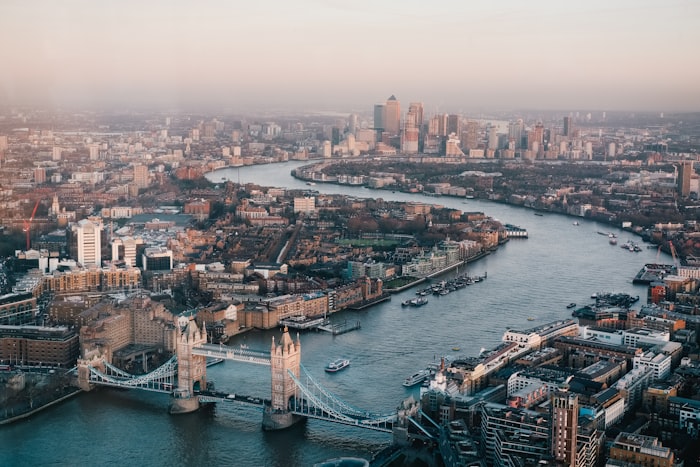
London is expensive, crowded and frequently grey, and people keep coming anyway. For a long stay the city rewards a bit of planning: which visa route, which zone, which line. This guide covers arriving, finding somewhere to live, getting connected, working, eating and going out.
Arriving and visas
Visa status comes first, and there is no shortcut around the UK’s structured immigration system. Secure the appropriate route before travel — Skilled Worker, Youth Mobility, Global Talent or similar. The UK does not offer a digital nomad visa, and visitor status does not permit working for a UK employer.
Budget for the Immigration Health Surcharge, paid upfront as part of most visa applications. It is a significant sum and catches people out, but it is what grants NHS access once you arrive.
After landing, the practical setup is refreshingly straightforward: a bank account, a National Insurance number, and registration with a local GP. Digital banks have made the first of these far easier than it once was for new arrivals without a UK address history.
Where to live
London is organised by zones and by tube lines, and the second matters more than the first. A well-connected spot in Zone 3 can beat a poorly-connected one in Zone 2 for daily life. Work out your likely commute before fixing on an area.
Broadly: East London — Hackney, Bethnal Green, Walthamstow — is younger, creative and where much of the tech industry sits. South — Peckham, Brixton, Clapham — offers good value and strong food and music scenes. North — Islington, Camden, Finsbury Park — is well-served and characterful. West is generally the most expensive and the quietest.
Flatshares are the norm well into people’s thirties and carry no stigma. Expect to move quickly on listings, and expect deposits and referencing checks. Rent is the dominant line in most London budgets by a wide margin.
Getting connected
Easy, and competition keeps prices reasonable. EE, O2, Vodafone and Three are the four major carriers, all with shops across the city where a prepaid SIM requires only ID — no proof of address needed for a basic plan. Most now offer eSIM, as do Airalo and similar providers for shorter stays.
Coverage is good above ground and increasingly available on the Underground, though it remains patchy on deeper lines. Contract plans offer better value beyond a few months but generally want a UK bank account and address.
Working from London
London has one of the most mature coworking markets anywhere, concentrated around the East London tech corridor. WeWork runs dozens of locations, heaviest in Shoreditch, the City and Canary Wharf. Second Home in Spitalfields is design-led and distinctive. Independent spaces are plentiful across Hackney and Bermondsey.
Cafe working is widely accepted, and the city’s coffee scene is genuinely good. Libraries — including some spectacular ones — are an underrated free option. Prices for desks run high by European standards; expect London rates on everything.
Healthcare
The NHS covers most legal residents, with access generally tied to having paid the Immigration Health Surcharge as part of your visa. Register with a local GP practice as soon as you have an address — this is the gateway to almost all non-emergency care, and doing it before you are ill saves considerable difficulty.
GP appointment waits can be long, and the system routes almost everything through your GP rather than direct to specialists. Emergency care is available to everyone regardless of status. Pharmacies handle a wider range of minor issues than in many countries and are a sensible first stop.
Eating
London’s food scene is one of the most diverse in the world, a direct reflection of the city’s population. The old jokes about English food are decades out of date.
Pub food has been genuinely rehabilitated, and a good gastropub is a reliable option. Beyond that the strength is in the city’s communities — Bangladeshi on Brick Lane, West African in Peckham, Turkish along Green Lanes, Chinese well beyond Chinatown. Markets like Borough and Maltby Street are worth knowing, though the former is now firmly a tourist destination as well as a food one.
Nightlife
Enormous and genuinely varied by neighbourhood. Shoreditch is East London’s creative hub, dense with bars, small clubs and a young international crowd — the default for a contemporary night out. Soho remains the classic central choice, with a long history as the heart of the city’s bar and LGBTQ+ scene. Peckham and Dalston carry much of the current energy.
The pub is the foundation of most nights out, and pub closing times are earlier than continental Europe. Night Tube runs on some lines at weekends, which changes what is possible; on other nights the night bus network is extensive and worth understanding.
The bottom line
London’s trade-off is blunt: you pay a great deal, in rent above all, for access to a city with more going on than almost anywhere. It works best for people whose work or ambitions genuinely benefit from being there. Sort the visa properly, choose your area by transport rather than postcode prestige, and accept that the first year is expensive.