
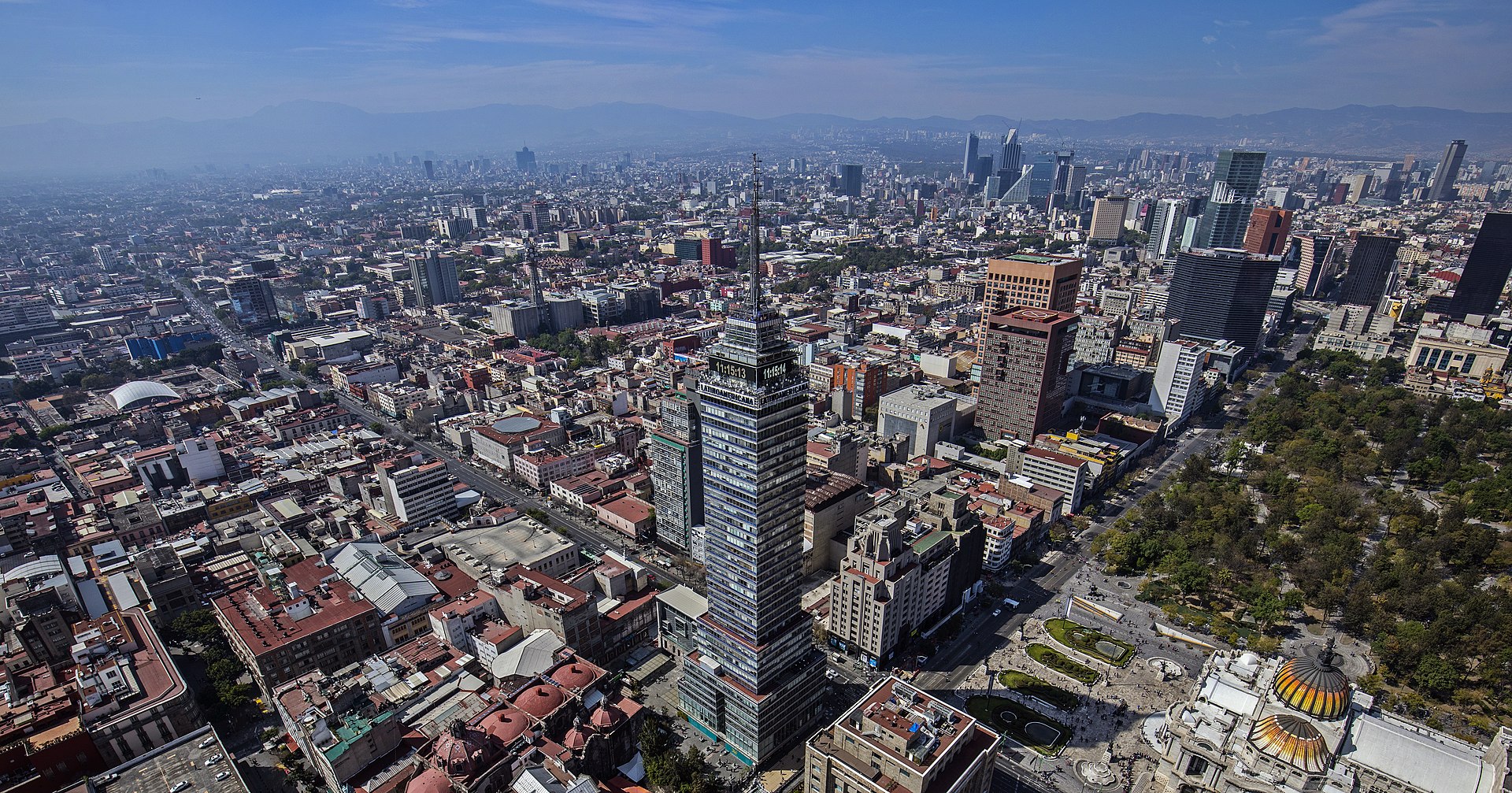
Mexico City is one of the best value major capitals in the world for remote workers, offering a world-class food scene, culture, and infrastructure at a fraction of US or European costs. Here’s a realistic 2026 budget.
Rent
Rent in nomad-popular neighbourhoods like Roma Norte and Condesa has risen significantly as demand has grown, but remains well below comparable North American or European cities. A one-bedroom in Roma/Condesa runs $700–1,100 USD/month, while less central but still well-connected areas like Escandón or Nápoles run $450–700. Further out, rents drop substantially but at some cost to walkability and nightlife access.
| Expense | Budget | Comfortable |
|---|---|---|
| Rent (1BR) | $450–650 | $800–1,100 |
| Groceries | $150 | $300 |
| Eating out | $120 | $350 |
| Transport | $25 | $60 |
| Utilities + Wifi | $60 | $90 |
| Total (monthly) | ~$805 | ~$1,700 |
Food
Street food and local fondas offer full meals for $2–5, and even mid-range sit-down restaurants in Roma/Condesa rarely exceed $15–20 per person. Mexico City has an increasingly serious specialty coffee and craft cocktail scene, though prices in the trendiest spots have crept up toward US-comparable levels.
Transport
The Metro is extremely cheap (around 5 pesos, roughly $0.25 per ride) though can be crowded at peak times. Ride-hailing apps like Uber and Didi are widely used and inexpensive compared to US equivalents, making them a genuinely viable primary transport option for many remote workers rather than just an occasional convenience.
Healthcare
Private healthcare in Mexico City is notably affordable and high-quality — a specialist consultation typically runs $30–60 without insurance, and private health insurance for expats runs $50–150/month depending on age and coverage. Many nomads simply pay out of pocket for routine care given how reasonable costs are.
The Bottom Line
A single remote worker can live very comfortably in Mexico City for $1,200–1,800/month even in central, popular neighbourhoods — among the best value-to-lifestyle ratios of any major world capital, though Roma/Condesa specifically have gotten noticeably pricier in recent years.
Frequently Asked Questions
Has gentrification really driven up prices in Roma/Condesa?
Yes, significantly — rents in these specific neighbourhoods have roughly doubled in some cases over the past several years, driven by remote worker demand.
Are there still affordable central options?
Yes — areas like Escandón, Nápoles, and Doctores offer lower rent while remaining well-connected to the city’s core.
One-Time Setup Costs
Mexican rental contracts (contrato de arrendamiento) often require a Mexican guarantor (fiador) or an insurance policy substitute (póliza jurídica) for unfurnished, longer-term leases — a genuine hurdle for newcomers. Furnished short and medium-term rentals via Airbnb or dedicated relocation platforms skip this requirement entirely, which is why most nomads start there.
Regional Cost Differences Within Mexico City
Beyond Roma/Condesa versus Escandón, note that colonias like Del Valle and Narvarte offer a more local, family-oriented feel at meaningfully lower cost than the trendiest nomad areas, while still being well-connected by metro.
Taxes
Mexico’s income tax is progressive, up to 35% at the top bracket for residents, though most remote workers paid by foreign employers/clients are taxed in their home country rather than Mexico unless they establish formal tax residency — a genuinely complex area worth getting personalized advice on rather than assuming.
Saving Money Day-to-Day
- Mercados (traditional markets) offer noticeably better produce and prepared food prices than supermarkets in nomad-heavy areas.
- The Metro and Metrobús are extremely cheap and cover most of the city, worth using even if you also rely on rideshare apps.
- Comida corrida (a fixed-price lunch menu) at local restaurants is one of the best-value meals available almost anywhere in the city.
Currency and Payment Notes
Mexico remains more cash-reliant than many nomads expect, particularly at markets and smaller local restaurants — carry pesos for everyday purchases even though cards are widely accepted at larger businesses and chains.