
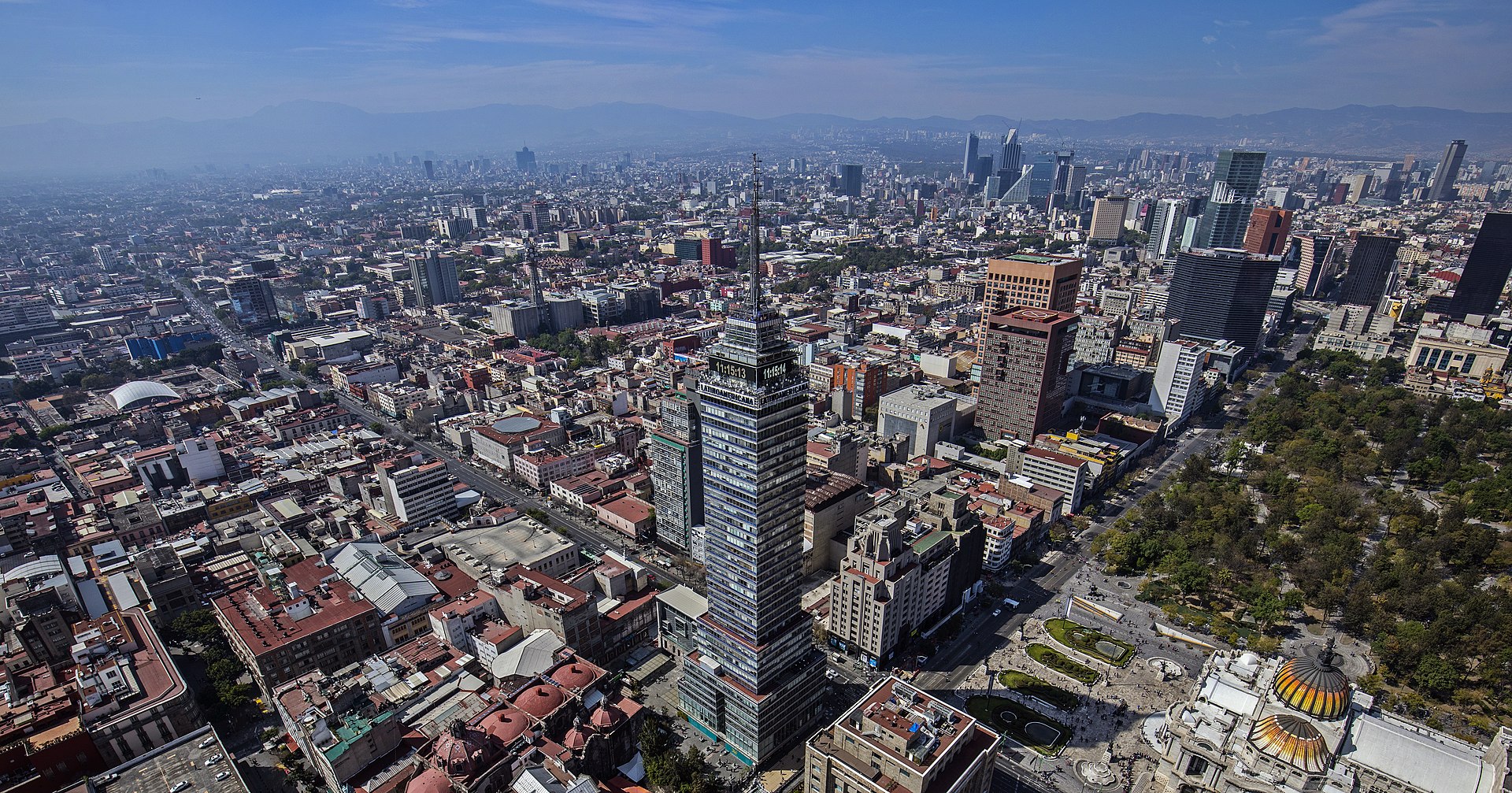
Mexico City has quietly become one of the biggest digital nomad hubs in the Americas, combining a serious food and culture scene with genuinely low costs and a large, established remote worker community.
Wifi and Connectivity
Internet infrastructure in the main expat neighbourhoods is solid, with fiber broadband widely available and typically delivering 100+ Mbps. Coverage and reliability drop off in more residential or outer areas, so it’s worth checking building-specific reviews before committing to a longer lease.
SIM Cards and eSIMs
Telcel is the dominant carrier with the best coverage nationwide, available at OXXO convenience stores and official shops with just a passport. AT&T Mexico and Movistar are solid alternatives. eSIMs from Airalo or Holafly work well for shorter stays and can be activated before landing.
Coworking Spaces
Roma Norte and Condesa have a dense concentration of coworking spaces, including WeWork locations and local favorites like Cowork Roma and Impact Hub CDMX. Day passes typically run $10–20 USD, with monthly memberships from $100–180. The cafe scene doubles as informal coworking too — many specialty coffee shops in Roma/Condesa are laptop-friendly and busy with remote workers throughout the day.
Best Areas for Remote Workers
Roma Norte and Condesa remain the default choice for the highest density of cafes, coworking spaces, and a built-in community of other remote workers. Escandón offers similar access at a lower cost for those optimizing their budget slightly.
Time Zone Considerations
Mexico City uses Central Time (UTC-6), which overlaps well with US Central and Eastern business hours and reasonably with Mountain and Pacific — a significant advantage for nomads working with US-based clients or employers compared to European or Asian bases.
The Bottom Line
Mexico City offers one of the best combinations of cost, culture, and US time zone overlap available to remote workers anywhere, with an established, easy-to-plug-into nomad community concentrated in a walkable, well-connected part of the city.
Frequently Asked Questions
Is the altitude an issue for working remotely?
Most visitors adjust within a few days; some experience mild fatigue or shortness of breath initially given the city’s elevation of over 2,200 meters (7,200 ft).
Is there a strong nomad community to plug into?
Yes, one of the largest in Latin America, with regular meetups, Slack and Facebook groups, and a high concentration of long-term remote workers in Roma/Condesa specifically.
Cost of Working From Mexico City
Between a coworking membership and reliable home internet, budget $80–150/month on top of general living costs for a solid remote work setup — among the most affordable major-city nomad setups available anywhere.
Community and Meetups
Mexico City has one of the largest digital nomad communities in Latin America, with regular meetups, Slack groups, and coworking-hosted events concentrated heavily in Roma Norte and Condesa — genuinely easy to plug into as a newcomer.
Language and Daily Life
English is common in nomad-heavy areas and among younger, more international-facing businesses, but far less so outside these pockets — basic Spanish meaningfully improves daily life and is worth prioritizing more than in cities like Lisbon or Berlin.
Practical Daily Tools
- Uber and Didi are the standard, reliable transport apps, widely used instead of hailing taxis.
- Google Maps handles Metro/Metrobús navigation well, though transit apps specific to CDMX offer more detail on route changes.
- Rappi (a local delivery super-app) covers food, groceries, and even pharmacy delivery, genuinely useful for remote workers.
The Verdict for Different Nomad Types
Mexico City suits nomads prioritizing cost, culture, food, and US time zone overlap above all else — it’s a slightly steeper adjustment for those who don’t speak Spanish and want maximum English-language ease, where Lisbon or Berlin might be a smoother fit.