
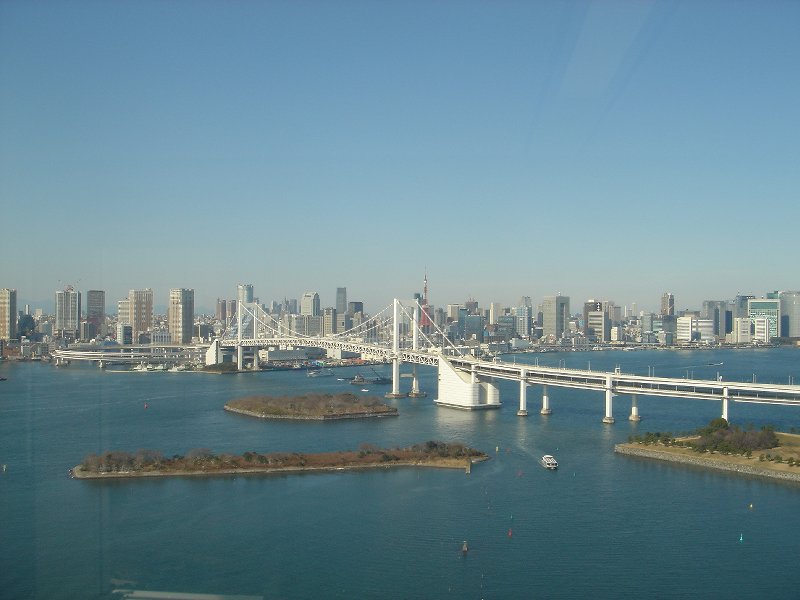
Tokyo is consistently ranked among the safest major cities in the world, and for most visitors and residents, that reputation holds up in daily life. Here’s what actually matters.
Overall Crime Rate
Violent crime against tourists and residents is rare. It’s common and unremarkable to see women walking alone late at night, and lost items — wallets, phones, umbrellas — are frequently returned or handed to a koban (local police box) rather than kept. This isn’t a myth; it’s a genuine, well-documented cultural norm.
What to Actually Watch For
- Petty theft in tourist-dense areas: rare but not zero — keep bags zipped in crowded spots like Shibuya Crossing or during festivals.
- Overpriced bars in Kabukicho and Roppongi: some bars target tourists with inflated bills or aggressive “catch” touts on the street — walk past anyone approaching you to invite you to a bar.
- Natural disasters: Japan is earthquake-prone. Download the Safety Tips app for real-time alerts, and know that buildings are built to extremely high seismic standards.
- Typhoon season: late summer through early autumn can bring severe storms — check forecasts if traveling during this window.
Solo Travelers and Women
Tokyo is widely regarded as one of the best cities in the world for solo female travelers specifically because of how low street harassment and violent crime rates are compared to most global capitals. Late-night train travel is common and generally comfortable, though women-only train cars are available during rush hour if preferred.
Emergency Numbers
Police: 110. Ambulance/Fire: 119. English-language support is available on both lines, though response may be slower than calling in Japanese — the Japan Visitor Hotline (050-3816-2787) offers 24/7 English assistance for tourists.
The Bottom Line
Tokyo’s safety reputation is earned. The main real risks for visitors are natural disasters and the occasional tourist-targeted overcharging scheme, not crime. Standard travel awareness is more than sufficient.
Frequently Asked Questions
Is it safe to walk around Tokyo at night?
Yes, this is one of the most consistently cited reasons people love visiting — it’s normal and safe in almost every neighbourhood.
What about natural disaster risk?
Japan has extensive earthquake preparedness infrastructure; buildings, transit systems, and public alerts are all designed around it. It’s a real consideration but not a reason to avoid visiting.
Scams to Be Aware Of
Beyond bar-related overcharging in Kabukicho/Roppongi, watch for street “models” or promoters offering free drinks that lead to inflated bills, and unofficial ticket resellers near popular attractions. None of these are dangerous, just costly — walking away from unsolicited approaches is the standard, effective response.
Traffic and Pedestrian Safety
Japan drives on the left, which catches out visitors used to right-hand traffic when crossing streets — look both ways carefully, especially at smaller intersections without traffic lights. Cyclists also frequently use sidewalks in Japan, so stay aware even when not near a road.
Typhoon and Earthquake Preparedness
Beyond downloading the Safety Tips app, know that most accommodations (hotels and apartment buildings) post evacuation routes, and convenience stores are a reliable source of supplies during a typhoon warning. Japan’s building codes and public infrastructure are specifically engineered for seismic events, which is a major reason casualty rates from earthquakes are low relative to the frequency of tremors.
Health and Air Quality
Tokyo’s air quality is generally good by major-city standards, though seasonal pollen (particularly cedar pollen in spring) affects a significant share of both residents and visitors — pharmacies stock effective over-the-counter allergy medication if needed.
LGBTQ+ Travelers
Japan is generally safe and low-friction for LGBTQ+ visitors in terms of physical safety, though same-sex marriage isn’t nationally recognized and public displays of affection (for any couple) are culturally more reserved than in much of the West.
Consulate Registration
Longer-term residents from many countries can register with their home consulate in Tokyo, which can be useful for emergency assistance, document renewals, and safety alerts specific to your nationality during your stay.
Insurance and Medical Evacuation
Given Japan’s excellent but sometimes costly private medical care for the uninsured, comprehensive travel insurance with medical evacuation coverage is worth the modest cost for visitors, particularly for remote areas or adventure activities like hiking Mt. Fuji.