
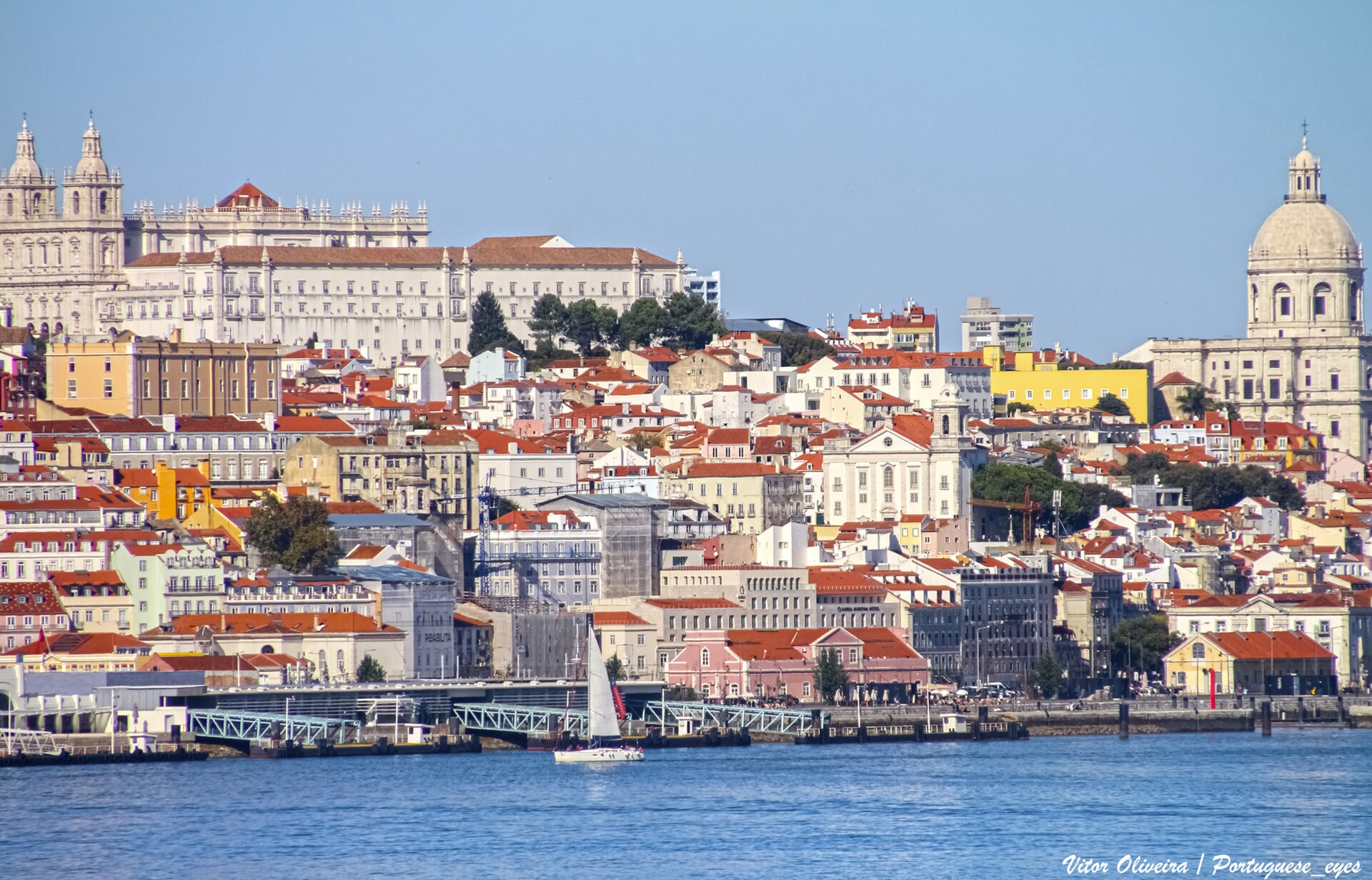
Lisbon consistently ranks as one of the safest capital cities in Europe, and most visitors and residents find that reputation holds up well in daily life.
Overall Crime Rate
Violent crime is rare in Lisbon, and most safety concerns for visitors involve petty theft rather than anything more serious. The city has a low homicide rate by both European and global standards, and Portugal regularly ranks in the top 10 of the Global Peace Index.
What to Actually Watch For
- Pickpocketing on Tram 28: this scenic, tourist-packed tram route is the single most commonly cited spot for pickpocketing in the city — keep bags in front of you and phones secured.
- Bairro Alto and Cais do Sodré at night: nightlife areas see occasional opportunistic theft and drink-related incidents; standard nightlife caution applies.
- Scooter and bike theft: if renting an e-bike or scooter, always lock it properly — theft of these is more common than theft from a person.
- Uneven, slippery cobblestones: the calçada portuguesa (traditional pavement) becomes genuinely slippery when wet — more visitors are injured by falls than by crime.
Solo Travelers and Women
Lisbon is widely regarded as a comfortable city for solo female travelers, with well-lit central areas and a generally respectful street culture. Standard precautions in less-populated areas at night are still sensible, as in any city.
Emergency Numbers
General emergency (police, ambulance, fire): 112, the same number used across the EU. English-speaking operators are generally available given Lisbon’s high tourism volume.
The Bottom Line
Lisbon’s real safety risks are petty theft on crowded tourist routes and slippery pavement, not violent crime. It remains one of the more relaxed major European capitals for visitors and long-term residents alike.
Frequently Asked Questions
Is Lisbon safe at night?
Yes, central and residential neighbourhoods are generally comfortable to walk at night, though standard nightlife-area caution applies around Bairro Alto and Cais do Sodré.
What’s the biggest actual risk to visitors?
Pickpocketing on crowded public transport, particularly Tram 28, and slips on wet cobblestone streets — not violent crime.
Scams to Be Aware Of
Beyond pickpocketing, be cautious of unofficial “helpers” at ATMs offering assistance, and always use official taxi ranks or ride-hailing apps rather than unmarked cars offering rides near tourist sites.
Traffic and Pedestrian Safety
Lisbon’s trams, particularly the famous Tram 28, share narrow streets with pedestrians and cars — stay alert on tram routes, as accidents involving distracted tourists are not uncommon.
Health and Safety Infrastructure
Portugal has a low rate of natural disaster risk, good air quality, and a well-organized emergency response system. Public hospitals handle emergencies regardless of insurance status, though private care is faster for non-urgent issues.
LGBTQ+ Travelers
Portugal is broadly progressive and welcoming, with Lisbon hosting one of Europe’s larger Pride events and Príncipe Real specifically known as an LGBTQ+-friendly neighbourhood.
Petty Crime Trends
Like many popular European tourist destinations, Lisbon has seen a rise in tourist-targeted pickpocketing correlating with rising visitor numbers over the past decade — it remains a minor-crime issue rather than a violent-crime one, but it’s worth being more vigilant on crowded tram routes and at busy viewpoints than you might be at home.