
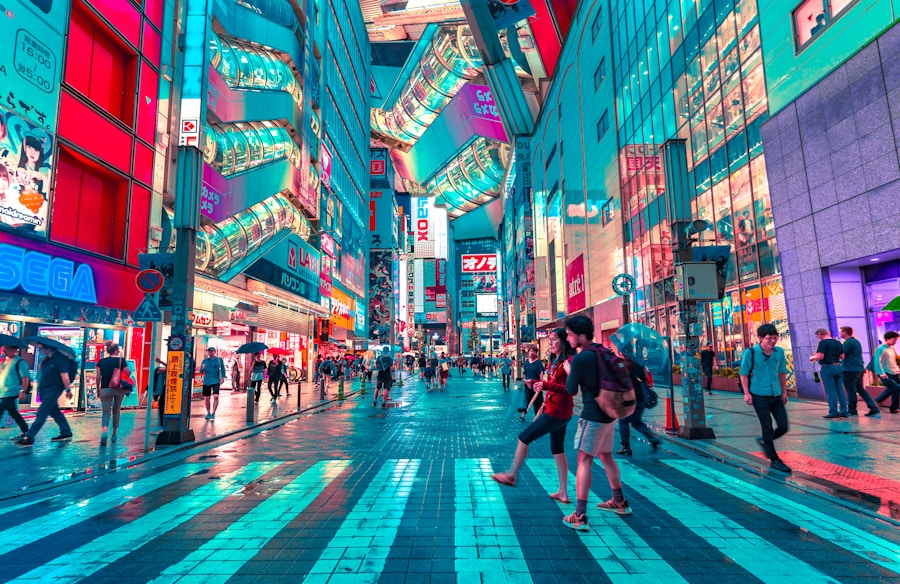
Tokyo is huge, and picking the right base area shapes your whole trip. Here’s a practical breakdown by traveler type for 2026.
Best for First-Timers: Shinjuku
Tokyo’s biggest transport hub, with direct access to nearly every part of the city and the Narita Express/airport limousine bus. Busy and neon-lit, but unbeatable for convenience — good hotels at every price point within a short walk of the station.
Best for Nightlife: Shibuya
Home to the famous Shibuya Crossing, dense with bars, izakayas, and late-night food. Central, walkable, and youthful, with easy access to Harajuku and Omotesando for daytime shopping and cafes.
Best for a Local Feel: Yanaka
One of the few areas that survived WWII bombing largely intact, Yanaka retains an old-Tokyo, low-rise character with temples, cats, and traditional shops — a genuinely different pace from the rest of the city while still being well-connected by train.
Best for Families: Kichijoji
Inokashira Park, the Ghibli Museum nearby, and a manageable, less overwhelming scale make Kichijoji popular with families wanting green space without leaving the city entirely.
Best for Longer Stays: Shimokitazawa
Village-like, walkable, and full of independent cafes and vintage shops, with good short-term furnished apartment options for stays of a few weeks or longer.
The Bottom Line
Shinjuku or Shibuya suit first-time visitors wanting maximum convenience, Yanaka suits those wanting atmosphere over nightlife, and Shimokitazawa suits longer, more residential-feeling stays.
Frequently Asked Questions
Is it worth staying near the airport instead of central Tokyo?
Generally no — Narita is over an hour from the city center by train, so a central base with good rail access is usually more practical even with the extra initial transfer.