
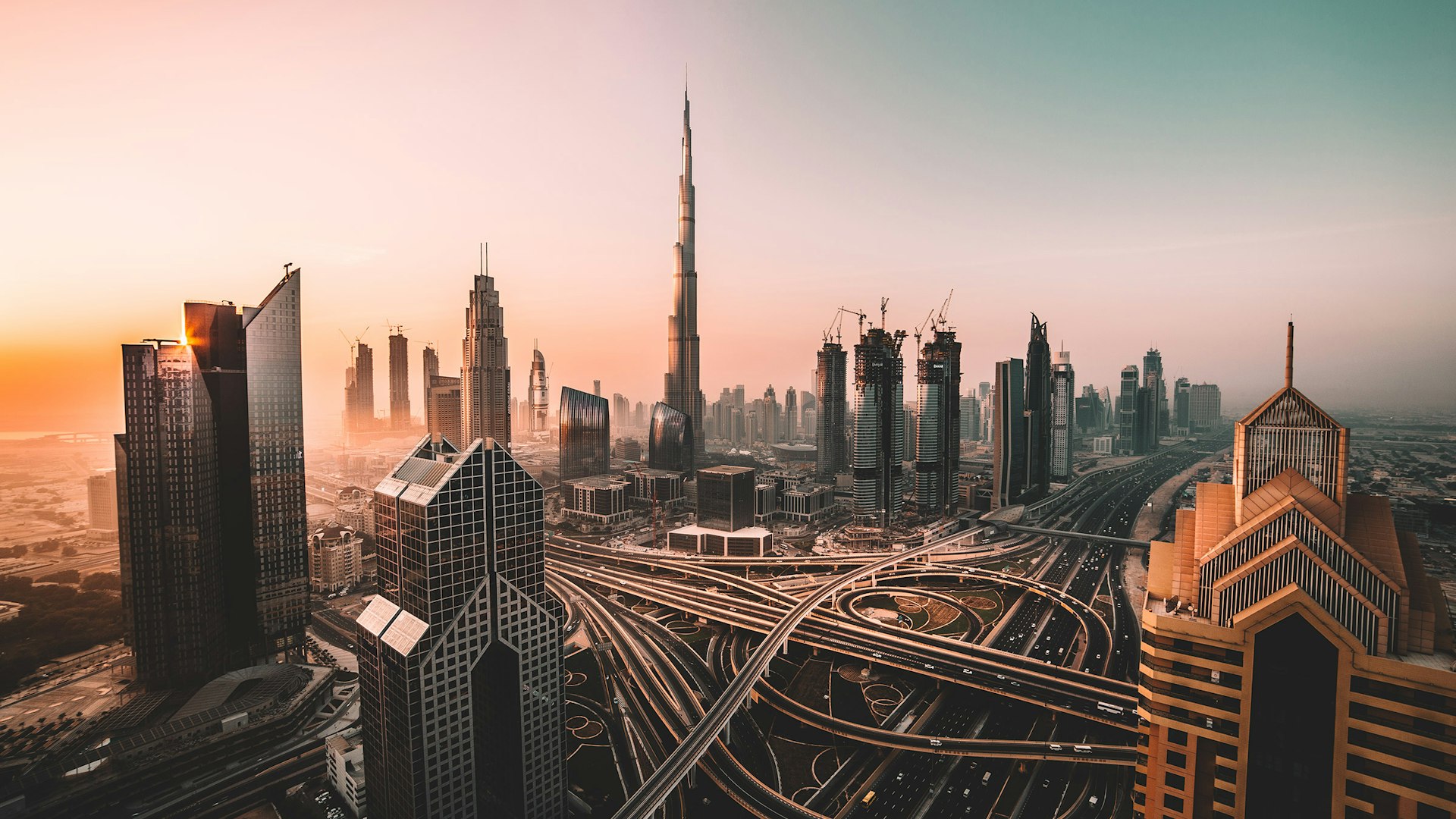
Dubai consistently ranks among the safest big cities in the world, and most visitors never have a problem more serious than an overpriced taxi. Violent crime is rare, the streets are well policed, and you can walk around at night in most areas without a second thought. But “safe” in Dubai means something specific: it is safe as long as you understand that the legal and cultural rules here are stricter than in Europe, North America or most of Asia, and that the things which get visitors into trouble are almost never street crime. They are legal missteps. This guide covers both halves honestly.
Overall Safety
Dubai’s day-to-day safety is genuinely excellent. The emirate has very low rates of violent crime, a visible and responsive police presence, and extensive CCTV across public spaces, malls and transport. Solo walking after dark, using public transport late, and carrying a phone openly are all things most residents do without concern. The Dubai Metro, trams and licensed taxis are clean, monitored and reliable.
The honest caveat is that Dubai’s safety is built on a strict legal framework, not on a relaxed culture. The same systems that keep crime low also mean that behaviour considered trivial elsewhere — a heated public argument, a rude gesture, a drunken night that spills onto the street — can become a legal matter. Treat Dubai as very safe physically, and approach the law and local customs with respect rather than assumption. If you do that, your biggest risk is sunburn.
It helps to understand why Dubai is so safe. The emirate is heavily surveilled, policing is well funded and quick to respond, and the population is overwhelmingly made up of expatriate workers whose residency depends on staying out of trouble — which builds a strong social incentive toward order. International safety indices consistently place Dubai and Abu Dhabi among the highest-ranked cities in the world for personal safety and low crime. For visitors, the practical upshot is simple: focus your caution on the legal and environmental risks in this guide rather than on any fear of being a victim of crime.
Crime & Street Safety
Street crime is uncommon. Pickpocketing and bag-snatching exist at the level you would expect in any busy tourist city — crowded souks, packed Metro carriages, the beach — but they are not widespread. Keep the usual habits: don’t leave a phone unattended on a café table, keep an eye on bags in crowds, and use the hotel safe for your passport and spare cash.
The more realistic everyday risk is on the road. Dubai’s roads are modern, but driving culture can be fast and aggressive, and pedestrian infrastructure outside the core districts is patchy. Only cross at marked crossings — jaywalking is both dangerous and technically an offence — and be cautious as a pedestrian near multi-lane roads. If you rent a car, drive defensively and never, ever drink and drive: the UAE has a zero-tolerance policy and penalties are severe.
The older, busier parts of the city — Deira, Bur Dubai and the souks — are perfectly safe, but they are also where pushy sellers and unlicensed taxi touts concentrate. Stay aware in crowds, keep valuables zipped away, and be polite but firm with anyone trying to steer you into a shop or an unofficial car. Nightlife districts are well secured, but the usual rules apply: watch your drink, leave with people you trust, and book a licensed taxi or ride-hail rather than walking off with a stranger.
Summer heat is a genuine safety consideration, not a footnote. Between June and September, daytime temperatures regularly exceed 45°C and humidity is punishing. Heat exhaustion and dehydration send unprepared visitors to hospital every year. Carry water, plan outdoor activity for early morning or evening, and take the midday hours indoors.
Legal Risks for Expats
This is the section that actually matters, because it is where well-meaning visitors get caught. UAE law has modernised significantly in recent years, but it remains stricter than most newcomers expect, and ignorance is not a defence.
- Alcohol. Drinking is legal for those aged 21 and over, but only in licensed venues — almost always hotels, licensed restaurants, bars and clubs — or in private. Tourists can buy alcohol from licensed shops, and the personal-licence requirement has been relaxed for visitors. What is not tolerated is public drinking or public drunkenness. Being visibly intoxicated in public, or causing a disturbance, can lead to arrest.
- Drink-driving. Zero tolerance. There is no “one drink” allowance. A positive test can mean detention, heavy fines and a driving ban.
- Drugs. Penalties are among the harshest in the world. Possession of even trace amounts — including substances detectable in a blood test — can bring lengthy prison sentences, and trafficking can carry life imprisonment or worse. CBD products, certain prescription medicines, and even poppy seeds are prohibited. If you take prescription medication, carry documentation and check whether it is permitted before you travel.
- Relationships and public behaviour. Cohabitation by unmarried couples was decriminalised in the 2020 legal reforms, and unmarried couples can share hotel rooms without issue in practice. However, sex outside marriage remains technically illegal, and public displays of affection beyond hand-holding can draw complaints. Keep it discreet.
- Public decency. Swearing, rude gestures, and aggressive arguments in public — including in traffic disputes — are treated as offences. Dress modestly in public areas, malls and government buildings: cover shoulders and knees. Beachwear stays at the beach and pool.
- Ramadan. During the holy month, eating, drinking and smoking in public during daylight hours is restricted. Enforcement has relaxed in tourist areas and many venues now stay open behind screening, but it is respectful — and safer — to be discreet. Dress and behaviour expectations rise during Ramadan, so check the dates if your trip overlaps and take your cue from those around you.
- Photography. Do not photograph people, especially women and families, without permission. Never photograph government buildings, military sites, ports or airports. Both can lead to serious trouble.
- Social media. The UAE’s cybercrime laws are strict. Posting content that authorities consider offensive, defamatory, or insulting to the country, its leadership or religion — including angry reviews or videos of others without consent — has led to arrests and fines. Think before you post while in the country.
None of this should frighten you off. Millions of visitors and expats live here comfortably. The point is simply that the rules are real and enforced, so a little awareness goes a long way. For more on settling in, see our guide to the cost of living in Dubai.
LGBTQ+ Safety
This needs to be stated plainly rather than glossed over. Same-sex sexual activity is illegal under UAE law. While the US and UK governments note they are not aware of recent prosecutions of tourists for private, consensual conduct, the law exists and public expression of a same-sex relationship — displays of affection, for example — carries real legal risk.
In practice, Dubai is a cosmopolitan city and LGBTQ+ travellers visit every year, generally without incident, by being discreet in public. Same-sex couples can and do share hotel rooms. But there is no legal recognition or protection, Pride events and public advocacy are not permitted, and discretion in public is essential. Travellers should make an informed personal decision with this legal reality clearly in mind, and avoid public displays of affection regardless of orientation, as the same standard applies to everyone.
Women Travelling Alone
Dubai is one of the more comfortable major cities in the world for solo female travellers in terms of day-to-day safety. Street harassment is uncommon, the Metro has women-and-children-only carriages, women-only taxis (driven by women) are available, and walking alone at night in populated areas is widely considered safe. Many solo women report feeling safer here than in major European or American cities.
That said, use normal judgement. Dress modestly outside tourist and beach zones to avoid unwanted attention, be cautious about accepting drinks from strangers in nightlife settings, and keep in mind the legal context above — for instance, reporting an assault is complicated by laws around sex outside marriage, so the practical advice is prevention and discretion. Stick to licensed taxis and ride-hailing apps rather than unmarked cars, especially late at night.
If you ever feel uncomfortable, help is rarely far away: malls, hotels and Metro stations are staffed and monitored, and security is easy to find. Many solo women also keep their accommodation address private with new acquaintances and let someone know their plans before a night out — sensible habits anywhere, and easy to maintain in a city this connected and well lit.
Scams to Watch
Serious crime is rare, but opportunistic scams targeting visitors do exist. The most common ones:
- Taxi overcharging. Insist on the meter in official RTA taxis, or use the Careem or Uber apps so the fare is fixed in advance. Avoid unmarked “limousine” touts at the airport and tourist sites.
- Rental and deposit scams. If you are renting an apartment, never transfer a deposit before viewing the property and verifying the landlord or agent. Use registered agents and an official Ejari tenancy contract. Listings that seem far too cheap usually are.
- Romance and financial scams. The US State Department specifically flags internet romance scams, fake job offers, lottery and inheritance notices, and money-transfer requests as common. Never send money to someone you have not met, and treat unsolicited job offers with prized salaries as suspect.
- Gold and souk pressure selling. In the older markets, be firm about prices and walk away from high-pressure sellers. Counterfeit “designer” goods are also illegal to buy and carry.
- Fake officials. Genuine police will have proper ID and uniform. Be wary of anyone in plain clothes demanding on-the-spot fines or your documents.
- ATM and card skimming. Use machines inside banks or malls rather than standalone units, cover the keypad, and check your statements. Skimming is not rampant, but it does happen at compromised terminals.
- Begging and “stranded traveller” stories. Organised begging and sob-story approaches targeting tourists surface periodically. Give to registered charities rather than to individuals on the street.
Emergency Numbers
The UAE’s emergency services are efficient and English is widely spoken by operators. You can call these from any mobile, even without a SIM or credit:
- Police — 999
- Ambulance — 998
- Fire / Civil Defence — 997
- Coastguard — 996
- Dubai Police non-emergency — 901
Save these in your phone on arrival. For non-urgent issues, the Dubai Police app and the 901 line handle reports and enquiries. If you are a foreign national in a serious legal situation, contact your embassy or consulate as well.
Health & Medical
Dubai’s healthcare is excellent — modern hospitals, well-trained staff, and high standards of care. The catch is cost. Treatment is expensive, and hospitals typically require proof of insurance or upfront payment before admitting a patient. Public emergency care exists, but as a visitor you should not rely on it. The single most important practical step you can take for a Dubai trip is to arrive with proper travel and medical insurance that covers treatment and, ideally, medical evacuation.
Travel & medical insurance for Dubai
Because Dubai hospitals expect payment or proof of cover up front, travelling uninsured is a real financial risk. SafetyWing Nomad Insurance is a straightforward option for travellers, digital nomads and long-stay visitors — it covers medical treatment abroad and can be started even after you have left home, with simple monthly billing.
A few other health notes: tap water is treated and generally considered safe, but most residents and visitors drink bottled or filtered water, largely on taste. Pharmacies are widespread and well stocked, but confirm any medication you bring is permitted. And take the heat seriously — hydrate constantly in summer and recognise the early signs of heat exhaustion. If you are planning a longer stay and want the full picture on working remotely here, our Dubai digital nomad guide goes deeper on visas, connectivity and daily life.
The Bottom Line
Is Dubai safe? Yes — genuinely, for the overwhelming majority of visitors. Physical and street safety are among the best of any major city. The risks worth your attention are not muggers but the legal and cultural rules: alcohol in public, drugs, photography, social media, and public behaviour. Respect those, carry good insurance, drink plenty of water, and Dubai will likely feel like one of the safest, smoothest trips you take.