
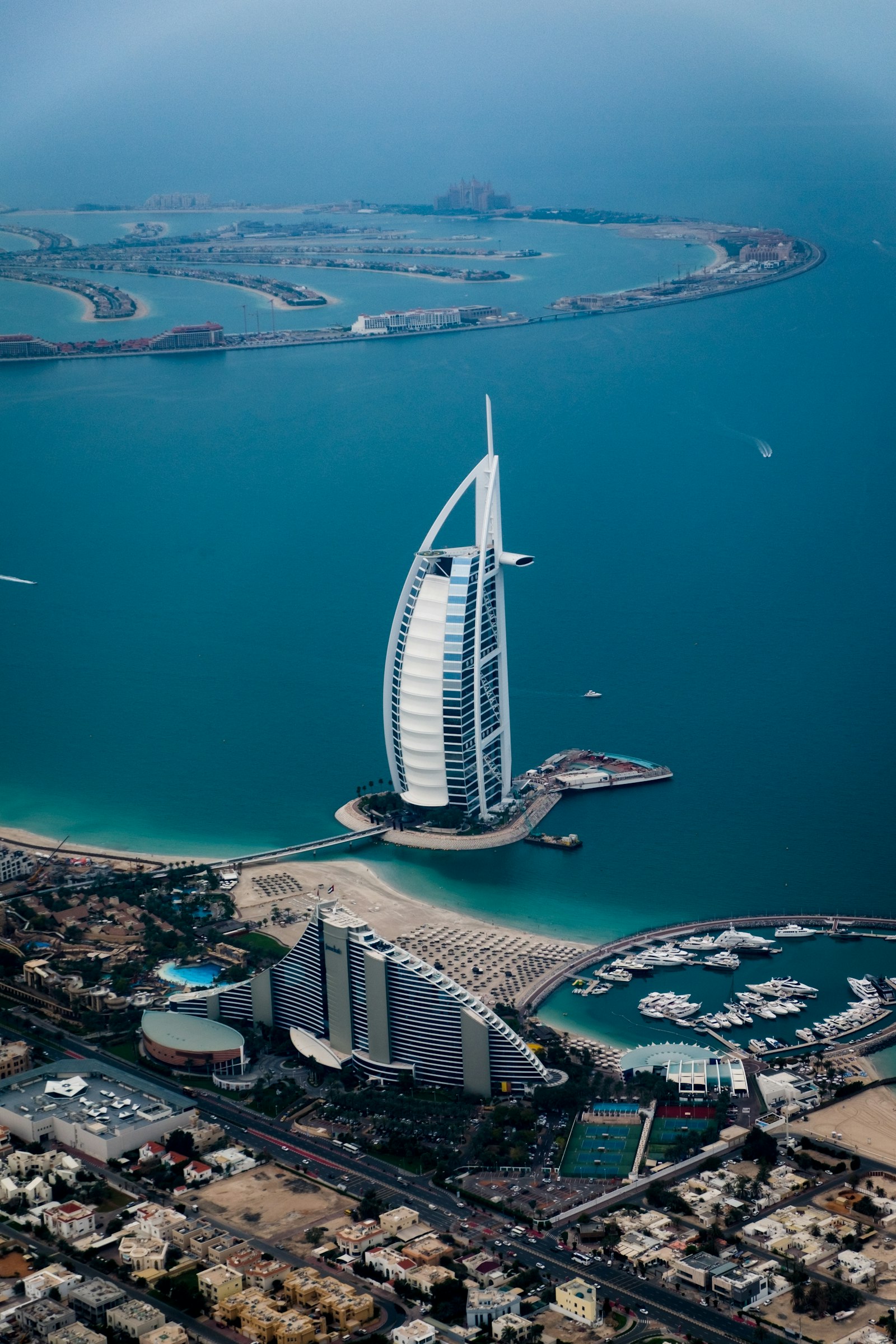
Dubai is expensive — but it is expensive in a structured, predictable way, which is more than you can say for a lot of cities. There is no personal income tax, salaries are often higher than back home, and the cost ladder runs from genuinely cheap to genuinely absurd with clear rungs in between. The thing that catches people out is not the headline rent; it is the year-one fees, the gap between a Carrefour shop and a Spinneys shop, and the quiet assumption that you will own a car. This is the real picture for 2026, in AED and USD, aimed at digital nomads and expats settling in rather than tourists. We have used current market figures and erred towards what you will actually spend, not the brochure minimum.
Monthly Budget at a Glance
Here is the shape of a single person’s month across three realistic tiers. The biggest variable, by far, is where and how you live; accommodation swings everything else. Treat these as starting points, not gospel — a car, a school-age child, or a Marina address each rewrite the maths. The budget tier assumes a studio or shared place in an inland district, cooking most nights and relying on the Metro. The comfortable tier assumes a Marina or Downtown one-bedroom, a car, regular brunches and a good insurance plan.
| Monthly cost (AED / USD) | Budget | Mid-range | Comfortable |
|---|---|---|---|
| Accommodation | 3,500 / $950 | 7,000 / $1,900 | 12,000 / $3,270 |
| Food & groceries | 1,200 / $325 | 2,000 / $545 | 3,500 / $955 |
| Transport | 350 / $95 | 600 / $165 | 1,500 / $410 |
| Coworking | 300 / $80 | 1,000 / $270 | 2,000 / $545 |
| Leisure | 500 / $135 | 1,200 / $325 | 3,000 / $815 |
| Health insurance | 300 / $80 | 400 / $110 | 800 / $220 |
| Total | ~6,150 / $1,675 | ~12,200 / $3,325 | ~22,800 / $6,210 |
A family of four realistically needs AED 18,000–30,000+ a month once private school fees (AED 25,000–70,000 per child per year) enter the picture. Below, each line is broken down with the detail that actually moves the number.
Accommodation
Rent is 30–40% of most budgets and the number everything hinges on. A studio runs from about AED 3,000/month in inland areas like International City, Discovery Gardens or Al Nahda, up to AED 7,000–7,500 in Dubai Marina; one-bedrooms span roughly AED 5,000 in affordable suburbs to AED 12,000 in Marina, Downtown and DIFC. Two-bedrooms in the Marina can run anywhere from AED 8,300 to AED 37,500 depending on the tower and the view.
The catch is year-one cost. Budget an extra 12–15% on top of the annual rent for the 5% agent commission, a refundable security deposit (5% unfurnished, 10% furnished), the 5% Dubai Municipality housing fee billed monthly through your DEWA utility account, and Ejari tenancy registration (around AED 220). Dubai’s cheque culture is the other shock: many landlords still want the year’s rent in one to four post-dated cheques up front, though monthly-payment and furnished short-let options are expanding fast and suit nomads better. Utilities (DEWA) add AED 300–800/month depending on aircon use, and chiller/cooling fees can be separate. For a district-by-district breakdown, see our Dubai neighbourhoods guide.
Food & Groceries
Food is where Dubai is quietly affordable if you eat like a resident, not a tourist. A single person spends roughly AED 1,200–1,700 a month on groceries with some eating out. The supermarket you choose matters enormously: Carrefour, Lulu and Union Coop are 30–40% cheaper than Spinneys or Waitrose for an identical basket, and the local co-ops run aggressive weekly promotions worth planning around.
Eating out splits hard by venue. A shawarma, a biryani or a South Asian canteen meal is AED 20–35; a casual sit-down is AED 50–90; a mid-range restaurant is AED 100–200 per person; and a hotel Friday brunch is AED 250–500 with a drinks package. Delivery apps (Talabat, Deliveroo, Careem) are convenient but add 15–25% once fees and markups are counted. Alcohol is the real budget-killer — bought only in licensed venues, it carries a heavy premium, and a few rounds out can cost more than the meal. Cook most nights, shop at the value chains, and Dubai food is cheap; default to delivery and licensed restaurants and it absolutely is not.
Transport
If you skip a car, transport is one of Dubai’s best bargains. The Metro is clean, air-conditioned and cheap; an unlimited monthly Nol pass is around AED 300, and pay-as-you-go journeys run a few dirhams each on the same card, which also covers the tram and buses (AED 4–8 a ride). Careem and Uber are affordable and reliable for the gaps the Metro leaves — budget AED 200–400 a month for a few rides a week.
Owning a car changes the equation in both directions. Petrol is cheap by global standards and the roads are excellent, but you take on Salik road tolls (AED 4–6 each time you pass a gate, and the busy corridors have several), Dubai’s pricey parking in popular districts, mandatory insurance, registration and either finance or depreciation. A modest car all-in is easily AED 1,500–2,500/month. Many residents run one out of habit; plenty in Metro-served districts genuinely do not need it. Choosing a home within walking distance of a Metro station is the single biggest transport saving available to you, and it compounds every month.
Coworking & Cafes
Dubai’s coworking market is deep and competitive. A hot-desk membership starts around AED 500/month in Deira or Bur Dubai, sits at AED 800–1,200 in mainstream areas like Business Bay and JLT, and runs higher in DIFC and Downtown, where rates are 30–40% above the emerging districts. Day passes are AED 120–350; a dedicated desk in a prime building can reach AED 2,000–4,500, and a small private office considerably more.
Cafes are a viable free-to-cheap office — Dubai has no shortage of laptop-friendly spots with strong wifi and bottomless karak — but reliable power, meeting rooms and consistent aircon make a paid membership worth it for full-time remote work. If you are here on the freelance permit or remote-work visa, a coworking or flexi-desk package can also double as a business address for licensing and admin, which is a genuine practical reason to pay for one. Many spaces offer a few free trial days, so sample before committing to an annual contract. More on visas and setup in our Dubai digital nomad guide.
Leisure & Entertainment
This is the line that quietly inflates, because Dubai is engineered to sell you experiences: brunches, beach clubs, rooftop bars, desert trips, gym memberships and a constant churn of new openings designed for exactly your disposable income. A boutique gym or fitness membership is AED 300–700/month; a beach-club day pass AED 150–400; cinema tickets AED 40–60; a rooftop cocktail AED 70–120; a desert safari AED 99–150.
None of it is mandatory, but the social default here is spending, and the peer pressure is real and constant. Budget AED 500 a month if you keep it modest, AED 3,000+ if you live the version that ends up on Instagram. The good news is that the free and cheap options are genuinely excellent — public beaches, the nightly Dubai Fountain show, desert and mountain hiking in winter, well-kept parks, and the old souks all cost little or nothing. We list many of them in our Dubai things to do guide, and leaning on them is the easiest way to keep this line under control.
Healthcare & Insurance
Health insurance is legally mandatory for every Dubai resident, and the city’s private healthcare is excellent but punishing without cover. Employer-sponsored plans handle this for the employed; freelancers, remote workers and nomads must arrange their own, and you cannot complete residency without proof of a compliant policy.
An individual private plan runs roughly AED 3,000–4,000 a year (about AED 250–330/month), with family plans at AED 7,000–10,000; premiums rose around 11.5% across the Emirates in 2026. The mandatory basic packages start lower — a few hundred dirhams a year — but cover very little and route you to a limited network. If you are mobile — splitting the year across countries, or not yet a resident — a fixed UAE plan can be a poor fit for how you actually live. SafetyWing’s Nomad Insurance is built for that situation: a monthly subscription, cover that follows you across borders, and the ability to start a policy while you are already abroad, which suits anyone treating Dubai as one base among several rather than a permanent home. Whatever you choose, do not go uninsured here — a single private hospital admission can wipe out a month’s savings, and the system assumes you are covered.
Sending Money Home
If you earn in dirhams and need to move money out — or earn abroad and bring it in — the exchange spread matters more than people realise. Traditional banks and exchange houses bake a markup into the rate on top of any visible fee, and across a year of transfers that quietly costs hundreds of dollars.
Wise uses the real mid-market rate with a transparent, low, up-front fee, and is generally the cheapest way to send money internationally from the UAE for most major corridors; it is near-ubiquitous among the expat community here for exactly that reason. Exchange houses like Al Ansari and LuLu Exchange remain genuinely convenient for cash, smaller sums and certain destination corridors, and their rates are worth comparing against each other for large one-off transfers. The rule that saves you money is simple: always compare the all-in cost — the exchange rate plus the fee combined — rather than the advertised fee alone, because the rate is where the real margin hides.
The bottom line: Dubai rewards residents who live deliberately and punishes those who drift into the default lifestyle. Pick a Metro-served home, shop at the value supermarkets, insure yourself properly, skip the car if your district allows it, and the city is very liveable on a mid-range budget. For the practical side of basing yourself here, read our Dubai digital nomad guide; for how to spend your downtime without wrecking the budget, our Dubai things to do guide.