
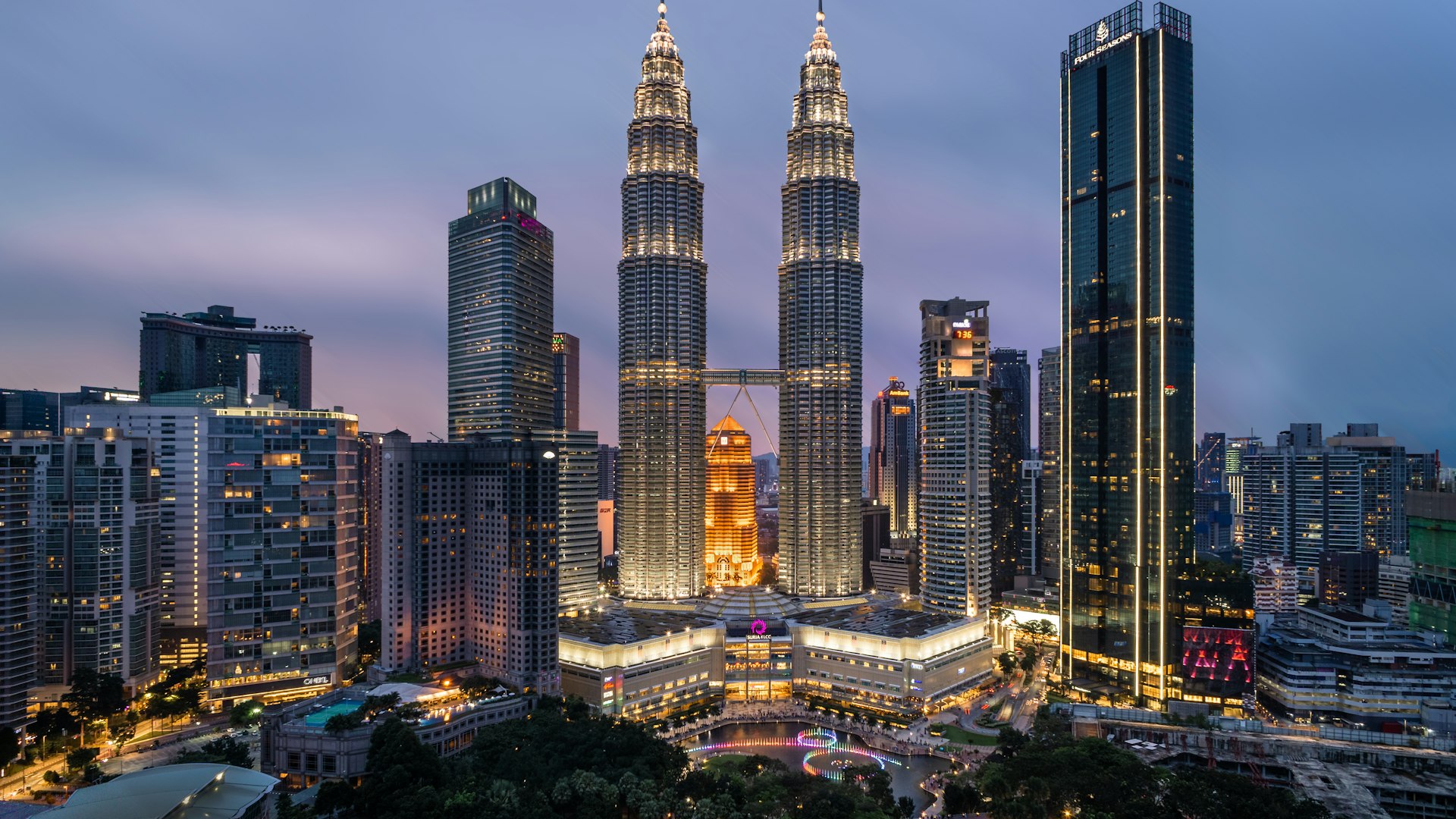
Kuala Lumpur is, by the standards of major world cities, a genuinely safe and easy place to visit or live. Violent crime against foreigners is rare, the city is welcoming and multicultural, English is widely spoken, and most visitors come and go without any trouble at all. But “safe” here comes with a few specifics worth understanding: petty theft — snatch theft above all — is the real day-to-day risk, a handful of scams target tourists, and Malaysia’s laws and customs are more conservative than many newcomers expect. This is an honest, non-alarmist guide to staying safe in KL in 2026, covering what actually matters rather than scaremongering.
Overall Safety
KL consistently ranks among the safer capital cities in Southeast Asia. You can walk around most central and tourist areas day and night, use public transport late, and carry a phone without constant worry. The police are present, the malls and transport hubs are well monitored, and the general atmosphere is relaxed and tourist-friendly. Most trips here are completely incident-free.
The honest caveat is that KL’s safety is the everyday, low-violence kind rather than a guarantee against opportunistic crime. The things that catch visitors out are almost never muggings — they’re snatch-theft on a quiet street, a pickpocket in a crowd, an overpriced taxi, or a legal or cultural misstep. Treat the city as very safe physically, stay alert to petty theft, and respect the local laws and customs, and your biggest problem is likely to be the heat.
It helps to understand why KL feels so safe. It’s a developed, modern capital with a large middle class, a heavy reliance on tourism and business travel, and an extensive network of malls, transport and CCTV across the centre. Firearms are tightly controlled, and the violent street crime that worries people in some big cities is genuinely uncommon here. The flip side of that development is petty, opportunistic theft — which is exactly where your attention should go.
Crime & Petty Theft
The signature KL crime to know about is snatch theft — thieves on motorcycles riding past and grabbing bags, phones or jewellery from pedestrians, sometimes dragging victims in the process. It’s the single most common crime affecting visitors, and it’s easily mitigated: walk with your bag on the side away from the road, keep straps across your body, don’t walk along the kerb staring at your phone, and stay especially aware on quieter streets and at night.
Beyond that, ordinary pickpocketing and bag-dipping happen in crowded places — Petaling Street (Chinatown), busy markets, packed LRT and Monorail carriages, and tourist hotspots. Keep your phone and wallet in front pockets or zipped bags, use the hotel safe for your passport and spare cash, and don’t leave valuables unattended on café tables. Theft from cars and unlocked rooms also occurs, so lock up. None of this is unusual for a big city — KL is no worse than most, and a few sensible habits remove almost all the risk.
One specific tip on snatch theft: if someone does grab your bag, let it go. The real danger isn’t losing the bag but being pulled off your feet or into traffic while holding on. Carry your daily essentials in a money belt or front pocket rather than a shoulder bag slung toward the road, and keep a backup of your cards and ID separately, so a snatch is an inconvenience rather than a crisis.
Areas to Be Aware Of
The vast majority of KL is perfectly safe to walk around, including all the main tourist and expat districts. A few areas just warrant a little more awareness, particularly after dark. Chow Kit, while central, characterful and cheap, has a long-standing red-light and drug-scene reputation in pockets at night — fine by day, but stay on the busier streets after dark. Parts of Pudu and the streets immediately around KL Sentral can feel rough late at night, and the bar strip of Changkat Bukit Bintang draws the usual nightlife mix of touts and the occasional pickpocket once the drinks are flowing.
None of these are dangerous no-go zones — they’re simply places to keep your wits about you, stick to well-lit main streets, and take a Grab rather than walking alone late. By day they’re as safe as anywhere. As a rule, KL rewards normal city common sense rather than fear: avoid deserted backstreets at night, don’t flash valuables, and you’ll be fine across the city.
It’s also worth a word on protests and political gatherings, which occasionally take place around Dataran Merdeka and the city centre. They’re usually peaceful, but as a foreigner it’s wise to avoid them — steer clear of large demonstrations, which can sometimes draw a heavy police response — and you’ll sidestep about the only real flashpoint KL throws up.
LGBTQ+ Safety
This needs to be stated plainly rather than glossed over. Malaysia is a conservative, Muslim-majority country, and same-sex sexual activity is illegal under Section 377 of the Penal Code, with severe penalties on the books. There is no legal recognition or protection on the basis of sexual orientation or gender identity, and public displays of affection — for anyone, but particularly same-sex couples — are culturally frowned upon and can draw unwanted attention.
In practice, KL is the most cosmopolitan and tolerant part of the country, and it has a discreet LGBTQ+ scene; LGBTQ+ travellers visit and live here, generally without incident, by being private in public. The realistic advice is to be informed and discreet: avoid public displays of affection regardless of orientation (the same standard effectively applies to everyone), be cautious with dating apps, and make a considered personal decision with the legal context clearly in mind. This is the honest legal reality rather than a reflection of how most people you’ll meet behave day to day.
Practically, trans and visibly gender-nonconforming travellers may face more scrutiny, and conservative attitudes are stronger outside cosmopolitan KL. Within the city, discretion is the operative word, and the large expat and tourist presence means foreigners going quietly about their lives attract little attention.
Women Travelling Alone
KL is generally a comfortable city for solo female travellers. Serious harassment is uncommon, the city is easy to navigate, and there’s good infrastructure aimed at women’s safety: the LRT and MRT have women-only carriages during busy periods, and women-only “pink” taxis are available. Many solo women report feeling at ease here, including using public transport in the evenings.
That said, normal precautions apply. Snatch theft is the main practical risk, so carry bags securely and stay aware on quieter streets. Dress a little more modestly around mosques and in more conservative or local neighbourhoods to avoid unwanted attention, be cautious accepting drinks from strangers in nightlife areas, and use Grab rather than unmarked taxis or walking alone late at night. Catcalling and staring can happen but are rarely threatening. With sensible habits, KL is one of the easier Southeast Asian capitals for women travelling on their own.
If you do feel uncomfortable, help is rarely far away: malls, hotels and transport stations are staffed and monitored, and security is easy to find. Many solo travellers also share their plans with someone and keep their accommodation address private with new acquaintances — sensible habits anywhere, and easy to maintain in a city this connected and well lit.
Scams to Watch
Serious crime is rare, but a handful of scams specifically target visitors:
- Taxi overcharging. The classic line is “meter broken,” followed by a wildly inflated fare. The simple fix is to skip street taxis entirely and use Grab, which locks the fare in the app before you travel.
- The gem or jewellery scam. A friendly, well-dressed stranger strikes up a conversation, becomes your instant new friend, and steers you toward a “one-day-only” gem or duty-free export deal you can supposedly flip for a huge profit back home. It’s worthless. Walk away from any unsolicited investment or shopping “opportunity.”
- Fake monks. People dressed as monks approach tourists soliciting donations or handing out trinkets and demanding money. Genuine monks don’t aggressively solicit cash from strangers on the street.
- Card-game and betting scams. A stranger invites you to a friendly game or a “sure thing” bet that’s rigged to fleece you. Decline politely and move on.
- ATM skimming and fake officials. Use ATMs inside banks or malls and cover the keypad, and be wary of anyone in plain clothes claiming to be police and demanding to see your money or documents.
- Padded bar tabs. Be cautious if a new acquaintance insists on taking you to one specific bar or club — a minority of venues hit unsuspecting tourists with enormous, inflated bills. Check prices before ordering, and be wary of anywhere you’ve been steered to by a stranger.
- Fake charity clipboards. Groups soliciting “donations” for a vague charity or association operate around tourist spots, and the money goes nowhere good. Give to registered charities instead of clipboard collectors.
Emergency Numbers
Malaysia’s emergency services are reachable from any phone, and operators generally speak English. Save these on arrival:
- Police & Ambulance — 999
- Fire & Civil Defence — 994
- From a mobile — 112 (works without a SIM or credit and connects to emergency services)
- Tourism Malaysia hotline — 1-800-88-5050 (general visitor assistance)
For anything serious, 999 is the number to remember. If you’re a foreign national caught up in a legal situation, contact your embassy or consulate as well. It’s also worth saving the address of your accommodation in Malay or with a map pin, which makes directing a Grab or the emergency services far easier.
It’s also worth registering with your embassy’s traveller programme if your country offers one, and keeping both a digital and a paper copy of your passport and visa. In a medical emergency, the major private hospitals have their own ambulance services and English-speaking staff, and are often the fastest option for urgent but non-life-threatening care.
Health & Medical
KL is a regional medical-tourism hub, and its private hospitals — Gleneagles, Subang Jaya Medical Centre (SJMC), Pantai and Prince Court among them — offer excellent, modern care at a fraction of Western prices, with English-speaking staff. A private GP visit costs RM30–80, and even hospital treatment is dramatically cheaper than in the US or Europe while meeting high standards. Pharmacies are widespread and well stocked.
A few practical health notes: tap water is treated but most residents and visitors drink filtered or bottled water on taste. The main local health consideration is dengue fever, a mosquito-borne illness present year-round in Malaysia — use repellent, especially around dawn and dusk and during the rainy season. KL’s heat and humidity are constant, so hydrate and pace outdoor activity, and the occasional regional “haze” from forest fires can affect air quality for those with respiratory conditions. No special vaccinations are required for most travellers beyond being up to date on routine ones, but check current advice before you fly.
For minor issues, private clinics and pharmacies are quick, cheap and walk-in, and pharmacists can advise on and dispense many medications without a prescription. Keep any regular medication topped up and in its original packaging, and pack a small kit for the basics — rehydration salts and mosquito repellent both earn their place in KL’s climate.
Travel & medical insurance for KL
KL’s private care is excellent and affordable for routine needs, but a serious illness, accident or evacuation can still run into real money — and you don’t want to pay out of pocket. SafetyWing Nomad Insurance is a flexible, monthly option built for travellers and digital nomads, covering medical care abroad and easy to start even after you’ve arrived.
The Bottom Line
Is Kuala Lumpur safe? Yes — genuinely, for the overwhelming majority of visitors and expats. The risks worth your attention are petty rather than violent: keep a firm hold on your bag against snatch theft, use Grab instead of street taxis, brush off the gem-and-monk scams, and respect Malaysia’s more conservative laws and customs. Do that, carry decent insurance, drink plenty of water, and KL is likely to feel like one of the easiest, friendliest cities you visit. For more on settling in, see our Kuala Lumpur digital nomad guide and the cost of living in Kuala Lumpur.