
Kuala Lumpur doesn’t get the attention it deserves as a digital nomad base. Most people pass through on the way to Bali or Bangkok, spend a few days in KLCC, and move on. That’s a mistake. KL offers a combination of cheap living, fast internet, world-class food, genuinely good coworking infrastructure, and a visa situation (the DE Rantau Nomad Pass) that legitimises your stay in a way most Southeast Asian countries don’t. This guide is the complete picture for 2026.
Kuala Lumpur doesn’t get the attention it deserves as a digital nomad base. Most people pass through on the way to Bali or Bangkok, spend a few days in KLCC, and move on. That’s a mistake. KL offers a combination of cheap living, fast internet, world-class food, genuinely good coworking infrastructure, and a visa situation (the DE Rantau Nomad Pass) that legitimises your stay in a way most Southeast Asian countries don’t. This guide is the complete picture for 2026.
Why KL Works for Digital Nomads
The short version: KL gives you 80% of what Singapore offers at 40% of the cost, with better food and a more relaxed pace. It’s a proper city — not a beach resort trying to be one — with an MRT system that works, a food scene that is genuinely world-class (Kuala Lumpur’s hawker and kopitiam culture is arguably better than Singapore’s), fast home and mobile internet, and private healthcare that would cost five times as much in the UK or Australia.
The downsides are real too: traffic is brutal if you’re not near an MRT line, the city sprawl makes neighbourhood choice important, and English is widely spoken but you’ll encounter more friction in everyday interactions than in Singapore. But for the right person — someone who wants a functional, affordable, interesting Asian city with good infrastructure and no beach-town chaos — KL is hard to beat.
The DE Rantau Nomad Pass
Malaysia’s digital nomad visa is called the DE Rantau Nomad Pass and it’s one of the better-designed programmes in the region. Introduced in 2022, it gives you 12 months in Malaysia (renewable for another 12) with the legal right to work remotely for foreign employers or clients.
| Item | Details |
|---|---|
| Requirements | Minimum annual income of USD 24,000 (USD 2,000/month), verifiable through bank statements, contracts, or invoices. Health insurance covering Malaysia. Application via the MDEC portal. Fee: MYR 1,000 (approximately USD 215). |
| Processing | 4–8 weeks typically. The application is document-heavy but manageable. You cannot start the application from within Malaysia on a tourist stamp — apply before you arrive or during a brief exit. |
For the full visa breakdown including tourist entry, extensions, and long-term options, see our KL Visa Guide 2026.
Internet and Connectivity
Internet in KL is fast, cheap, and reliable. Home fibre plans run MYR 80–130/month (USD 17–28) for speeds of 300Mbps–1Gbps. The main providers are Unifi (TM), Maxis, Celcom, and TIME — TIME in particular has a strong reputation for reliability and speed in the areas it covers (primarily urban KL and Klang Valley).
Mobile data is very affordable. Unlimited data plans start from around MYR 50–80/month. 4G coverage is excellent across urban KL; 5G is rolling out. Good SIM options for nomads: Hotlink Prepaid (Maxis), Yoodo, or U Mobile — all offer good value prepaid data plans.
Coworking spaces and cafes generally have reliable WiFi. KL doesn’t have Bali’s “will the WiFi hold up for a Zoom call?” anxiety — connectivity is consistently solid.
Cost of Living
KL is genuinely affordable for someone earning in a strong currency. Here’s a realistic monthly budget breakdown for a solo digital nomad:
| Item | Details |
|---|---|
| Budget (condo room, mix of mamak and cooking) | MYR 2,500–3,500/month (USD 540–760) |
| Mid-range (studio or 1BR, eating out regularly) | MYR 4,000–6,000/month (USD 870–1,300) |
| Comfortable (good 1BR, gym, coworking, dining out) | MYR 6,000–9,000/month (USD 1,300–1,950) |
The dominant cost is rent. Food is cheap even at restaurant level — a proper sit-down meal at a decent restaurant rarely exceeds MYR 60–80 per person, and the mamak (Indian-Muslim hawker stall) around the corner will feed you well for MYR 8–12. Transport on the MRT/LRT/Monorail is also very cheap — most city journeys cost MYR 1–4.
Best Neighbourhoods for Digital Nomads
Mont Kiara
The expat neighbourhood par excellence — international schools, international supermarkets (Jaya Grocer, Village Grocer), gyms, cafes, and a large community of long-term foreign residents. Quiet, safe, and well-serviced but car-dependent and doesn’t have much of a local Malaysian character. If you have a family or want to be around other expats, this is the natural choice. Pricier than most KL neighbourhoods but still affordable by Singapore or Bangkok standards.
KLCC / Bukit Bintang
Central KL — towers, malls, embassies, most of the upmarket hotels and serviced apartments. Expensive relative to other KL areas but walkable to a lot, well-connected by MRT, and puts you in the middle of everything. Good for shorter stays or those who want maximum convenience. The Jalan Alor and Changkat Bukit Bintang areas give you food and nightlife on your doorstep.
Bangsar
A step down in price from KLCC but still upmarket by KL standards. Bangsar has a strong cafe culture, good restaurants, a mix of expats and urban Malaysians, and a more neighbourhood feel than the tower district. Bangsar South (Sri Pentas area) has newer condo developments and good value for money. Well-connected to KL Sentral by LRT or Uber.
Chow Kit / Titiwangsa
Affordable, local, and connected to the city by multiple MRT lines. Less polished than Bangsar or Mont Kiara but genuinely interesting — a mix of Malaysian Chinese, Indian, and Malay communities, good street food, and cheap rent. Worth considering if you want to live in the city rather than an expat bubble and are comfortable with a rougher urban environment.
Petaling Jaya (PJ)
Technically a separate city in the Klang Valley but functionally part of greater KL. Damansara Utama, SS2, and Taman Jaya are popular with the young professional crowd. Good food, decent transport (Kelana Jaya LRT), and significantly cheaper rent than central KL. A bit sprawling and car-friendly in its layout, but improving with newer transit connections.
Coworking Spaces
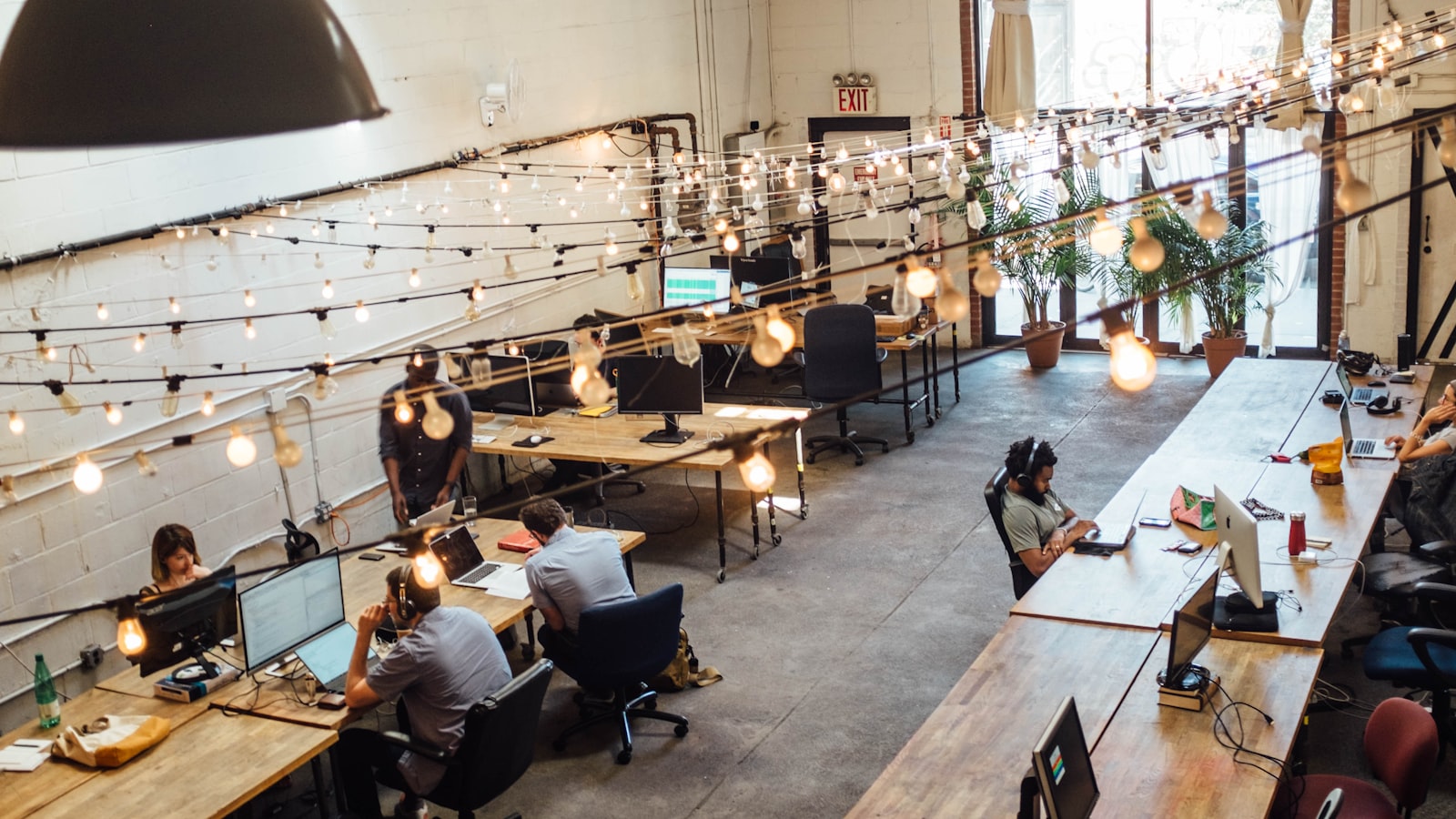
KL has a well-developed coworking market across all price points. Major players include Colony (KL’s premium local coworking brand), WeWork (KLCC), Common Ground, Spaces, and WORQ. Day passes typically run MYR 50–100; monthly hot desks MYR 400–900. Most spaces have private meeting rooms, printing, and fast WiFi as standard.
The cafe-working culture is also strong — KL has an excellent independent cafe scene, particularly in Bangsar, Damansara, and the Chow Kit/Masjid India area. Most cafes are accustomed to laptop workers and have reliable WiFi. Check the No Laptop signs (increasingly common in busier specialty coffee shops) but most of the city is laptop-friendly.
Healthcare
KL has genuinely excellent private healthcare — Gleneagles, Prince Court, and Pantai are all world-class facilities at a fraction of Western prices. A specialist consultation that would cost USD 300 in the US runs about USD 50–80 here. SafetyWing Nomad Insurance is adequate for emergency coverage; a comprehensive international plan gives you full access to KL’s private system.
For the full breakdown, see our KL Healthcare Guide 2026.
Food: The Real Reason to Be in KL
Kuala Lumpur has one of the world’s great food cities and it’s consistently underrated. The hawker and kopitiam culture — Indian, Malay, and Chinese food coexisting in cheap, open-air settings — is extraordinary. Nasi lemak, char kway teow, roti canai, laksa, bak kut teh, dim sum, and everything in between, often available 24 hours, often costing MYR 5–15.
The restaurant scene has matured significantly — there are now genuine fine dining options, excellent Japanese, Korean, and Middle Eastern restaurants, and a coffee culture that’s caught up with specialty coffee trends. Bangsar and Damansara Uptown are the main hubs for the cafe and mid-range restaurant scene.
Alcohol is available but more expensive than in most Southeast Asian cities — Malaysia’s Muslim majority population and associated taxation pushes prices up. A beer at a bar costs MYR 18–30; a bottle of wine at a restaurant MYR 100–200+. Supermarket alcohol (available at non-halal stores and Chinese supermarkets) is much cheaper.
Getting Around
KL’s public transport has improved dramatically. The MRT, LRT, Monorail, and KTM Komuter form a reasonable network across the city — if you choose a neighbourhood with MRT access, you can live car-free. Grab (ride-hailing) fills the gaps efficiently and is very affordable. Traffic congestion is severe during peak hours (7–9am, 5–8pm) and the one-way road system can make even short trips slow by car.
Walking is limited by infrastructure and heat — KL is not a walkable city in the European sense, and the humidity (31–33°C year-round) makes outdoor movement in the middle of the day uncomfortable. Mall-to-mall walking via air-conditioned links is how most people navigate the central areas.
KL as a Regional Hub
KLIA is a major regional hub — well-connected to the rest of Southeast Asia, South Asia, and East Asia with AirAsia making it one of the cheapest airports in the region to fly out of. Singapore is 50 minutes by air or 4 hours by bus. Bangkok is 2 hours. Bali is 2.5 hours. If your work takes you around the region, KL’s central position and flight options are a genuine asset.
Is KL Right for You?
| Item | Details |
|---|---|
| KL works well for | Nomads who want a city base rather than a beach town; people earning USD 2,000+/month who want genuine city amenities at low cost; those who care about food above most other things; people who want to use the DE Rantau visa to legitimise their stay; families and couples who want good schooling, healthcare, and infrastructure. |
| KL is less suited to | Pure beach lifestyle seekers (the nearest beach requires travel); those who want walkable neighbourhood living; people on very low budgets (Chiang Mai or smaller Indonesian cities are cheaper); anyone who needs the buzz of a truly international expat scene (Bangkok and Singapore have denser nomad communities). |
Related Guides
See also: KL Visa Guide 2026 | KL Healthcare Guide | Moving to Kuala Lumpur | Bali Digital Nomad Guide | Bangkok Digital Nomad Guide
Frequently Asked Questions
Why KL Works for Digital Nomads
The short version: KL gives you 80% of what Singapore offers at 40% of the cost, with better food and a more relaxed pace.
The DE Rantau Nomad Pass
Malaysia’s digital nomad visa is called the DE Rantau Nomad Pass and it’s one of the better-designed programmes in the region.
Internet and Connectivity
Internet in KL is fast, cheap, and reliable.
Cost of Living
KL is genuinely affordable for someone earning in a strong currency.
Best Neighbourhoods for Digital Nomads
The expat neighbourhood par excellence — international schools, international supermarkets (Jaya Grocer, Village Grocer), gyms, cafes, and a large community of long-term foreign residents.
Coworking Spaces
KL has a well-developed coworking market across all price points.