
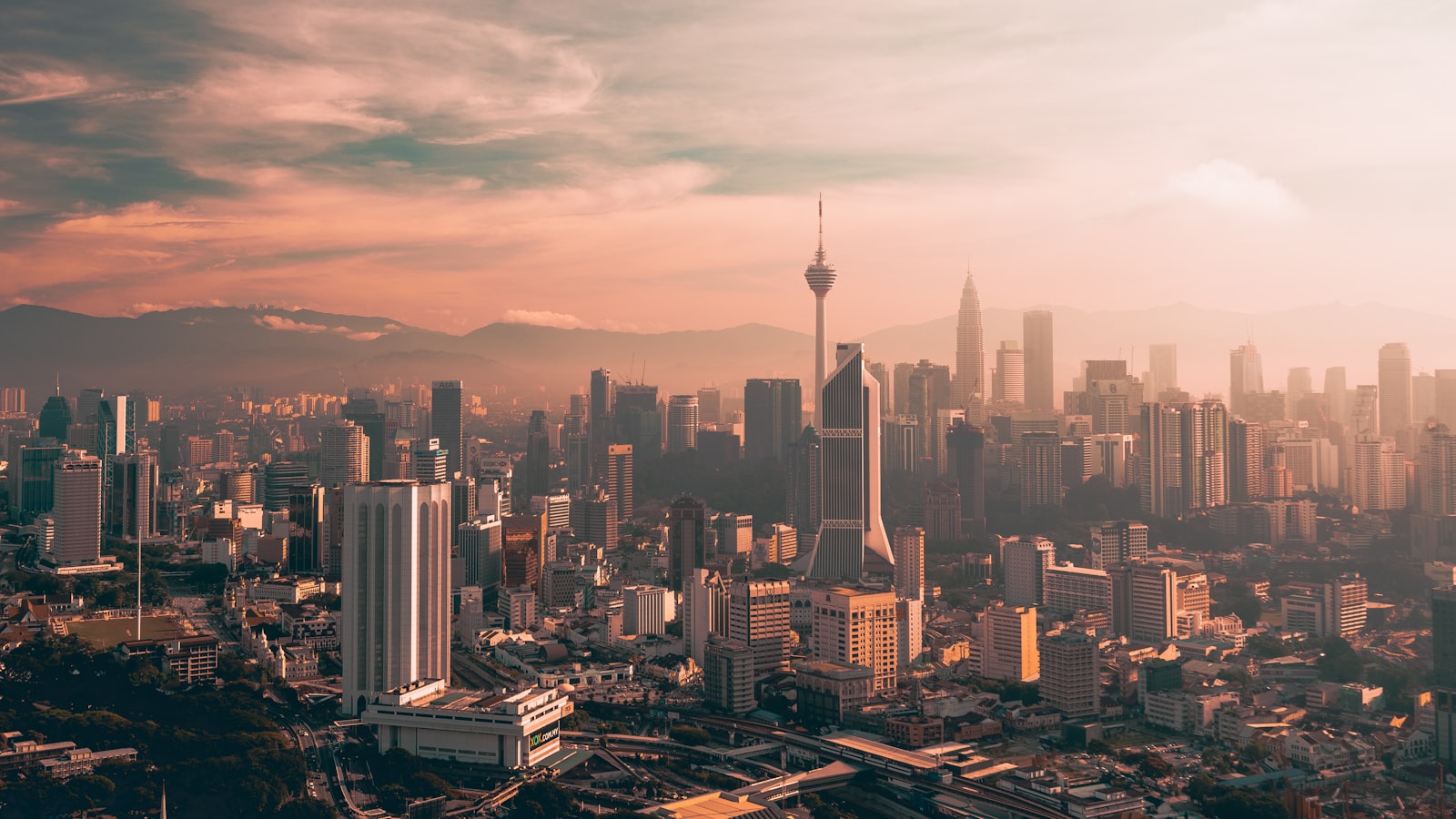
Kuala Lumpur is one of the easiest and best-value cities in Asia to base yourself, but where you stay shapes the experience completely — from a glittering condo under the Petronas Towers to a leafy expat enclave or a gritty, authentic old quarter. Rents and hotel rates here are low by global standards, so you get more for your money than in Bangkok or Singapore, but the trade-offs between convenience, transport and atmosphere are real. This is an honest breakdown of KL’s main areas for expats, digital nomads and long-stay visitors in 2026, with approximate nightly rates in ringgit (MYR), who each area suits, and the downsides nobody mentions. Figures move with season and demand, so treat them as a starting point.
A quick orientation helps. KL’s centre is compact and walkable in stretches, knitted together by the LRT, MRT and Monorail lines, with KLCC and Bukit Bintang forming the tourist core. The more residential, expat-favoured districts — Bangsar to the south-west, Mont Kiara to the north-west — sit a short ride out, trading central buzz for space and a more local pace. Keep that simple map in mind and the choice below comes down to how central you need to be versus how much room and quiet you want.
KLCC
The vibe: The polished heart of the city, built around the Petronas Towers, the Suria KLCC mall and the park. High-rise condos, five-star hotels and corporate towers dominate, and everything feels new, glossy and international. It’s the most prestigious address in KL and looks the part.
Who it suits: First-time visitors and professionals who want to be in the middle of everything, with the city’s best hotels, malls and dining on the doorstep. Ideal if convenience and a landmark view matter more than local character or price.
Price range: Hotels typically run RM250–700 a night across mid-range to luxury, with serviced apartments a strong option for longer stays; monthly condo rentals sit around RM2,800–5,000 for a one-bedroom with pool and gym.
Transport: Served by the KLCC LRT station on the Kelana Jaya line, with covered walkways linking to Bukit Bintang. Central and walkable, though the heat limits how far you’ll stroll.
Downsides: It’s the priciest part of the city, can feel corporate and a little sterile after dark, and the immediate area is more about malls and towers than street life. You pay a premium for the postcode. Day to day, KLCC is effortless if your priorities are the towers, the malls and a short commute to the business district — just don’t expect much in the way of hawker stalls or street life on your doorstep.
Check KLCC hotels on Booking.com →
Bukit Bintang
The vibe: KL’s buzzing entertainment and shopping district — neon, malls, street food on Jalan Alor, and the bar strip of Changkat all packed into a walkable grid. It’s louder, denser and more touristy than KLCC, and it never really stops.
Who it suits: Visitors who want nightlife, shopping and food within stumbling distance, and travellers who value energy and convenience over quiet. The single most popular base for short-stay tourists, and well set up for it.
Price range: The widest spread in the city — backpacker hostels and budget rooms from RM60–120, solid mid-range hotels at RM150–300, and a handful of luxury towers above that. Excellent value for what you get.
Transport: Exceptionally well connected, with the Bukit Bintang MRT station, the KL Monorail and covered walkways to KLCC. You can reach most of the city without a Grab.
Downsides: Crowded, noisy and a little seedy in patches, especially late at night around the bar streets. Not the place for peace and quiet, and the constant tourist churn means it can feel less like a neighbourhood than a destination. That said, for a few days of eating, shopping and going out with zero planning, nowhere in KL makes life easier — you can do almost everything on foot or one quick train hop.
Check Bukit Bintang hotels on Booking.com →
Bangsar
The vibe: KL’s trendy, expat-favoured neighbourhood — leafy residential streets wrapped around a compact hub of cafés, wine bars, boutiques and some of the city’s best restaurants. It feels grown-up, relaxed and genuinely local in a way the tourist districts don’t.
Who it suits: Longer-stay visitors, remote workers and expats who want a liveable, café-rich base with a real community feel, and don’t mind being a short ride from the headline sights. A favourite for people who end up staying in KL a while.
Price range: Fewer hotels and more serviced apartments and condos; nightly rates run around RM180–350, and monthly one-bedroom rentals sit roughly RM2,000–3,500. Strong value for the lifestyle.
Transport: The Bangsar LRT station connects to the centre, and the MRT is close by, though the dining-and-bar hub of Bangsar Village is a short Grab or walk from the station. Manageable without a car.
Downsides: Quieter and more residential than the tourist zones, so it’s less convenient for first-timers ticking off sights, and the best of it is spread out enough that you’ll use Grab more than you might expect. Settle in, though, and Bangsar quickly feels like home: weekend markets, familiar coffee spots and a community of locals and long-stay expats give it a rhythm the tourist areas lack.
Check Bangsar hotels on Booking.com →
Mont Kiara
The vibe: A modern, master-planned expat enclave of high-rise condos, international schools and Western-friendly malls. It’s clean, green, family-oriented and very international — popular with relocating professionals and families rather than tourists. Quiet and comfortable rather than exciting.
Who it suits: Families, long-term expats and anyone prioritising space, modern condos with full facilities, and an easy international lifestyle over central buzz. The default landing spot for many newcomers on a relocation package.
Price range: Dominated by serviced apartments and condos rather than hotels; nightly serviced-apartment rates run around RM150–300, and spacious monthly one- and two-bedroom rentals sit roughly RM2,500–4,500, often with excellent facilities.
Transport: The catch — Mont Kiara is not directly on the LRT or MRT, so you’ll rely on Grab or a car for most journeys, and traffic in and out can be heavy at peak times. Plan around the lack of rail.
Downsides: The weak public-transport links and car dependence are the real drawback, and the area can feel a little bland and bubble-like — comfortable and convenient for residents, but short on the street life and character that draw people to KL in the first place. For families weighing schools, pools and space against atmosphere, though, the trade is usually worth it, and the international supermarkets and amenities make daily life genuinely easy.
Check Mont Kiara hotels on Booking.com →
Chow Kit & Masjid India
The vibe: Old, local and unpolished — a dense, multicultural quarter of wet markets, textile shops, cheap eateries and budget hotels just north of the centre. It’s the most authentic and affordable area on this list, and the least sanitised.
Who it suits: Budget travellers and curious long-stayers who want a central location, rock-bottom prices and a real, lived-in slice of KL, and who don’t need polish or nightlife. Excellent value if you know what you’re getting.
Price range: The cheapest of the lot — clean budget hotels and guesthouses from RM70–180 a night, with simple monthly rentals well below the smarter districts. Your ringgit stretches furthest here.
Transport: Well served by the Chow Kit Monorail station and nearby LRT, putting you a short hop from KLCC and Bukit Bintang. Central and connected despite the lower prices.
Downsides: Busy, worn and chaotic in places, with a grittier feel after dark that not everyone will be comfortable with. It trades comfort and gloss for price and authenticity — a great deal if that’s the trade you want. By day the markets and street kitchens are a genuine highlight; by night, stick to the busier, well-lit streets and you’ll be fine.
Check Masjid India hotels on Booking.com →
Compare the Areas
| Area | Vibe | Nightly rate (MYR) | Best for | Transport |
|---|---|---|---|---|
| KLCC | Glossy, central, upscale | RM250–700 | Convenience & landmark views | LRT (KLCC) |
| Bukit Bintang | Buzzing, nightlife & shopping | RM60–300 | Tourists & first-timers | MRT + Monorail |
| Bangsar | Trendy, leafy, expat | RM180–350 | Long-stay & café lovers | LRT (+ Grab) |
| Mont Kiara | Modern expat enclave | RM150–300 | Families & relocators | No rail (Grab/car) |
| Chow Kit & Masjid India | Local, gritty, budget | RM70–180 | Budget & authenticity | Monorail + LRT |
How to Choose
The decision usually comes down to how long you’re staying and what you want from your days. For a short trip focused on sights, shopping and food, Bukit Bintang is the obvious pick — central, superbly connected, great value and endlessly lively. If you want the prestige, polish and a landmark on your doorstep, and don’t mind paying for it, KLCC delivers, with the city’s best hotels and an easy walk to the towers.
For a longer stay or a more local life, the calculation shifts. Bangsar is the sweet spot for digital nomads and expats who want cafés, community and a relaxed pace while staying connected by rail. Mont Kiara suits families and relocators who prioritise space and modern condos and don’t mind depending on Grab. And if budget is the priority — or you simply want the most authentic, central base for your money — Chow Kit and Masjid India are unbeatable on price. The single most useful filter is the same one that defines KL life: do you need the train, or are you happy in a Grab? Answer that and the shortlist narrows fast.
It’s also worth putting KL’s prices in context. Even the city’s upscale areas cost a fraction of what you’d pay in Singapore or Hong Kong, and noticeably less than Bangkok in many cases, so the gap between “budget” and “comfortable” here is small in absolute terms. That means it often pays to stretch slightly — a central, well-connected base in KLCC or Bukit Bintang, or a smart serviced apartment in Bangsar or Mont Kiara, rarely breaks the bank, and the quality-of-life difference over a long stay is significant. For the full breakdown, see our cost of living in Kuala Lumpur guide.
Practical Notes
A few things worth knowing before you book. KL rents and hotel rates are low, but they swing with demand around major events, school holidays and festivals like Chinese New Year, so book ahead for those. For stays of a month or more, serviced apartments and condos booked directly or through local agents are far better value than hotels, and many come fully furnished with pool, gym and security. Always confirm what’s included — utilities and wifi sometimes aren’t — and view before paying a deposit where you can. For month-plus stays, compare direct condo rentals (via local agents or platforms like iProperty and Airbnb’s monthly rates) against serviced-apartment operators: the former is usually cheaper, the latter more flexible and hands-off. Either way, KL’s low prices mean even a comfortable setup with a pool, gym and a central location costs a fraction of the equivalent in most major Asian cities.
KL is a comfortable, easy city, but normal travel sense applies: use Grab rather than unmarked taxis, keep an eye on belongings in busy markets, and factor the heat and sudden downpours into your plans. A note on getting between areas: the rail network covers KLCC, Bukit Bintang, Bangsar and Chow Kit well, but cross-town journeys often still involve a quick Grab, which is cheap enough (typically RM8–20) that most residents mix the two freely. If you’re choosing between a slightly cheaper place off the rail lines and a pricier one on them, factor in how often you’ll be paying for those rides. Decent travel and medical insurance is worth having wherever you stay — SafetyWing Nomad Insurance is a flexible, monthly option built for travellers and digital nomads, covering medical care abroad and easy to start even after you’ve arrived.
Whichever area you choose, KL makes settling in unusually painless — it’s affordable, friendly and well connected. For the bigger picture on living costs and the practicalities of basing yourself here, see our guide to moving to Kuala Lumpur and the Kuala Lumpur digital nomad guide, and our area-by-area Kuala Lumpur neighbourhoods guide.
Booking your stay in KL?
SafetyWing Nomad Insurance is a solid default for travellers and remote workers.
Frequently Asked Questions
KLCC
The vibe: The polished heart of the city, built around the Petronas Towers, the Suria KLCC mall and the park.
Bukit Bintang
The vibe: KL’s buzzing entertainment and shopping district — neon, malls, street food on Jalan Alor, and the bar strip of Changkat all packed into a walkable grid.
Bangsar
The vibe: KL’s trendy, expat-favoured neighbourhood — leafy residential streets wrapped around a compact hub of cafés, wine bars, boutiques and some of the city’s best restaurants.
Mont Kiara
The vibe: A modern, master-planned expat enclave of high-rise condos, international schools and Western-friendly malls.
Chow Kit & Masjid India
The vibe: Old, local and unpolished — a dense, multicultural quarter of wet markets, textile shops, cheap eateries and budget hotels just north of the centre.
How to Choose
The decision usually comes down to how long you’re staying and what you want from your days.