
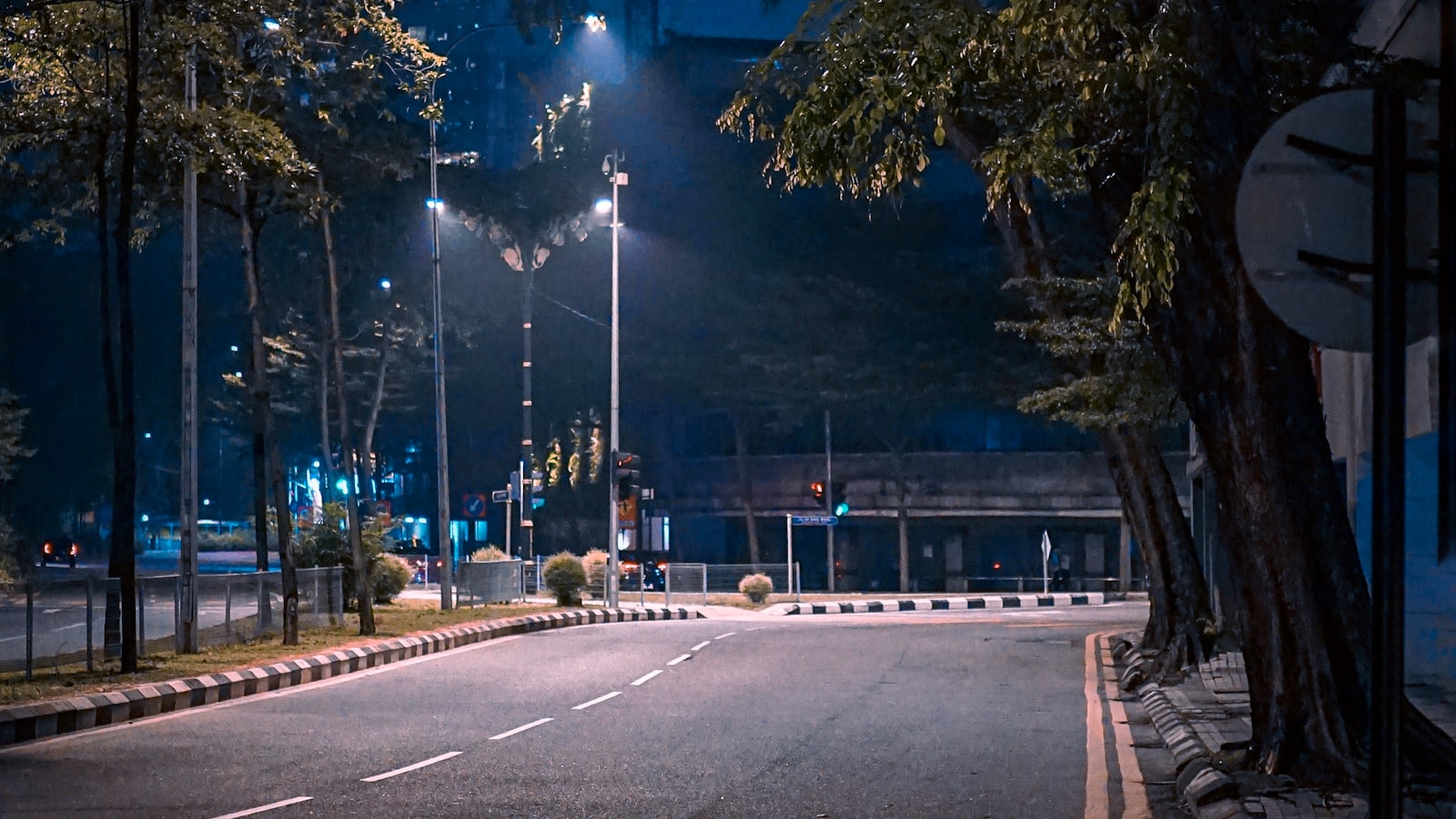
Kuala Lumpur isn’t really one city — it’s a loose collection of very distinct zones, strung along a rail network and separated as much by character as by distance. Where you base yourself shapes your whole experience of the place: your commute, your budget, your social life and whether your days feel glossy and central or leafy and local. This is an honest, lived-in breakdown of KL’s main neighbourhoods for expats, digital nomads and long-stay visitors in 2026 — who each one actually suits, what you’ll pay in monthly rent (in ringgit), how you’ll get around, and the downsides the listing sites won’t tell you. Rents are approximate one-bedroom figures and move with demand, so treat them as a starting point.
A quick orientation helps before the profiles. KL radiates out from the central Golden Triangle — KLCC and Bukit Bintang — with the older quarters to the north and west and the expat suburbs of Bangsar, Mont Kiara and Ampang ringing the centre. The rail lines tie most of it together, and which line you live on matters nearly as much as which neighbourhood. Keep that rough map in mind and the choices below fall into place.
KLCC
The vibe: The prestige heart of the city — high-rise condos clustered around the Petronas Towers, the Suria mall and the park, all gleaming towers and skybridges. It’s the most internationally recognisable address in KL and feels new, polished and corporate.
Who it suits: Professionals working in the centre and newcomers who want to be in the thick of it, with the best malls, hotels and dining on the doorstep. Ideal if convenience and a landmark view outrank price or local character.
Monthly rent: Around RM2,800–4,500 for a one-bedroom, the top of the city’s range, with newer towers and tower views pushing higher.
Transport: The KLCC station on the Kelana Jaya LRT line serves it directly, with covered walkways to Bukit Bintang. Central and walkable, though the heat caps how far you’ll stroll.
Downsides: It’s the priciest area, can feel sterile and business-like after office hours, and the immediate surroundings are more mall-and-tower than street life. You pay a clear premium for the postcode, and everyday errands can mean a walk to find a humble hawker stall.
Day to day: Living in KLCC means the towers, the park and the mall are your backyard, and your commute — if you work centrally — barely exists. The flip side is that it can feel like living in a showcase rather than a neighbourhood: great for a year of frictionless city life, less so if you want roots and a local kopitiam on the corner.
Bukit Bintang
The vibe: KL’s buzzing entertainment core — neon, mega-malls, the street food of Jalan Alor and the bar strip of Changkat, all crammed into a walkable grid that never quite switches off. Louder and more touristy than KLCC, and proud of it.
Who it suits: People who want nightlife, shopping and food within stumbling distance, and who value energy and convenience over peace and quiet. A popular landing spot for shorter stays and first-timers.
Monthly rent: Roughly RM2,000–3,500 for a one-bedroom, with a wide spread from older blocks to smart serviced residences — generally better value than neighbouring KLCC.
Transport: Exceptionally well connected, with the Bukit Bintang MRT, the Monorail and covered walkways linking to KLCC. You can reach most of the city without a Grab.
Downsides: Crowded, noisy and a little seedy in patches around the bar streets late at night. It’s a place to live in the middle of the action rather than to find calm, and the constant tourist churn can make it feel less like a settled neighbourhood.
Day to day: The appeal is that everything is on foot — dinner, drinks, the mall, the metro — and you rarely have to plan. The cost is the constant noise and crowds, so light sleepers and anyone craving calm should look at a quieter block set back from Changkat, or pick Bangsar instead.
Bangsar
The vibe: KL’s trendy, expat-favoured enclave — leafy residential streets wrapped around a compact hub of cafés, wine bars, boutiques and excellent restaurants. It feels grown-up, relaxed and genuinely local, and it’s where a lot of long-termers gravitate.
Who it suits: Remote workers, expats and anyone after a liveable, café-rich base with real community and a slower pace, who doesn’t mind being a short ride from the headline sights.
Monthly rent: Around RM2,000–3,500 for a one-bedroom, with a mix of older low-rises and smart newer condos; strong value for the lifestyle on offer.
Transport: The Bangsar LRT station on the Kelana Jaya line connects to the centre, with the MRT nearby, though the dining-and-bar hub of Bangsar Village is a short walk or Grab from the station.
Downsides: Quieter and more residential than the tourist zones, so it’s less convenient for sightseeing, and the best of it is spread out enough that you’ll use Grab more than you’d expect. Its popularity also means the good spots get busy at weekends.
Day to day: Bangsar quickly feels like home — a regular café, a familiar face at the bar, weekend markets and a community of locals and long-stay expats. You’ll Grab into the centre now and then, but most of what you need day to day sits within the neighbourhood, which is exactly why people stay.
Mont Kiara
The vibe: A modern, master-planned expat bubble of high-rise condos, international schools and Western-friendly malls. Clean, green, family-oriented and very international — comfortable and convenient rather than exciting or characterful.
Who it suits: Families, longer-term expats and anyone prioritising space, modern condos with full facilities and an easy international lifestyle over central buzz. The default for many relocating professionals.
Monthly rent: Roughly RM2,500–4,000 for a one-bedroom, with spacious two- and three-bed family units widely available and good facilities the norm.
Transport: The weak point — Mont Kiara isn’t directly on the LRT or MRT, so you’ll rely on Grab or a car, and the roads in and out clog at peak times. Plan around the lack of rail.
Downsides: The car dependence is the real drawback, and the area can feel a little bland and detached from the rest of the city — a comfortable expat enclave that’s short on the street life and grit that give KL its flavour.
Day to day: Life here revolves around the condo and the malls — a morning swim, the international supermarket run, the school drop-off, dinner at one of the many Korean or Japanese restaurants. It’s smooth and comfortable, but you’ll spend real time in the car, and the wider city can feel a world away.
Chow Kit & Masjid India
The vibe: Old, local and unpolished — a dense, multicultural quarter of wet markets, textile shops, cheap eateries and budget hotels just north of the centre. It’s the most authentic and affordable area here, and the least sanitised.
Who it suits: Budget-minded long-stayers and culture-seekers who want a central location, rock-bottom prices and a real, lived-in slice of KL, and who don’t need polish or nightlife.
Monthly rent: The cheapest on this list — roughly RM1,200–2,000 for a one-bedroom, with simple rooms and older units bringing it lower still.
Transport: Well served, with the Chow Kit Monorail station and the Medan Tuanku and Bandaraya stops nearby, putting KLCC and Bukit Bintang a short hop away. Central and connected despite the low prices.
Downsides: Busy, worn and chaotic in places, with a grittier feel after dark that won’t suit everyone. It trades comfort and gloss for price and authenticity — a great deal if that’s the trade you want, less so if you crave modern condo living.
Day to day: You wake up in the real, working KL — markets, street kitchens, a dozen languages on one block. Your money goes furthest here and the food is superb and cheap, but you trade gloss for grit, and the area rewards people who find that energising rather than wearing.
Ampang
The vibe: The historic embassy district and one of KL’s established expat areas, just east of KLCC. It’s a mix of leafy older residential streets, diplomatic missions, international restaurants and a long-standing Korean and Japanese community, with a more settled, suburban feel.
Who it suits: Families and longer-term expats who want space and a quieter, established neighbourhood within easy reach of the centre, plus anyone drawn by the excellent East Asian dining the area is known for.
Monthly rent: Around RM2,000–3,500 for a one-bedroom, spanning older landed homes and apartments through to newer KLCC-adjacent condos at the higher end.
Transport: Served by the Ampang Park and KLCC LRT stations at the city end and the Ampang Line further out, though the more residential stretches lean on Grab. Close enough to KLCC to walk in parts.
Downsides: Sprawling and variable — some pockets are leafy and convenient, others car-dependent and tired — so it pays to pick your specific street carefully. Less of a walkable hub than Bangsar or Bukit Bintang.
Day to day: Ampang suits a settled, quieter routine — a leafy street, easy access to KLCC, and some of the best Korean and Japanese food in the city on your doorstep. Just choose your specific spot with care, as the area swings from walkable and convenient to distinctly car-dependent within a few kilometres.
A Few More Areas Worth Knowing
The six above cover most newcomers, but a handful of others deserve a mention. KL Sentral and Brickfields (KL’s Little India) wrap around the main transport hub, making them supremely connected and handy for anyone who travels a lot, if light on charm. Bangsar South, with KL Eco City and Mid Valley nearby, offers newer condos and a tech-and-business crowd at noticeably lower rents than KLCC, plus its own MRT and LRT access. TTDI (Taman Tun Dr Ismail) is a beloved, leafy residential pocket by the MRT with a strong local food scene, popular with families after a village feel. And Cheras, to the south-east, trades centrality for space and value with good MRT coverage. If price and space matter more than postcode, these outer options are where many longer-term residents quietly end up. They lack the cachet of KLCC or the buzz of Bukit Bintang, but for sheer value — more space, newer buildings and lower rent within reach of a station — they are often the smart long-term play once the novelty of being central wears off.
Compare the Neighbourhoods
| Neighbourhood | Vibe | Monthly rent (1-bed) | Best for | Nearest rail |
|---|---|---|---|---|
| KLCC | Glossy, central, corporate | RM2,800–4,500 | Convenience & prestige | KLCC (LRT) |
| Bukit Bintang | Buzzing, nightlife & shopping | RM2,000–3,500 | Action & first-timers | Bukit Bintang (MRT/Monorail) |
| Bangsar | Trendy, leafy, expat | RM2,000–3,500 | Long-stay & café life | Bangsar (LRT) |
| Mont Kiara | Modern expat enclave | RM2,500–4,000 | Families & space | None (Grab/car) |
| Chow Kit & Masjid India | Local, gritty, budget | RM1,200–2,000 | Budget & authenticity | Chow Kit (Monorail) |
| Ampang | Established, embassy, leafy | RM2,000–3,500 | Families & East Asian food | Ampang Park (LRT) |
How to Choose
The decision usually comes down to three levers: budget, lifestyle and commute. If you want to be in the centre of everything and don’t mind paying for it, KLCC and Bukit Bintang put you in the thick of the action — KLCC for polish, Bukit Bintang for energy and better value. If you’re here for the longer haul and want a liveable, local base with cafés and community, Bangsar is the standout, with Ampang a quieter, more established alternative.
For families and anyone prioritising space and modern facilities over street life, Mont Kiara is the obvious pick — provided you’re comfortable depending on a car or Grab. And if budget is the priority, or you simply want the most central, authentic KL your ringgit can buy, Chow Kit and Masjid India are unbeatable on price. The single most useful filter is the one that quietly governs KL life: do you need to be on a rail line, or are you happy in a Grab? Answer that honestly and the shortlist narrows fast — it’s the difference between a frictionless daily routine and a lot of small, recurring trips. For the full numbers behind each option, see our Kuala Lumpur cost of living guide, and for specific buildings and hotels, the where to stay in Kuala Lumpur guide.
One more practical note: rents in KL are often negotiable, especially on longer leases and in buildings with high vacancy, so view a few units and make an offer rather than taking the first asking price. And visit at different times of day before committing — a street that’s serene at noon can be a traffic bottleneck at 6pm, and a building that looks quiet online can sit under a flight path or beside a construction site. The listing rarely tells you what an evening there actually feels like.
Getting Between Neighbourhoods
KL’s rail network is the key to making sense of the city. The LRT (Kelana Jaya and Ampang lines), the MRT, the Monorail and the KTM Komuter together cover the centre and most inner suburbs, and where two lines meet — at hubs like KL Sentral, Masjid Jamek and Dang Wangi — you can change easily and cross the city for a few ringgit. Live near a station and you can reach most of KL without ever needing a car, which is exactly why rail access shapes so many people’s neighbourhood choice.
The big exception is Mont Kiara, and pockets of Ampang and Bangsar, which sit off the rail network and effectively assume you’ll use Grab. The good news is that Grab is cheap and ubiquitous — short cross-town trips run roughly RM8–20, fares are fixed in the app, and it neatly fills every gap the trains leave. Most residents end up mixing the two freely: rail for the trunk routes, Grab for the last mile. Factor traffic in too — KL’s peak-hour jams are real, so a short distance on the map can be a slow trip by road, and another reason to keep home and your daily destinations on the same line where you can. For the bigger picture on settling in, our Kuala Lumpur digital nomad guide ties it all together.
It helps to know the rough geography of the lines. The Kelana Jaya LRT threads through KLCC, Dang Wangi and out to Bangsar and Bangsar South, making it the single most useful line for the central expat areas. The MRT arcs through Bukit Bintang, TTDI and Cheras; the Monorail loops Bukit Bintang, Chow Kit and KL Sentral; and the KTM Komuter reaches the further suburbs. Where you can, put your home and your most frequent destinations on the same line — it’s the difference between a ten-minute hop and a two-change slog.
The short version: KLCC for prestige and convenience, Bukit Bintang for action, Bangsar for liveable expat life, Mont Kiara for family space, Chow Kit for budget and authenticity, and Ampang for a quiet, established base with great food. None of them is wrong — they simply suit very different versions of a KL life, and the city’s low rents mean you can afford to try one area and move if it doesn’t fit.
Planning where to stay in KL?
SafetyWing Nomad Insurance is a solid default for travellers and remote workers settling into a new neighbourhood.
Frequently Asked Questions
KLCC
The vibe: The prestige heart of the city — high-rise condos clustered around the Petronas Towers, the Suria mall and the park, all gleaming towers and skybridges.
Bukit Bintang
The vibe: KL’s buzzing entertainment core — neon, mega-malls, the street food of Jalan Alor and the bar strip of Changkat, all crammed into a walkable grid that never quite switches off.
Bangsar
The vibe: KL’s trendy, expat-favoured enclave — leafy residential streets wrapped around a compact hub of cafés, wine bars, boutiques and excellent restaurants.
Mont Kiara
The vibe: A modern, master-planned expat bubble of high-rise condos, international schools and Western-friendly malls.
Chow Kit & Masjid India
The vibe: Old, local and unpolished — a dense, multicultural quarter of wet markets, textile shops, cheap eateries and budget hotels just north of the centre.
Ampang
The vibe: The historic embassy district and one of KL’s established expat areas, just east of KLCC.