
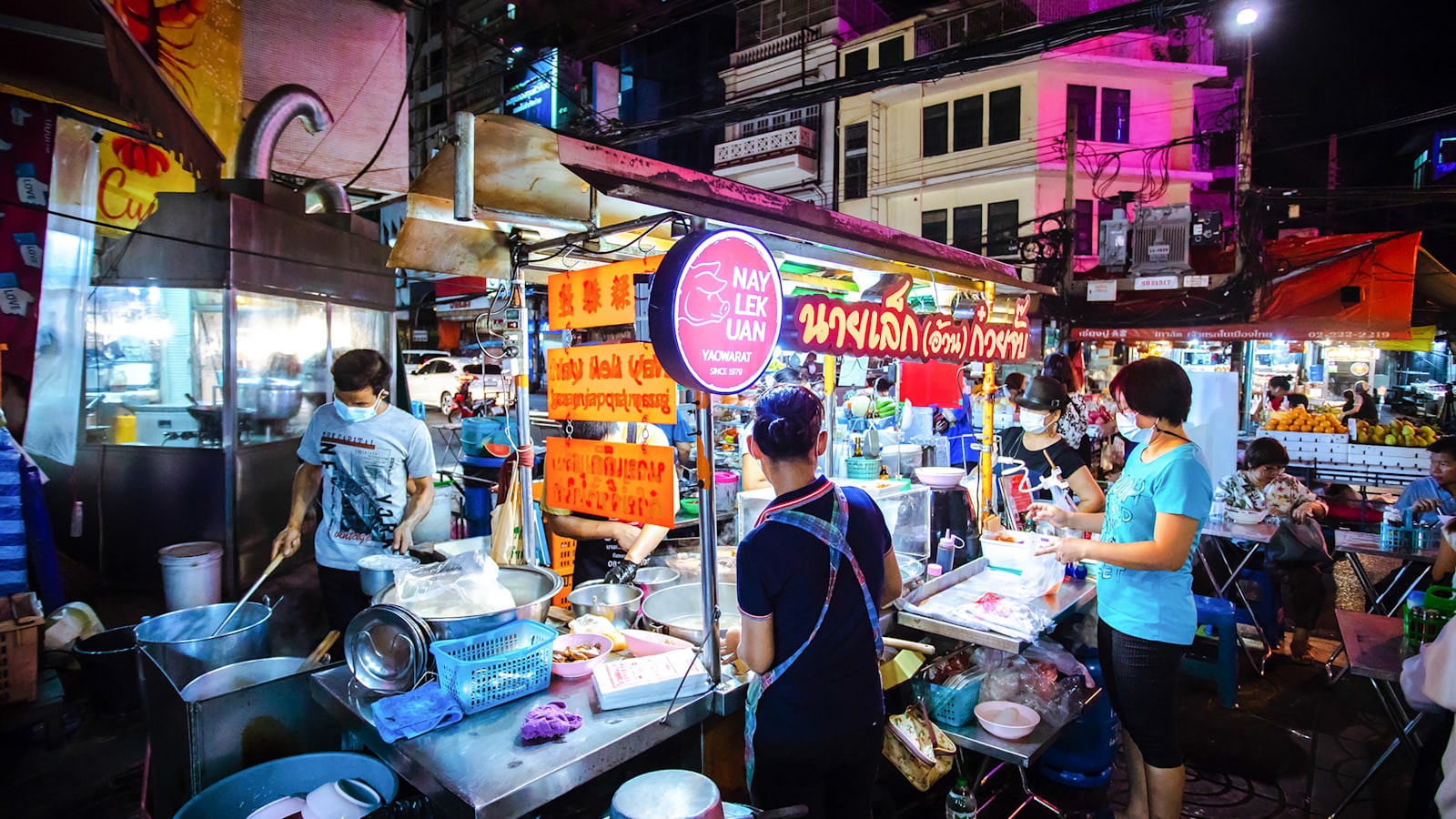
The quick version: Bangkok is genuinely safe by big-city standards — violent crime against tourists is rare. The real risks are scams (tuk-tuk gem stores, ping-pong show bill-padding, “lucky day” invitations), petty theft in crowded tourist areas, and traffic, which is the single biggest actual danger to visitors. Thailand’s drug laws are strictly enforced with serious penalties — don’t risk it. Tourist Police (1155) speak English and operate 24 hours.
Bangkok has a reputation that’s partly accurate and partly outdated tourist mythology. It’s a city of 11 million people — some things require attention, most things are fine. Here’s what the safety picture actually looks like in 2026.
The Overall Picture
Bangkok is genuinely safe by the standards of most large cities. Violent crime against tourists is rare. The most common problems visitors encounter are scams, petty theft, and traffic incidents — not muggings or street violence. Walking around at night in well-trafficked areas is not a meaningful concern. That said, it’s a large, complex city and taking sensible precautions matters.
Common Scams
This is the primary safety issue in Bangkok for tourists, and it’s been running for decades. The scams are well-documented but still catch people every year because they’re executed by confident, friendly people and tailored to your specific situation.
The tuk-tuk gem scam: A tuk-tuk driver (or friendly local) tells you a major attraction is closed today for a special ceremony. He offers to take you to see temples and then stops at a “government export” gem store — often a friend’s shop. The gems are overpriced or fake. The tell: any conversation that ends with you needing to go to a specific store.
The Ping Pong Show pressure scam: Touts around Patpong or Nana offer “free entry” to shows, then present enormously inflated bills that patrons feel pressured to pay. Simple rule: if entry is free, the drinks won’t be, and the drinks will be priced to cover the entry ten times over.
The “lucky day” scam: A well-dressed stranger tells you you’re very lucky today, and invites you to meet a relative who is a government official or professor. The conversation leads to a card game, betting, or investment opportunity. Don’t get in the car.
Taxi meter scams: Taxis that don’t run the meter and charge a flat (always too high) fee. The legal requirement is that meters must be used for all journeys — if the driver refuses to use the meter, get out. Grab is the cleaner alternative: upfront pricing, GPS tracking, driver accountability.
The pattern across all Bangkok scams: unsolicited friendliness from strangers, suggestions of a “closed” landmark, and an eventual invitation to go somewhere or buy something. Trust your instincts if something feels orchestrated.
Petty Theft
Bag snatching happens, mostly in crowded tourist areas and on busy streets. Motorcyclists snatching bags from pedestrians occurs occasionally, particularly in Khao San Road area and busy night markets. Keep bags on your inside shoulder (away from the road), don’t flash expensive equipment, and use a bag with a zipper rather than an open top in crowded areas.
Pickpocketing on the BTS and MRT happens but isn’t rampant. Be aware in crowded carriages. Don’t leave your phone on the table at outdoor restaurants where the street is immediately adjacent.
Traffic Safety
This is the most significant real danger for visitors in Bangkok. Road accidents are a leading cause of injury among tourists in Thailand. Key points:
Motorcycles and scooters weave through traffic in ways that pedestrians need to anticipate. Look right and left multiple times before crossing — including at pedestrian crossings, which motorcycles routinely ignore. Zebra crossings do not automatically stop Bangkok traffic.
Motorcycle taxis (mototaxis) are fast and convenient for short hops — wear the helmet they provide, even if it looks old. They are generally safe drivers on familiar routes, but the risk profile is higher than a car or the BTS.
If you’re considering renting a motorbike yourself: Bangkok’s traffic is emphatically not the place to learn, and even experienced riders need to acclimatise to local driving behaviour. Most expats in Bangkok do not ride motorbikes in the city itself.
Drugs
Political Situations and Protests
Thailand has experienced periodic political turbulence. Protests in Bangkok are generally non-violent and avoid tourist areas, but monitoring the news during your stay is sensible. Check your government’s travel advisory for Thailand before and during travel — the UK FCO, US State Department, and Australian DFAT all maintain updated guidance.
Solo Female Travel
Bangkok is considered one of the more manageable Southeast Asian cities for solo female travellers. Street harassment is less overt than in some other destinations. Standard precautions apply: avoid poorly lit areas late at night, use Grab rather than hailing random taxis, and trust your instincts. The main tourist and expat areas are busy enough at most hours that being alone is not an unusual situation.
Health Safety
Tap water in Bangkok is not reliably safe for drinking — use filtered or bottled water. Ice in established restaurants and convenience stores is generally fine (made from filtered water) but approach street stalls with slightly more caution. Food safety is generally good at mainstream restaurants and market stalls with high turnover; extra caution with meat left out at room temperature in the heat.
Dengue fever is present in Bangkok — mosquito repellent is worth using, particularly during wet season. Malaria risk in Bangkok city itself is minimal, though it exists in rural Thailand.
Medical care in Bangkok is excellent at the private hospitals. Ensure you have health insurance with international coverage before arriving. Emergency number in Thailand: 1669 (medical), 191 (police).
Areas to Be More Aware
Patpong, Nana Plaza, and Soi Cowboy are Bangkok’s red-light entertainment districts — they’re visited by many tourists without incident, but they attract a range of people and the scam density is higher. Know what you’re walking into and keep your guard up.
Khao San Road (backpacker hub) sees higher rates of petty theft and scam activity than most other areas. Not dangerous in the serious sense, but requires more attention than the residential neighbourhoods.
Emergency Information
| Service | Number |
|---|---|
| Tourist Police (English-speaking, 24hr) | 1155 |
| Medical Emergency | 1669 |
| Police | 191 |
| Fire | 199 |
Registering with your embassy on arrival is worth doing for longer stays — most embassies offer a registration system that allows them to contact you in the event of a significant incident.
Related Bangkok Guides
Planning a longer stay in Bangkok? The Bangkok Digital Nomad Guide covers visas, coworking, and the practical reality of basing here. For visa specifics, see Bangkok Visa Guide 2026. Healthcare: Bangkok Healthcare Guide.
Frequently Asked Questions
Is Bangkok safe for tourists?
Yes, generally. Violent crime against tourists is rare. The most common issues are scams, petty theft in crowded areas, and traffic incidents — not muggings or street violence.
What’s the most common scam in Bangkok?
The tuk-tuk gem scam, where a driver claims a major attraction is closed and redirects you to a “government export” gem store. Any unsolicited claim that a landmark is closed today is a red flag.
Is Bangkok safe for solo female travellers?
Bangkok is considered one of the more manageable Southeast Asian cities for solo female travellers, with less overt street harassment than some other destinations. Standard precautions (Grab instead of random taxis, avoiding poorly lit areas late at night) apply.
What’s the emergency number in Bangkok?
Tourist Police: 1155 (English-speaking, 24 hours). Medical emergency: 1669. Police: 191. Fire: 199.