
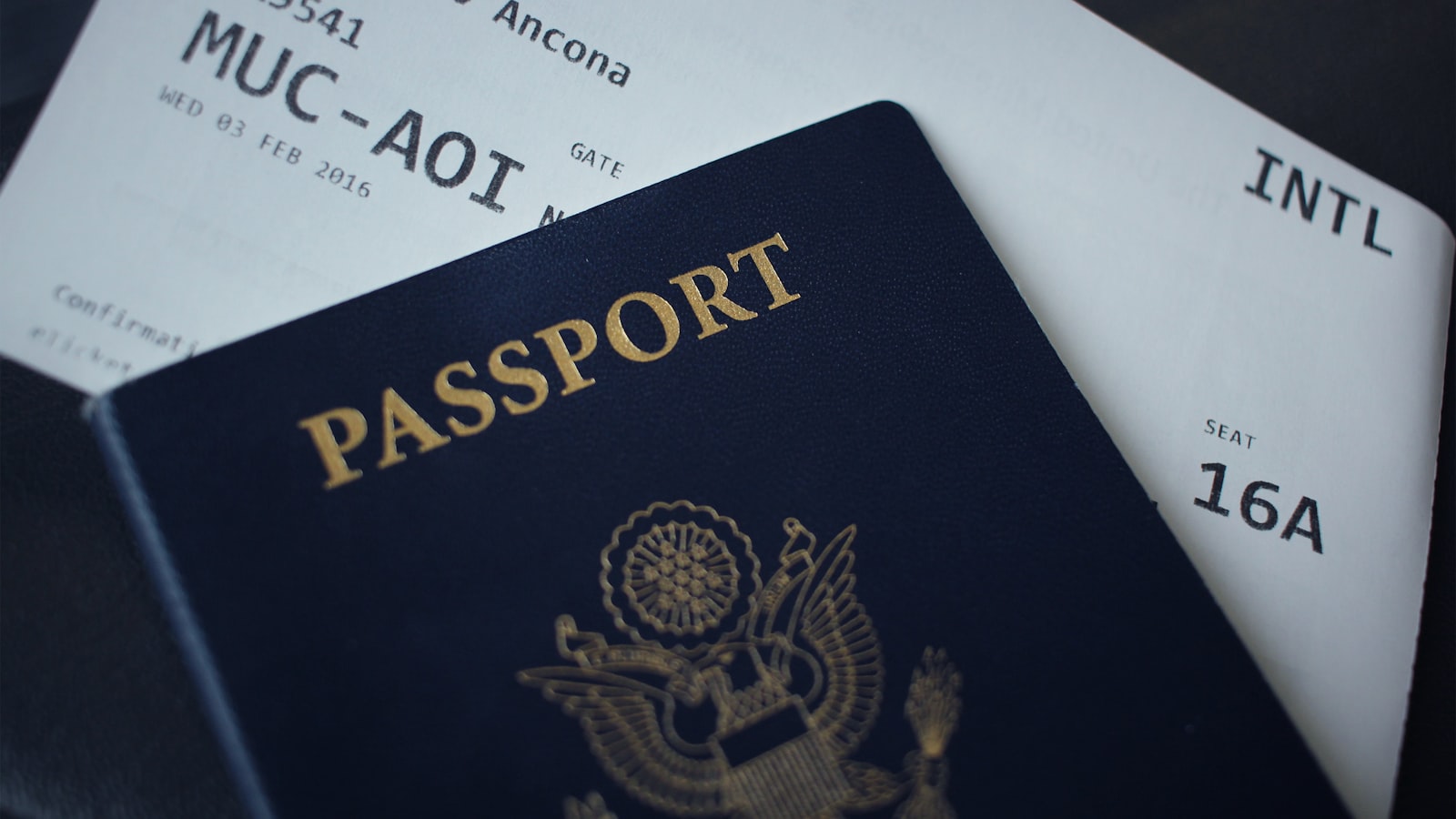
The quick version: Most nationalities get 60 days visa-free on arrival, extendable once for 30 more (90 days total, no visa application needed). For serious long-term stays, the Destination Thailand Visa (DTV) launched in 2024 is the best option for remote workers — 5-year validity, 180 days per entry, THB 10,000 fee, and proof of ~THB 500,000 in savings. Retirees, investors and Thai-company employees have their own dedicated visa routes below. Border runs still work but immigration is watching repeat use more closely.
Thailand’s visa system is more flexible than most people realise — and Bangkok is one of the easiest major Asian cities to use as a base for long-term stays. Here’s what the options actually look like in 2026, without the confusing jargon.
Visa Exemption (Tourist Entry)
Citizens of 57 countries — including the US, UK, Australia, most of the EU, and Canada — can enter Thailand visa-free for 60 days. This was extended from 30 days in late 2024 and has remained in place since. No application, no fee: you get stamped at the border for two months.
You can extend this once at any immigration office for an additional 30 days, costing THB 1,900 (around USD 52). Total stay: 90 days without ever applying for a visa. Bangkok’s main immigration office is at Government Complex on Chaeng Watthana Road — arrive early, it gets busy. Some tourists use the Chaeng Watthana office, others prefer smaller offices in malls like Central Festival Eastville.
Check the full list of visa-exempt nationalities on the Thai Ministry of Foreign Affairs website — the list changes periodically and your specific passport matters.
Tourist Visa (TR)
If you’re not eligible for visa exemption, or if you want more flexibility, a Tourist Visa applied for at a Thai embassy before arrival gives you 60 days initially, extendable once for 30 days in-country. Single-entry is most common; double-entry TR visas are available but increasingly rare at certain embassies.
Application requirements typically include a passport photo, completed form, return flight evidence, and proof of accommodation. Fees vary by issuing country — roughly USD 30–50 at most Thai embassies. Processing is usually 2–3 working days.
Destination Thailand Visa (DTV) — The Digital Nomad Option
Thailand launched the Destination Thailand Visa (DTV) in mid-2024, specifically targeting remote workers, freelancers, and long-stay travellers. It’s the most significant visa development for digital nomads in years.
Key terms: 5-year validity, multiple entries, 180 days per stay (extendable once for 180 days in-country), fee of THB 10,000 (around USD 280). That’s a lot of Thailand access for a one-time fee. You apply online or at a Thai embassy abroad.
Eligibility criteria: proof of funds (THB 500,000 / ~USD 14,000 in a bank account), and evidence that your income comes from outside Thailand — typically a combination of employment contracts, business registration, or client invoices. The DTV does not grant work authorisation for working with Thai companies; it’s designed for people earning remotely from non-Thai sources.
For most digital nomads planning to spend significant time in Bangkok, the DTV is the cleanest long-term option available.
Thailand Elite Visa
The Thailand Elite programme offers long-stay privileges (5, 10, or 20 years) in exchange for a membership fee starting at THB 600,000 (~USD 17,000). It’s not a work visa — it’s a residency-adjacent programme for people who want hassle-free long-term access. Useful for retirees or high-net-worth individuals who spend significant time in Thailand and want to eliminate the visa admin entirely.
SMART Visa
Thailand’s SMART Visa targets startup founders, senior executives, investors, and specialists in targeted industries (biotech, automation, digital, food processing, etc.). It offers 4-year stays with multiple entries and doesn’t require a work permit for eligible activities. The application is more involved and requires endorsement from relevant Thai government agencies. Most remote workers won’t qualify, but startup founders or senior tech executives might.
Non-Immigrant Visa B (Work Visa)
If you’re employed by a Thai company or have a business registered in Thailand, you’ll need a Non-Immigrant Visa B paired with a Work Permit. The process requires your employer to sponsor the application. Initial Non-B visas are typically issued for 90 days, then converted to 1-year extensions. This route is for people working locally, not remote workers earning abroad.
Retirement Visa (Non-Immigrant O-A)
Available to those aged 50 and over, the Non-Immigrant O-A (Retirement) visa allows year-long stays renewable annually. Requirements include THB 800,000 (~USD 22,000) in a Thai bank account, or proof of a monthly income of THB 65,000 (~USD 1,800) from abroad. Health insurance is also required — minimum coverage of THB 40,000 for outpatient and THB 4 million for inpatient.
Border Runs and Visa Runs
Historically, people would leave Thailand briefly and re-enter to reset their visa exemption stamp. Thailand has tightened this over the years — immigration officers have discretion to refuse entry to people who appear to be living in Thailand on repeated visa exemptions. Multiple land border crossings in short succession will get you questioned.
If you’re planning to stay in Bangkok long-term, the DTV or another long-stay visa is a cleaner and more secure approach than cycling through exemptions.
Practical Notes
Always carry printed copies of your visa, accommodation details, and return flight information when entering Thailand — immigration officers occasionally ask for these. Ensure your passport has at least 6 months validity from your planned departure date.
For the most current fee structures and eligibility requirements, check directly with the Royal Thai Embassy in your country of residence or the Thai Ministry of Foreign Affairs website — details change without much notice, and this guide reflects the situation as of mid-2026.
• Bangkok Digital Nomad Guide — the wider picture beyond just the visa
• Cost of Living in Bangkok — budget for your stay once your visa is sorted
• Bangkok Healthcare Guide — insurance requirements for retirement and long-stay visas
• Best Neighbourhoods in Bangkok — choosing a base for your stay
Travel insurance while you sort your visa
Whichever route you take, most of these visa categories either require or strongly reward having proper coverage in place. SafetyWing Nomad Insurance is a monthly subscription that covers you outside your home country, including hospital stays, and meets the travel insurance requirement for several visa categories. From around USD 42–70/month depending on age and home country.
Frequently Asked Questions
Do I need a visa to visit Bangkok?
Citizens of 57 countries, including the US, UK, Australia, most of the EU and Canada, can enter visa-free for 60 days. Check the current list on the Thai Ministry of Foreign Affairs website, since it changes periodically and depends on your passport.
What’s the best visa for a digital nomad in Bangkok?
The Destination Thailand Visa (DTV), launched in 2024, is the cleanest option: 5-year validity, multiple entries, 180 days per stay (extendable once for another 180 in-country), and a one-time fee of THB 10,000. You’ll need proof of funds and evidence your income comes from outside Thailand.
Can I extend my 60-day visa exemption?
Yes, once, for an additional 30 days, at any immigration office for THB 1,900 (around USD 52). That gives you 90 days total without ever applying for a visa in advance.
Are visa runs still worth doing in Bangkok?
They still work but immigration has discretion to question travellers who appear to be living in Thailand on repeated visa exemptions. If you’re planning a long-term stay, the DTV or another dedicated long-stay visa is a cleaner and more secure approach than cycling through border runs.
What do I need for the Thailand retirement visa?
You must be 50 or older, and show either THB 800,000 (~USD 22,000) in a Thai bank account or a monthly income of THB 65,000 (~USD 1,800) from abroad, plus qualifying health insurance covering at least THB 40,000 outpatient and THB 4 million inpatient.