
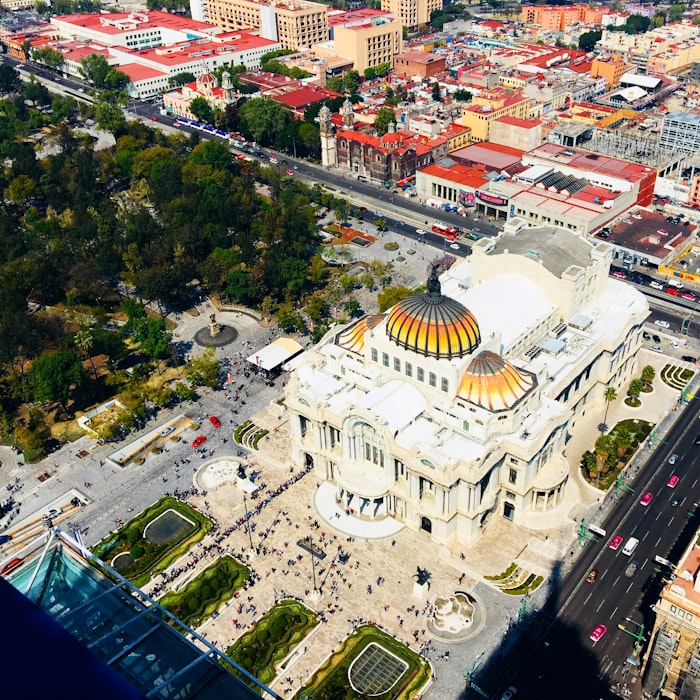
Relocating to Mexico City is relatively straightforward compared to many countries, particularly given the generous tourist entry many nationalities receive.
Before You Arrive
Decide whether you’ll rely on the 180-day tourist entry or apply for a Temporary Resident Visa at a Mexican consulate before travel — the latter requires advance planning since it can’t be arranged after arrival as a tourist.
Finding Housing
Roma Norte, Condesa, and Escandón are the most popular areas for newcomers. Facebook groups and platforms like Vivanuncios and Inmuebles24 are commonly used, and many newcomers start with a furnished short-term rental (via Airbnb or agencies) while apartment hunting in person, since photos rarely capture a building’s real condition.
Getting Set Up
A CURP (a national ID number) is useful for various services and, for temporary/permanent residents, straightforward to obtain at a RENAPO office once your residency status is confirmed. A local phone number (via a Telcel SIM from any OXXO) is quick to get and useful for verifying accounts and food delivery apps.
Banking
Opening a Mexican bank account as a temporary resident typically requires your residency card, proof of address, and CURP — BBVA and Santander are commonly used, foreigner-friendly options, though some remote workers rely on international options like Wise for day-to-day money movement instead.
The Bottom Line
Many remote workers simply use the 180-day tourist entry for their first stint without formal residency at all — for a longer-term move, get the Temporary Resident Visa process started at a consulate well before your planned move date.
Frequently Asked Questions
Do I need a Mexican bank account if I only plan to stay a few months?
Not necessarily — many short-term remote workers get by with an international debit card and cash, opening a local account only if settling in longer-term.