
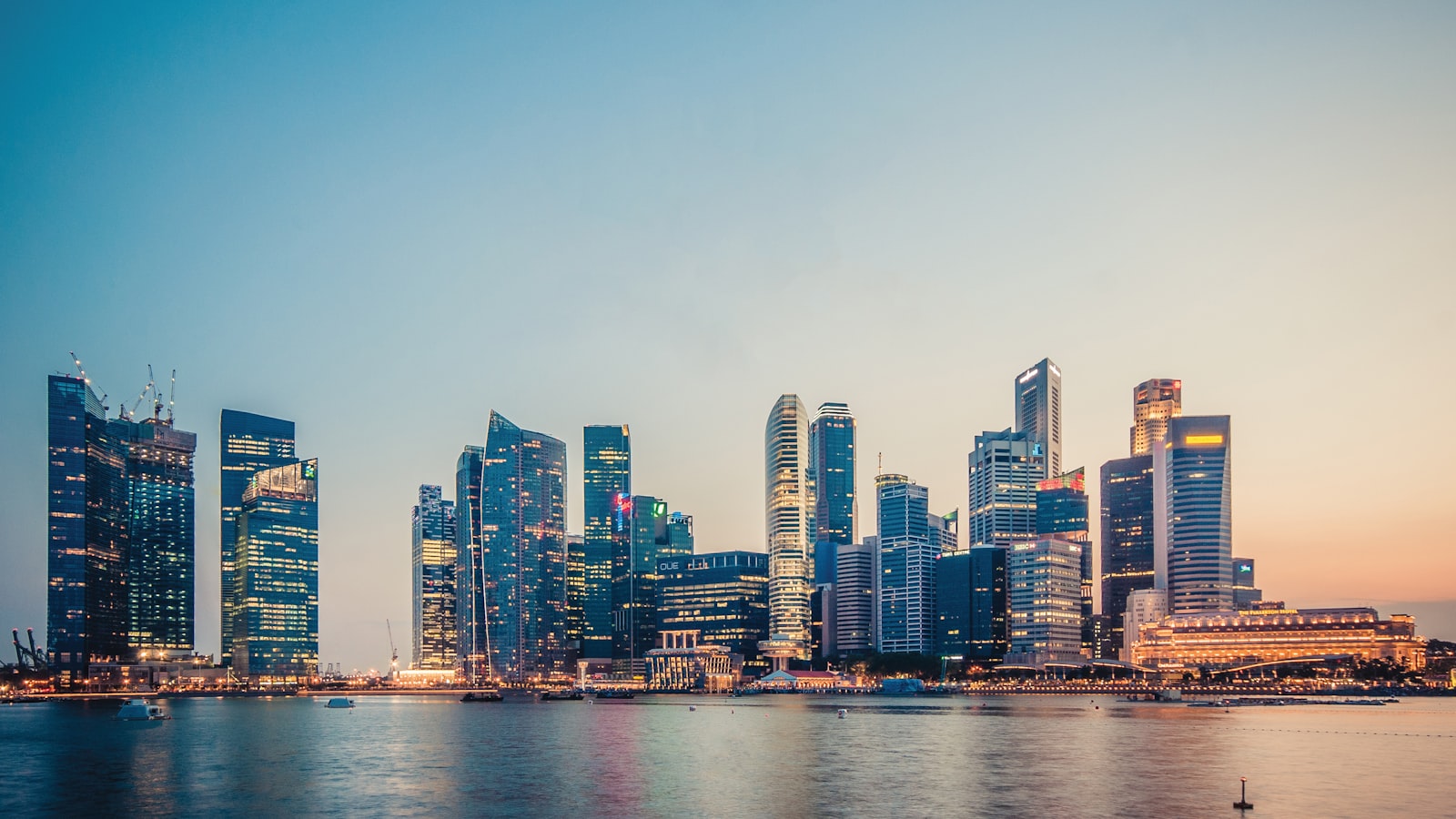
Hawker centres are the single best reason to eat out in Singapore rather than in a restaurant. They’re open-air (or air-conditioned, depending on the building) complexes of dozens of independent stalls sharing communal seating — UNESCO added Singapore’s hawker culture to its Intangible Cultural Heritage list in 2020, and it’s not hype. You can eat extremely well here for S$4-8 a plate, in a country where a casual restaurant meal easily runs S$25-40.
Why hawker centres exist
They’re a deliberate piece of urban planning, not an accident of history. Singapore built purpose-designed hawker centres from the 1970s onward to move street food vendors off the pavements and into hygienic, government-managed complexes with proper drainage, refrigeration, and food-safety inspection. That’s part of why the food is both cheap and genuinely safe to eat almost anywhere — every stall carries a graded hygiene certificate (A to D) displayed at the counter, and it’s worth a glance before you order if you’re new to the system.
Maxwell Food Centre
The most tourist-known hawker centre, and deservedly so — it’s compact, easy to navigate, and home to Tian Tian Hainanese Chicken Rice, the stall with the queue that wraps around the block most lunchtimes. Order the chicken rice (S$5-6) and don’t skip the chilli sauce on the side. Maxwell also has good options if chicken rice isn’t your thing: Zhen Zhen Porridge for congee, and a handful of solid fruit-juice stalls to cool down with. Go before 11:30am or after 2pm to avoid the worst of the lunch crush; the queue at Tian Tian alone can run 20-30 minutes at peak.
Old Airport Road Food Centre
Less central, more local, and considered by a lot of Singaporeans to be the best all-round hawker centre on the island — worth the MRT-plus-walk trip if you have a full day free. Standouts include the Lor Mee (braised noodles in thick gravy, S$4-5), several long-running satay stalls, and a rojak stall that regularly gets cited in local “best of” lists. Because it’s less geared toward tourists, expect fewer English menus and a bit more pointing-and-nodding to order — completely normal here and part of the experience.
Tiong Bahru Market
Sits above a wet market in one of Singapore’s most walkable heritage neighbourhoods. Chwee Kueh (steamed rice cakes with preserved radish, S$2-3) and a well-regarded chai tow kway (fried carrot cake, S$3-4) stall are the draws. It’s smaller and calmer than Maxwell, and doubles nicely as a stop if you’re already in the area for the cafes (see our Singapore cafes guide). The wet market downstairs is worth a look even if you’re not cooking — fresh produce, seafood and dried-goods stalls that give a sense of how the neighbourhood actually shops.
Lau Pa Sat
A striking Victorian-era cast-iron building in the CBD, popular with the lunchtime office crowd on weekdays and transformed into an outdoor satay street after dark, when the surrounding road closes to traffic and stalls grill satay curbside (S$0.60-0.80 per stick, order in batches of 10). It’s more expensive than the neighbourhood centres and geared toward a working and tourist crowd, but the satay-street evening scene is worth doing once, ideally with a group so you can order across several stalls and compare.
Chinatown Complex
Singapore’s largest hawker centre by stall count, and home to Liao Fan Hawker Chan — the stall that held a Michelin star while still charging hawker prices (soya sauce chicken rice, around S$5). Expect a queue for that specific stall even on weekdays; the rest of the complex is far less crowded and just as good if you’re happy to explore rather than queue. The upper floors house a wet market and a huge range of dry-goods and textile stalls, so it’s worth an hour of wandering beyond just the food.
What to order
A few dishes worth seeking out specifically: Hainanese chicken rice (poached or roasted chicken over rice cooked in chicken stock, S$4-6), laksa (spicy coconut noodle soup, S$4-6), char kway teow (wok-fried flat noodles with prawns, egg, and Chinese sausage, S$4-6), Hokkien mee (prawn-stock fried noodles, S$4-5), bak chor mee (minced-pork noodles with vinegar and chilli, S$4-5), and satay (grilled skewered meat with peanut sauce, sold per stick, S$0.60-0.80). Most stalls display prices clearly — if you don’t see a price, ask before ordering, since portion sizes and add-ons can shift the final bill.
Halal, vegetarian and dietary options
Every hawker centre has a mix of Chinese, Malay/halal, and Indian stalls, and the site typically separates halal from non-halal cooking areas — look for a “Muslim/Halal” sign, common at most centres. Vegetarian options exist but require more looking: Indian vegetarian stalls (thosai, vegetable biryani) are usually the most reliable bet, and a few centres have a dedicated vegetarian bee hoon (rice vermicelli) stall. If you have a specific allergy, point at the ingredient rather than relying on English — not every stall has fluent English, though most can manage the basics.
How to order and pay
There’s no table service. Find a free table first — Singaporeans “chope” (reserve) tables by leaving a packet of tissues on the seat, and this is genuinely respected, so don’t sit at a table with tissues on it even if it looks empty. Once you have a table, walk to individual stalls to order and pay (cash still works everywhere; PayNow and card acceptance is growing but isn’t universal, especially at the older, smaller stalls), then carry your own food back. Staff will bring drinks to your table at some centres if you order at a designated drinks stall and give your table number.
Tray return and etiquette
Singapore has mandated tray return at hawker centres since 2021 — bus your own tray and dishes to a tray-return point when you’re done, or you can technically be fined. It’s a small thing but genuinely enforced and part of hawker culture etiquette now. Don’t linger at a table once you’ve finished eating during a busy lunch period — with limited seating, table-hogging is a minor faux pas, and regulars will notice.
Cost versus eating out elsewhere
This is the real appeal for anyone budgeting a Singapore trip or stay. A hawker meal runs S$4-8; the same style of food at a casual restaurant is S$18-25, and a mid-range sit-down dinner easily clears S$40-60 per person before drinks. Eating primarily at hawker centres is one of the few genuine ways to keep daily food costs manageable in a city that is otherwise one of the most expensive in Asia — see our Singapore cost of living guide for the fuller picture.
Pairing with a longer stay
If you’re in Singapore for more than a few days of tourism — working remotely, scoping out a longer stay — hawker centres are also just cheap, reliable daily eating. See our coworking guide and digital nomad guide; several of the hawker centres above sit within a short walk of the city’s main coworking clusters, making them a genuinely practical lunch option rather than just a tourist activity.