
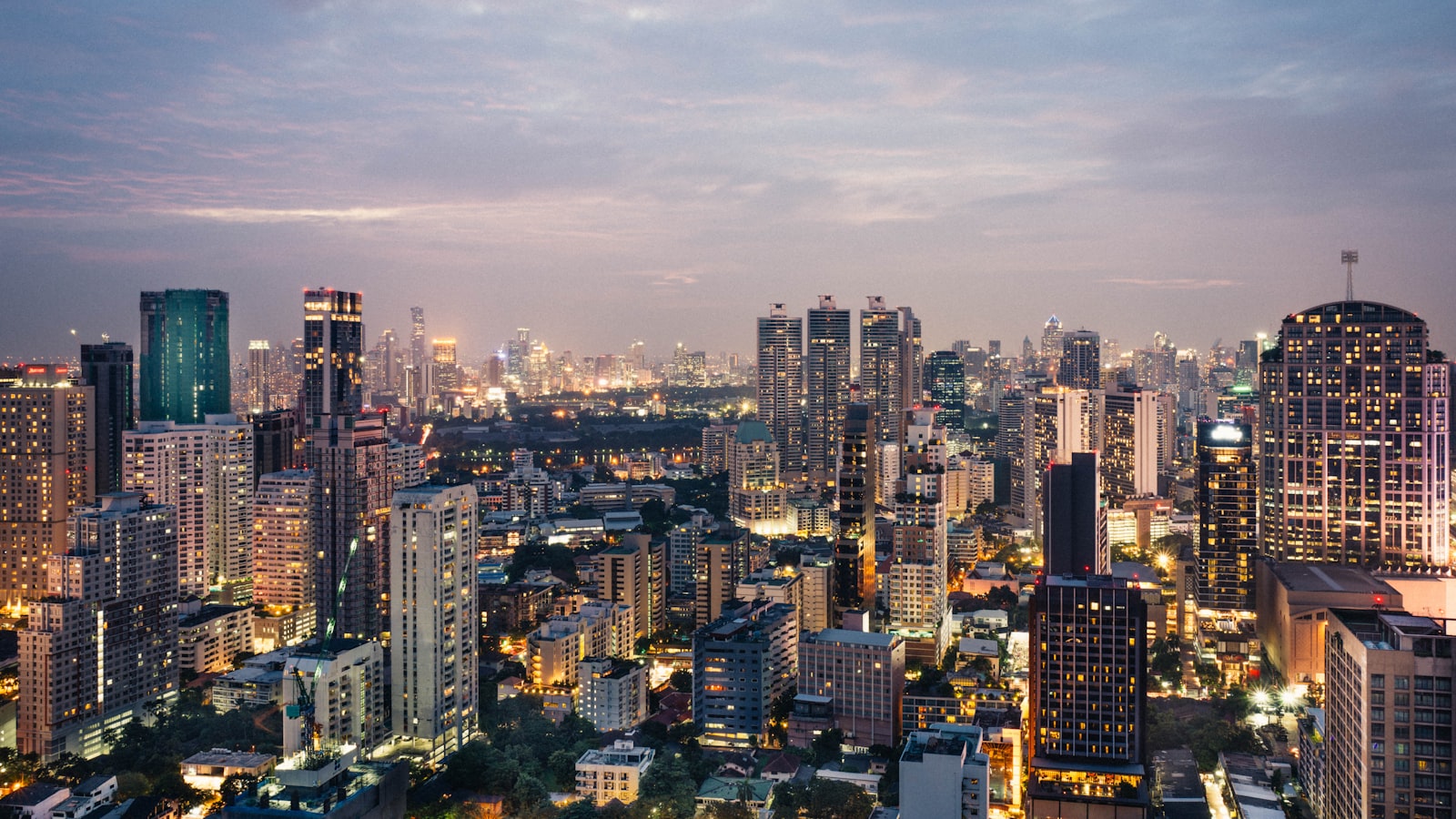
Bangkok runs hot all year, but “hot” hides a lot of variation. The difference between a March afternoon and a December morning is the difference between a sweat-through-your-shirt slog and one of the most comfortable big cities in Southeast Asia. If you’re timing a trip, planning a move, or just deciding when to book flights, the month you choose matters more here than almost anywhere else in the region.
Here’s how Bangkok’s weather actually breaks down, month by month, and what each season means on the ground.
Bangkok’s three seasons at a glance
Thailand’s capital has a tropical climate with three loosely defined seasons: a hot season, a rainy season, and a cool season. Temperatures never really drop, humidity is a near-constant companion, and the sun is strong all year. What changes is how much rain falls and how brutal the heat gets.
- Hot season (March–May): The most punishing stretch. Peak heat, peak humidity, peak air-conditioning bills.
- Rainy season (June–October): Warm, humid, and wet, but rarely a washout. Fewer crowds and lower prices.
- Cool season (November–February): The sweet spot. Lower humidity, comfortable evenings, and the reason most people visit between these months.
The hot season (March to May)
This is Bangkok at its most intense. Daytime highs regularly sit in the mid-to-high 30s Celsius, and April, the hottest month, can push past 36°C with a heat index well above 40°C once humidity is factored in. There’s little wind and the concrete city holds the heat long after dark.
Mid-April brings Songkran, the Thai New Year water festival, when the whole country throws water at each other for days. It’s genuinely one of the best experiences in Thailand, but it’s also the peak of the heat, so plan for both. If you’re sensitive to heat, this is the season to build your day around early mornings, air-conditioned malls, and late evenings.
The rainy season (June to October)
The southwest monsoon brings Bangkok’s wet season, and it scares off more visitors than it should. The rain here rarely means all-day grey drizzle. Instead, you typically get a heavy, dramatic downpour in the late afternoon or evening that clears within an hour or two, leaving the rest of the day open.
September and October are the wettest months and carry a real risk of localised flooding, particularly in low-lying areas and after prolonged storms. Streets can become ankle-deep quickly, and traffic snarls. But temperatures ease slightly compared to the hot season, the city looks greener, hotel rates drop, and the major sights are noticeably quieter. For budget travellers who don’t mind carrying a poncho, it’s an underrated time to visit.
The cool season (November to February)
If someone tells you they loved Bangkok’s weather, they almost certainly visited now. From November the humidity drops, the rain mostly stops, and mornings and evenings turn genuinely pleasant, occasionally dipping into the low 20s. December and January are the most comfortable months of the year, which is exactly why they’re also the busiest and most expensive.
This is the season for rooftop bars, walking tours, temple-hopping, and long evenings at the night markets without melting. Book accommodation well ahead if you’re travelling over the December holidays.
Bangkok weather month by month
Approximate average high and low temperatures, plus what to expect:
| Month | Avg high / low | What to expect |
|---|---|---|
| January | ~33° / 22°C | Cool season peak. Dry, comfortable, busy. |
| February | ~34° / 24°C | Warm and dry. Air quality can dip (see below). |
| March | ~35° / 26°C | Heat ramping up. Hazy skies common. |
| April | ~36° / 27°C | Hottest month. Songkran mid-month. |
| May | ~34° / 26°C | First monsoon rains arrive. |
| June | ~33° / 26°C | Rainy season proper. Afternoon storms. |
| July | ~33° / 25°C | Warm and wet, but manageable. |
| August | ~32° / 25°C | Reliable afternoon downpours. |
| September | ~32° / 25°C | Wettest month. Flooding possible. |
| October | ~32° / 24°C | Rain easing by month’s end. |
| November | ~32° / 23°C | Cool season begins. Excellent. |
| December | ~32° / 21°C | The most pleasant month. Peak crowds. |
The best time to visit Bangkok
For most people, November to February is the clear winner: the lowest humidity, the least rain, and the most comfortable evenings of the year. December and January are the pick of the bunch if you don’t mind higher prices and bigger crowds.
If you’re chasing value, the rainy season shoulder months of June and July offer warm weather, short daily storms rather than constant rain, and meaningfully cheaper flights and hotels. The window to think twice about is April, when the heat is genuinely draining, unless you’re specifically coming for Songkran.
Air quality and the burning season
One thing Bangkok’s temperature charts won’t tell you: air quality. From roughly late January into April, PM2.5 pollution can spike, driven by regional agricultural burning combined with the city’s traffic. February and March are often the worst. On bad days the skyline turns hazy and sensitive travellers may want a mask. It’s worth checking a live air-quality index during these months, especially if you have respiratory issues or are travelling with young children.
What to pack
- Year-round: Light, breathable clothing, sunscreen, sunglasses, and a refillable water bottle. You will sweat.
- Rainy season: A compact travel umbrella or poncho and quick-dry footwear. Skip the suede.
- Cool season: A light layer for early mornings, air-conditioned interiors, and rooftop evenings.
- Temples: Modest clothing that covers shoulders and knees, regardless of the heat.
The short version
Bangkok is a year-round destination, but the experience shifts hard with the calendar. Come in the cool season for comfort, the rainy season for value, and brace yourself if you’re arriving in April. Whenever you land, build your days around the heat rather than fighting it, and the city rewards you.
Planning the rest of your trip? See our guides to the best things to do in Bangkok, the cost of living in Bangkok, and getting from the airport into the city.