
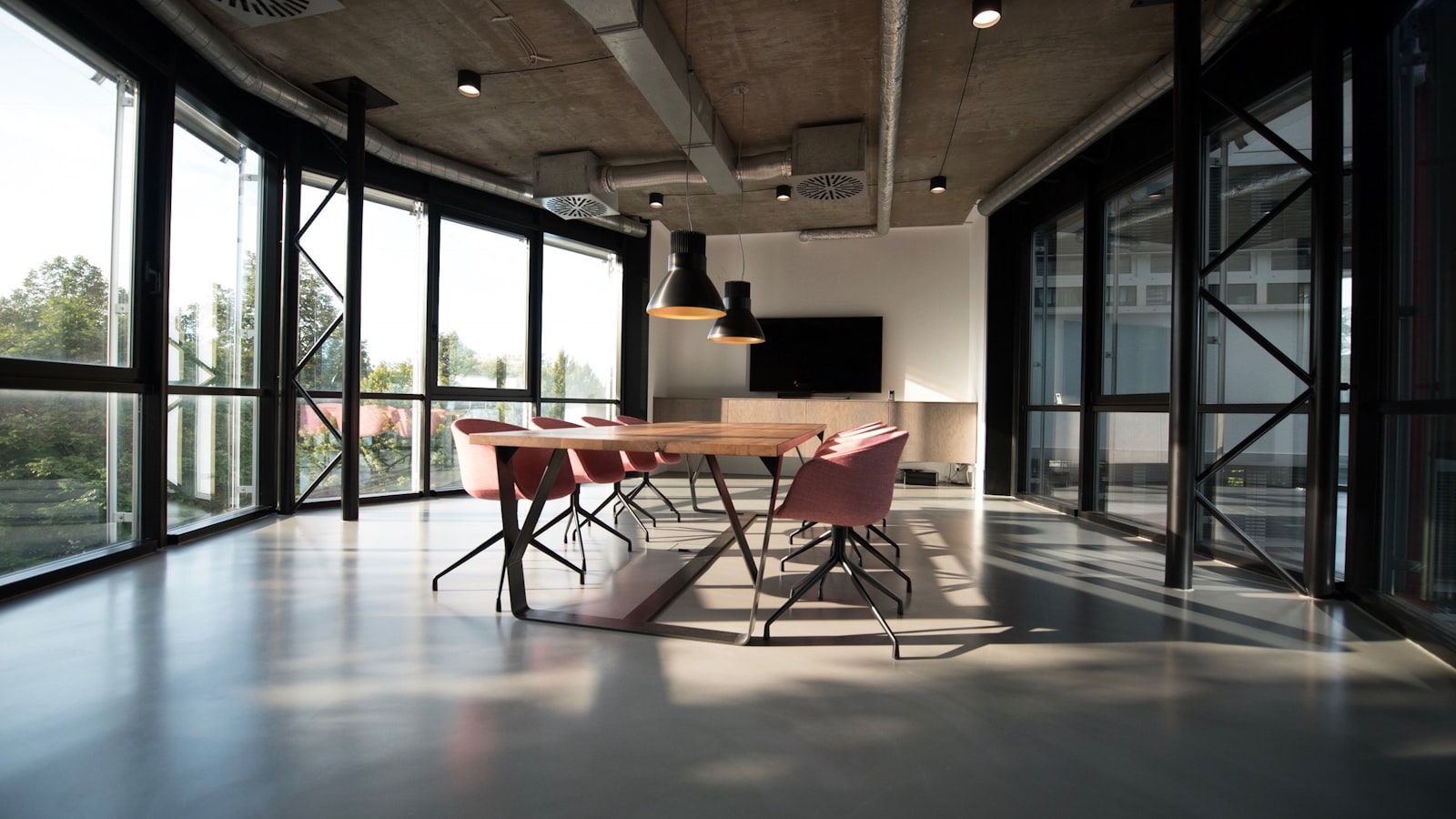
Singapore has one of the most developed coworking markets in Southeast Asia. The city’s position as a regional business hub means demand is high, space is premium, and quality is generally strong. Expect to pay more than in Bangkok or Bali, but get more in return.
The Major Operators
WeWork
WeWork has the biggest footprint of the international operators in Singapore, spread across the CBD and city fringe — Beach Road, Funan, Suntec Tower, Centennial Tower, 71 Robinson Road and Manulife Tower among them. If you move around the island a lot, the all-access membership lets you drop into any of them on one plan.
Pricing (2026): a day pass runs around SGD 59. An all-access hot-desk membership is roughly SGD 500–650 a month depending on the building, with private offices starting higher. The Marina Bay and Raffles Place towers sit at the top of that range; the city-fringe locations are cheaper.
Practical details: reception is generally staffed 9am–6pm on weekdays, with 24/7 keycard access for members. Every site has the same core kit — bookable meeting rooms, soundproofed phone booths, printing included on paid plans, and free barista-style coffee. Wifi is fast fibre that comfortably handles back-to-back video calls, and door access plus room booking are handled through the WeWork app.
Honest take: the upside is consistency and reach — you always know what you are getting, and the all-access pass genuinely pays off if your week bounces around the island. The downside is price: you pay a clear premium over the local operators for the brand and the fit-out, and the busier CBD floors can get loud and short on free desks by mid-morning.
Enquire or book a tour on WeWork’s Singapore page.
JustCo is Singapore-founded and has become one of the dominant coworking operators in the city. Multiple locations including UIC Building, Centennial Tower, CapitaGreen, and others spread across the CBD and Marina Bay area. Day pass: SGD 45–65; monthly hot desk from SGD 450–600. JustCo tends to attract a mix of corporate overflow and startup teams. The spaces are well-designed and the amenities (showers, event spaces, phone booths) are consistently solid.
The Great Room positions itself at the premium end — boutique, design-led spaces in buildings like Afro Asia i-Mark and One George Street. Aimed at established professionals and companies that want something more aesthetically considered than a standard corporate coworking chain. Monthly from SGD 700+. Worth it for the right client base.
Collision 8 at 79 Anson Road in Tanjong Pagar has built a strong reputation in the startup and tech community. Event-focused with a genuine community programme. Popular with founders and early-stage companies. Monthly from SGD 450.
Trehaus is notable for being family-friendly — it has a childcare component alongside the workspace, making it unique in the Singapore market. Useful for expat parents with young children who need to work.
IWG — Spaces, Regus and HQ
IWG is the parent group behind Spaces, Regus and HQ, and between those brands it has the widest spread of any operator in the country — well over a dozen Singapore locations, weighted to the CBD (Raffles Place, Shenton Way, Battery Road) plus Paya Lebar Square, Suntec and a handful of suburban centres. Spaces is the design-led, creative-leaning brand; Regus is the plainer corporate one; a single IWG membership covers all of them.
Pricing (2026): day passes range from about SGD 45 at the suburban Regus centres to SGD 70 at the prime Spaces sites. A monthly hot-desk membership lands around SGD 400–600 — cheaper at Regus, toward the top end at Spaces in Marina Bay or Raffles Place.
Practical details: reception is typically staffed 8:30am–5:30pm on weekdays, with 24-hour keycard access on membership plans. You get meeting rooms and phone booths (usually credit-based rather than unlimited), business-grade wifi, printing, and complimentary coffee and tea. Access and room booking run through the IWG app.
Honest take: the strength is coverage and predictability — if you need a desk near a specific client or a professional room for a meeting, there is almost always an IWG site within walking distance, and the infrastructure simply works. The weakness is atmosphere: the Regus centres in particular feel corporate and quiet rather than social, so they suit heads-down work far better than meeting other founders or nomads.
Check locations and book on the Regus Singapore or Spaces Singapore pages.
Best Areas for Coworking
CBD (Raffles Place, Tanjong Pagar, Marina Bay): Highest density of coworking options, best for people meeting clients or attending business events. More formal atmosphere. Premium pricing.
Bugis / City Hall: Good middle ground — central, slightly lower pricing than the CBD, reasonable cafe and food options nearby. JustCo and WeWork both have presence here.
One-North: The tech and biomedical hub west of the city. If you’re in tech or life sciences, the cluster of startups and MNC R&D centres here makes it worth considering. More limited coworking options than the CBD but a strong industry community.
Tiong Bahru / Keong Saik: Popular with creative freelancers. Several independent cafes with good working environments that serve as informal coworking spaces. Lower cost, less corporate, better coffee.
Working from Cafes
Singapore’s cafe scene is strong and many are laptop-friendly, but space is at a premium and some cafes have started limiting laptop use during peak hours. The independent specialty coffee scene in areas like Tiong Bahru, Tanjong Pagar, and Kampong Glam generally tolerates working. Chains (% Arabica, Common Man Coffee, Toby’s Estate) are usually laptop-friendly if you arrive before the lunch rush. Expect to pay SGD 6–9 for a flat white.
Price Summary
Day pass: SGD 40–85 (USD 30–63)
Monthly hot desk: SGD 400–700 (USD 295–515)
Dedicated desk: SGD 700–1,200/month
Private office (1–2 person): SGD 1,500–3,500+/month
Singapore’s coworking costs are 2–3x Bangkok’s but the infrastructure, business environment, and connectivity justify the premium for people whose work benefits from being in a genuine regional business hub. For pure remote work without those client or networking needs, Bangkok or Bali offer better value for the same internet speeds.