
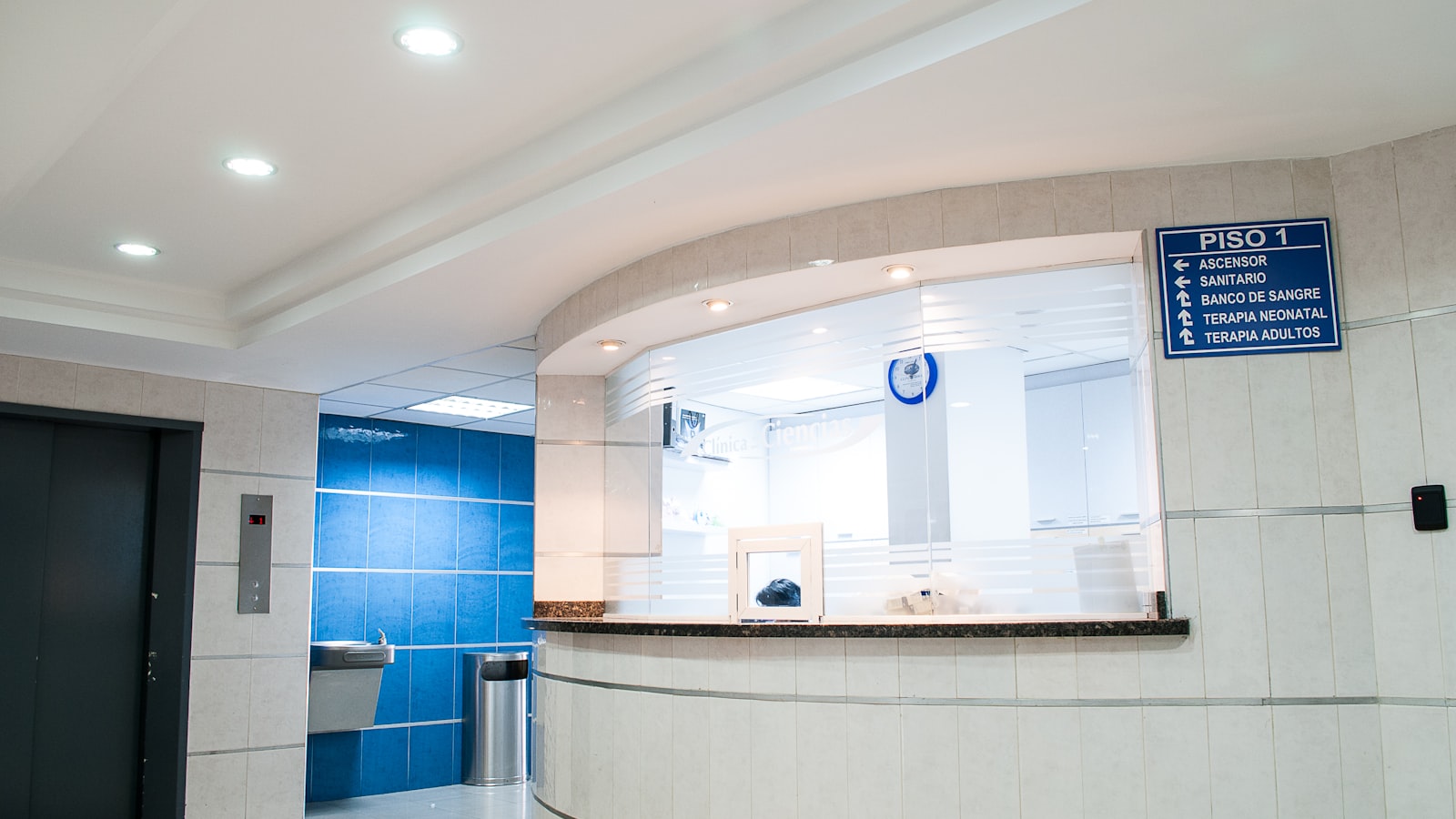
Kuala Lumpur has some of the best private healthcare in Southeast Asia — genuinely world-class hospitals, English-speaking doctors, short waiting times, and costs that are a fraction of what you’d pay in the UK, US, or Australia. For expats and digital nomads, healthcare is one of the most compelling practical reasons to base yourself here. This guide covers how the system works, what things cost, and how to navigate it as a foreigner in 2026.
Kuala Lumpur has some of the best private healthcare in Southeast Asia — genuinely world-class hospitals, English-speaking doctors, short waiting times, and costs that are a fraction of what you’d pay in the UK, US, or Australia. For expats and digital nomads, healthcare is one of the most compelling practical reasons to base yourself here. This guide covers how the system works, what things cost, and how to navigate it as a foreigner in 2026.
Public vs Private Healthcare in Malaysia
Malaysia operates a two-tier system. The public system is heavily subsidised and cheap for citizens but slow for foreigners, who are charged near-full rates anyway. The private system is where most expats end up — and it’s excellent.
| Item | Details |
|---|---|
| Public hospitals (government) | Kuala Lumpur General Hospital (Hospital Kuala Lumpur, or HKL) is the main public referral centre. Quality of care is good but waits are long, facilities are variable, and foreigners are typically charged full (unsubsidised) rates. Not the first choice for non-emergencies. |
| Private hospitals | This is where KL genuinely shines. Gleneagles KL, Prince Court Medical Centre, Pantai Hospital, Sunway Medical Centre, and KPJ Specialist Hospitals are all internationally accredited, equipped with modern technology, and staffed by doctors who often trained in the UK, Australia, or the US. Waiting times for specialist appointments are typically days, not months. |
The Best Private Hospitals in KL
Gleneagles Kuala Lumpur
Generally considered the top private hospital in KL and one of the best in Southeast Asia. Part of the IHH Healthcare group (which also operates Mount Elizabeth in Singapore). Comprehensive specialist coverage, JCI-accredited, strong cardiology and oncology departments. Popular with medical tourists from the region. Located in Ampang, convenient to the embassy district and city centre.
Prince Court Medical Centre
KL’s most upmarket hospital in terms of facilities and environment. Excellent specialist coverage, strong orthopaedic and fertility departments, premium private wards. Pricing is at the upper end of KL private healthcare. Located in Kuala Lumpur City Centre (KLCC), very central.
Pantai Hospital Kuala Lumpur
Long-established private hospital with broad specialist coverage and a strong reputation for maternity and paediatric care. More affordable than Gleneagles or Prince Court while maintaining good standards. Bangsar location — central and well-connected.
Sunway Medical Centre
Large, modern hospital in Subang Jaya (southwest of KL centre). JCI-accredited, comprehensive services, generally more affordable than the city centre options. Good choice for those living in PJ, Subang, or the western suburbs.
Thomson Hospital Kota Damansara
Newer facility in the northern suburbs with strong maternity, paediatric and women’s health departments. Popular with families in the Mont Kiara and Kota Damansara areas.
What Healthcare Actually Costs in KL
This is where KL genuinely impresses. Even private hospital rates are low by developed-world standards.
| Item | Details |
|---|---|
| GP consultation (private clinic) | MYR 40–100 (USD 9–22). Private GP clinics are everywhere — most neighbourhoods have several. Walk-in, fast, English-speaking. Good for common illnesses, prescriptions, and referrals. |
| Specialist consultation (private hospital) | MYR 150–400 (USD 33–87). First consultation with a specialist typically includes examination and basic assessment. Follow-ups are cheaper. |
| Blood test panel (comprehensive) | MYR 200–500 (USD 44–109) at a private hospital lab. Basic panels are cheaper. |
| Dental: GP visit | MYR 60–150 (USD 13–33). Dental care in KL is excellent value — equivalent quality to UK or Australian dentistry at a quarter of the price. |
| Dental: Root canal | MYR 600–1,500 (USD 130–327) depending on tooth complexity. Private specialist dental is still far cheaper than most Western countries. |
| Hospital stay (private ward) | MYR 400–1,200/night (USD 87–261) depending on hospital and ward class. Single-room private wards at top hospitals can go higher. |
| A&E presentation | MYR 100–300 (USD 22–65) for triage and basic treatment at a private hospital. More complex treatment billed separately. |
| Appendectomy (uncomplicated, private hospital) | MYR 8,000–15,000 (USD 1,750–3,270) all-in including surgery, anaesthesia, ward stay. |
Health Insurance for Expats and Nomads in KL
Having insurance isn’t legally required for tourist visitors to Malaysia, but given the quality of private healthcare and the costs involved in anything beyond a GP visit, it’s strongly recommended.
| Item | Details |
|---|---|
| DE Rantau Nomad Pass holders | Health insurance is a mandatory requirement for the application. It must cover Malaysia for the duration of your stay. |
| Employment Pass holders | Employers are typically required to provide medical benefits, though coverage levels vary. Check your contract. |
| Tourist visitors and short-stay nomads | SafetyWing Nomad Insurance is widely used in this category — it covers emergency medical treatment, hospitalisation, and medical evacuation at around USD 45–60/month. Adequate for most situations but has coverage caps and doesn’t cover pre-existing conditions or elective treatment. It satisfies the DE Rantau health insurance requirement for most applicants. |
| Long-stay expats | A comprehensive international health insurance plan from AXA, Cigna Global, Allianz, or Bupa gives full access to KL’s private hospitals without significant out-of-pocket exposure. Typical cost: USD 150–400/month depending on age and coverage level. The relatively low cost of healthcare in KL means premiums buy you a lot of coverage here. |
| Local Malaysian health insurance | Available and often cheap — some expats on Employment Passes take out local plans from Great Eastern, AIA, or Prudential Malaysia. These can be cost-effective for those with established residency, though coverage for overseas medical treatment is usually limited. |
Specific Health Considerations in KL
Dengue Fever
Dengue is the primary infectious disease concern in KL — outbreaks occur regularly, particularly in wetter months. The Aedes mosquito is active during daylight hours and breeds in standing water around residential areas. Use repellent, especially at dawn and dusk, and eliminate standing water around your accommodation. Dengue symptoms (high fever, severe joint/muscle pain, rash) typically appear 4–10 days after being bitten. Treatment is supportive — rest, hydration, monitoring platelet count. KL’s private hospitals handle dengue routinely. If you suspect dengue, get a blood test promptly.
Air Quality (Haze)
KL experiences annual haze events caused by land-burning in Sumatra and Kalimantan, typically June–October with variable intensity. The Air Pollutant Index (API) can reach hazardous levels during bad years. Those with asthma, respiratory conditions, or young children should monitor the API (available via the MyIPU app or Department of Environment Malaysia website) and reduce outdoor activity during haze periods. N95 masks are effective and widely available locally.
Water
Tap water in KL is treated and technically potable but most residents and expats drink filtered or bottled water. Most apartments have water filters installed. Restaurants generally use filtered water. Bottled water is cheap and ubiquitous.
Mental Health Services
Mental health services have improved significantly in KL over the last five years. Private psychiatrists and psychologists are available at most major private hospitals, and there’s a growing number of standalone counselling and therapy practices, many with English-speaking practitioners experienced with expat clients. Pricing: MYR 200–500 per session for private therapy. Stigma around mental health is reducing but remains more present than in Western contexts — most private practitioners are sensitive to this.
Pharmacies
Guardian and Watsons are the dominant pharmacy chains across KL — found in virtually every mall and many neighbourhood commercial strips. Independent pharmacies (ubiquitous in older commercial areas) often stock a wider range of generic medications at lower prices. Common over-the-counter medications are readily available. Prescription medications require a prescription, which can be obtained from any private GP.
Malaysia has strict regulations on controlled substances — verify any prescription medications you’re bringing from abroad against the Malaysian customs list before arrival.
Useful Contacts
| Item | Details |
|---|---|
| Emergency | 999 (police/ambulance/fire). Private hospital emergency lines are listed on their respective websites and are often faster for medical emergencies given the quality gap between private and public emergency departments. |
| Gleneagles KL | +60 3-4141 3000 | Jalan Ampang, Kuala Lumpur |
| Prince Court Medical Centre | +60 3-2160 0000 | Jalan Kia Peng, KLCC |
| Pantai Hospital KL | +60 3-2296 0888 | Jalan Bukit Pantai, Bangsar |
Related Guides
See also: KL Visa Guide 2026 | Moving to Kuala Lumpur Guide | Singapore Healthcare Guide | Bali Healthcare Guide
Need health coverage in Malaysia?
SafetyWing Nomad Insurance covers medical emergencies for travellers and remote workers.
Frequently Asked Questions
Public vs Private Healthcare in Malaysia
Malaysia operates a two-tier system.
The Best Private Hospitals in KL
Generally considered the top private hospital in KL and one of the best in Southeast Asia.
What Healthcare Actually Costs in KL
This is where KL genuinely impresses.
Health Insurance for Expats and Nomads in KL
Having insurance isn’t legally required for tourist visitors to Malaysia, but given the quality of private healthcare and the costs involved in anything beyond a GP visit, it’s strongly recommended.
Specific Health Considerations in KL
Dengue is the primary infectious disease concern in KL — outbreaks occur regularly, particularly in wetter months.
Pharmacies
Guardian and Watsons are the dominant pharmacy chains across KL — found in virtually every mall and many neighbourhood commercial strips.