
TL;DR: Singapore has one of the best healthcare systems in Asia — well-funded, well-staffed, and genuinely capable of handling complex medical situations. The question for expats and digital nomads isn’t whether the care is good (it is), but how to access it affordably and what to expect if you need it. This guide covers the practical realities of healthcare in Singapore in 2026.
Singapore has one of the best healthcare systems in Asia — well-funded, well-staffed, and genuinely capable of handling complex medical situations. The question for expats and digital nomads isn’t whether the care is good (it is), but how to access it affordably and what to expect if you need it. This guide covers the practical realities of healthcare in Singapore in 2026.
Public vs Private Healthcare
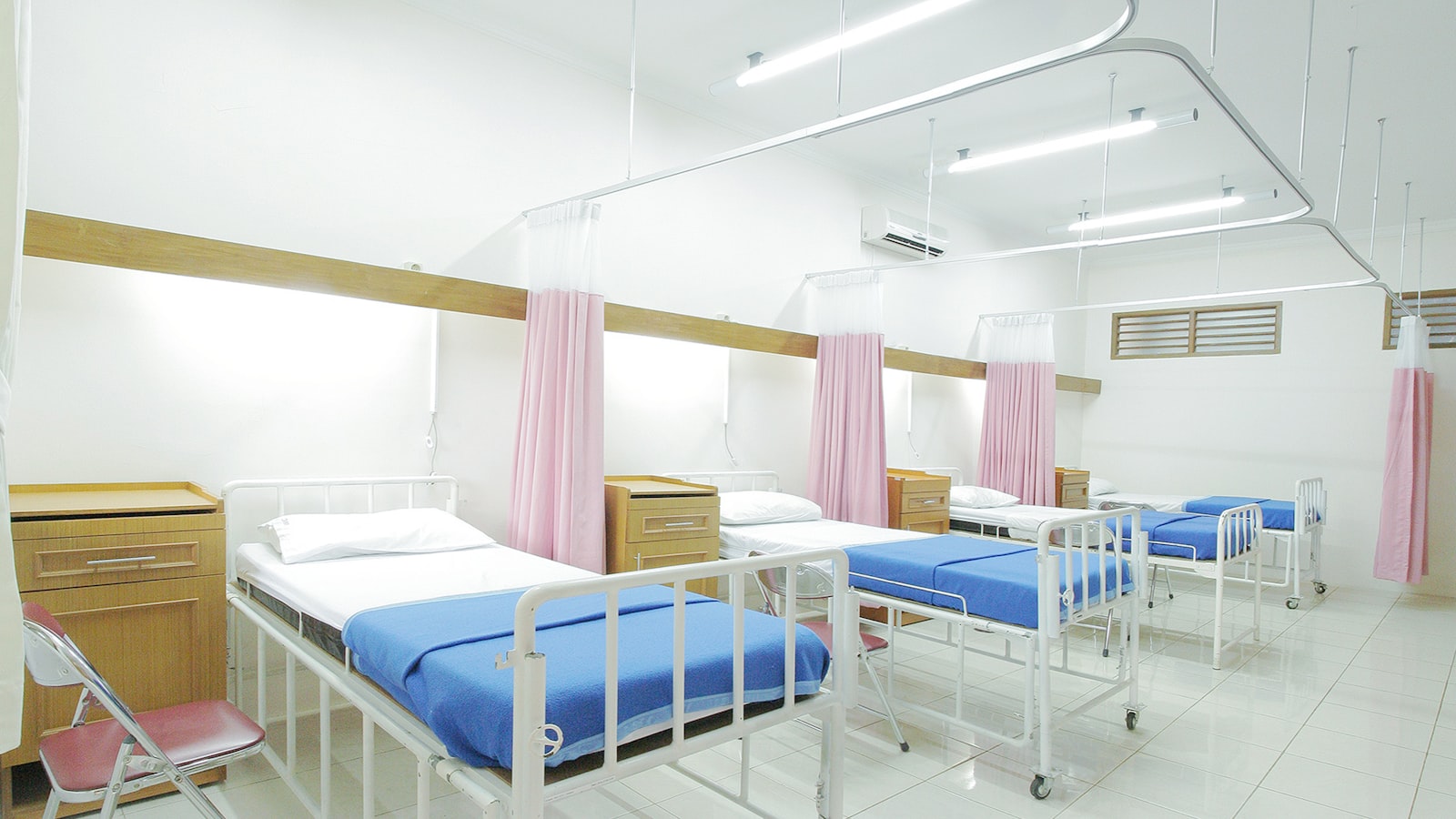
Singapore operates a dual-tier system. The public system — polyclinics for primary care and restructured hospitals for specialist and emergency care — is heavily subsidised and high quality. The private system offers shorter waits, more comfortable facilities, and more flexibility, at significantly higher cost.
Polyclinics: Government-run primary care clinics covering most suburbs. Subsidised rates apply to Singapore citizens and PRs. Foreigners on valid passes (Employment Pass, Dependant Pass, Long-Term Visit Pass) get partial subsidies. Expect to pay SGD 15–45 for a standard consultation. Generally good for routine issues — GPs, vaccinations, chronic disease management, referrals. Waits can be 30–90 minutes.
Restructured hospitals: Singapore General Hospital (SGH), National University Hospital (NUH), Tan Tock Seng Hospital (TTSH), Changi General Hospital (CGH), and others. These are public hospitals that also take private patients. Subsidised wards (B2/C class) are significantly cheaper than private wards. Quality of care is consistent regardless of ward class — it’s largely comfort and wait times that differ.
Private hospitals: Mount Elizabeth, Gleneagles, Raffles Hospital, Parkway East. High-end facilities with short waits and specialist access. Costs are substantially higher — a specialist consultation at a private hospital can run SGD 200–500, versus SGD 50–150 at a restructured hospital.
What Things Cost
| Service | Cost (SGD) | Notes |
|---|---|---|
| GP consultation (polyclinic, subsidised) | 10–45 | — |
| GP consultation (private clinic) | 30–80 | Ubiquitous and generally fast; many open late and weekends |
| A&E (public restructured hospital) | 120–150 | Non-emergency classification; true emergencies triaged faster regardless of payment status |
| Specialist consultation (public, subsidised) | 50–180 | — |
| Specialist consultation (private hospital) | 200–500+ | — |
| Hospitalisation (B2 ward, restructured hospital) | 80–200/night | For foreigners |
| Dental (polyclinic) | 17–60 | Private dental: 80–200+ per visit for basic procedures |
Health Insurance for Foreigners
Singapore healthcare, while good, is not free. Having insurance is important.
Employment Pass holders: Employers are required to provide basic medical insurance. Coverage varies by employer — many provide group health insurance covering outpatient, inpatient, and sometimes dental. Check your policy’s coverage limits.
Digital nomads and tourist-entry visitors: You’re on your own. International travel insurance covering medical is the minimum. For short stays, SafetyWing Nomad Insurance provides solid emergency and hospitalisation coverage at around USD 45–60/month. It’s adequate for most situations but has coverage caps and doesn’t cover pre-existing conditions or elective care.
For longer stays or those who want comprehensive cover, providers like AXA, Cigna Global, Bupa, and Allianz offer international health plans typically ranging USD 150–350/month depending on age and coverage scope. These plans give access to both private and restructured hospitals without financial exposure.
MediShield Life: Singapore’s national insurance scheme. Only available to citizens and PRs — not relevant for foreigners unless you’re on the path to PR.
Specific Health Considerations
Dengue fever: Singapore has regular dengue outbreaks, particularly during hotter months. The Aedes mosquito is present year-round. Use repellent, especially in residential areas. Dengue requires monitoring and hydration — hospitalisation is sometimes necessary in severe cases. Make sure your insurance covers it.
Heat and humidity: Singapore sits on the equator. Temperatures average 31–33°C daily with high humidity. Heat exhaustion is a real risk for newcomers, especially those exercising outdoors. Stay hydrated and acclimatise gradually.
Air quality: Usually good, but Singapore occasionally experiences haze from Indonesian agricultural burning (typically June–October). Check the PSI (Pollutant Standards Index) during haze periods. Those with respiratory conditions should monitor closely.
Mental health services: Available and generally good. Institute of Mental Health (IMH) is the main public facility. Private psychiatrists and psychologists are available at higher cost. Expat-focused counselling services exist in English. Demand has increased significantly post-COVID and wait times for public services can be long.
Pharmacies and Medication
Guardian, Watsons, and Unity are the main pharmacy chains. Smaller independent pharmacies exist in older neighbourhoods. Common medications are available over the counter at reasonable prices. Prescription medication requires a doctor’s prescription, which you can get from any polyclinic or private GP.
Singapore is strict about controlled substances — check before bringing any prescription medications into the country. Certain drugs legal elsewhere may be scheduled substances in Singapore.
Recommended Hospitals
| Need | Hospitals |
|---|---|
| General emergencies (restructured) | Singapore General Hospital (Outram), Tan Tock Seng Hospital (Novena), Changi General Hospital (East) |
| Private care | Mount Elizabeth Orchard or Novena, Gleneagles (Napier Road), Raffles Hospital (City) |
| Women’s health | KK Women’s and Children’s Hospital (KKH) |
| Emergency number | 995 for ambulance — fast and reliable response |
Vaccinations
No mandatory vaccinations are required to enter Singapore (unless arriving from a yellow fever endemic country). Recommended for most visitors: Hepatitis A and B, Typhoid, and ensuring your standard childhood vaccinations are up to date. Singapore’s overall disease risk is very low for a tropical country.
Related Guides
See also: Singapore Visa Guide 2026 | Singapore Safety Guide | Singapore Cost of Living | Singapore Digital Nomad Guide
Related guides:
Travelling to or living in Singapore?
SafetyWing Nomad Insurance covers emergency medical care for travellers and remote workers in Singapore.
Frequently Asked Questions
Public vs Private Healthcare
Singapore operates a dual-tier system.
What Things Cost
GP consultation (polyclinic, subsidised): SGD 10–45
Health Insurance for Foreigners
Singapore healthcare, while good, is not free.
Specific Health Considerations
Dengue fever: Singapore has regular dengue outbreaks, particularly during hotter months.