
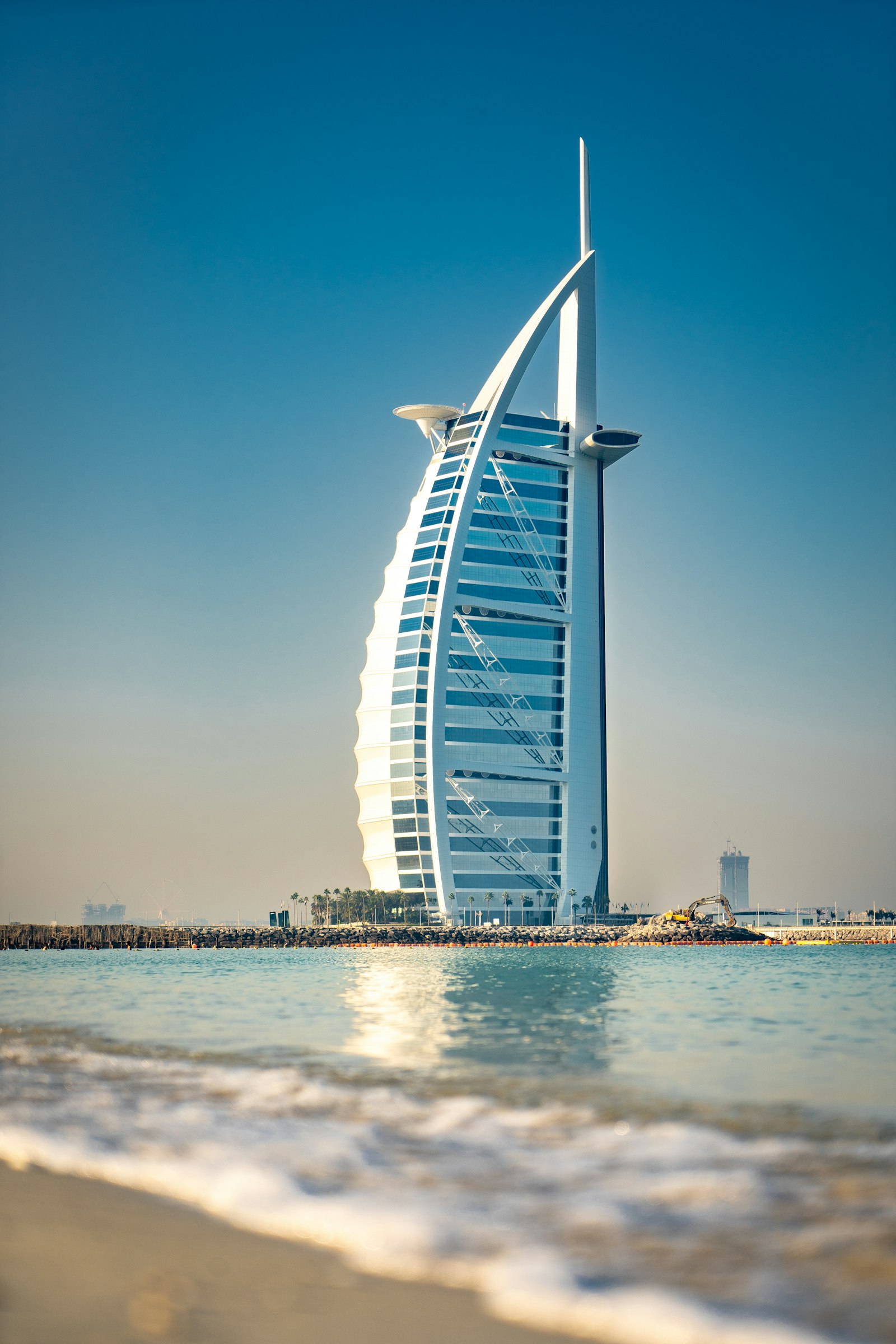
Dubai accommodation runs the full distance — from AED 70 hostel bunks in Deira to AED 5,000 suites over the Palm — and where you stay shapes your trip more than which hotel you pick. This is a city of distinct, car-separated zones rather than one walkable centre, so the right area depends entirely on what you are here for: beach and nightlife, sightseeing, business, or simply spending as little as possible. Prices also swing hard with the calendar — a five-star room that is AED 2,000 in January can fall to AED 600–900 in the August heat. Below are five areas worth basing yourself in, who each one suits, honest pros and cons, and real 2026 price ranges, aimed at long-stay visitors and expats rather than weekend tourists.
Dubai Marina — Best All-Rounder
If you only read one entry, make it this one. Dubai Marina is the default sweet spot for most visitors and nomads: a 7km waterfront promenade lined with towers, cafes and restaurants, a tram and Metro link, and the JBR beach a short walk away. It is lively without being chaotic, walkable in a city that mostly is not, and packed with mid-range to upper hotels and serviced apartments. Expect roughly AED 250–500/night for solid mid-range rooms and AED 600–900+ for the better towers, dropping in summer. The downsides: it is touristy, traffic in and out can clog at peak times, and it lacks old-Dubai character. But for a first base, an easy social life, and a walkable day-to-day, nothing beats it.
The Marina works because everything is walkable: the Marina Walk promenade, two metro stations, the tram and JBR beach are all minutes apart. For hotels, the Address Dubai Marina sits right on the water by the mall, the Vida Dubai Marina is a stylish mid-range pick, and Grosvenor House and the InterContinental anchor the upper end; budget travellers do well in the apartment-style towers around the Walk. Day to day it feels young, international and social — joggers at dawn, yachts by afternoon, a buzzing restaurant strip after dark. The trade-off is density and noise, so ask for a high floor set back from the promenade if you want quiet, and expect peak-hour traffic crawling along the single main road in and out.
Downtown — The Splurge
Downtown is Dubai’s polished showpiece: the Burj Khalifa, the Dubai Fountain, the Dubai Mall and a cluster of high-end hotels all within walking distance, with a Metro station on the doorstep. Stay here and the city’s headline sights are literally outside your window. It suits sightseers, couples and anyone who wants the iconic Dubai experience without a commute. The trade-off is price and atmosphere — rooms run from around AED 500 to well over AED 2,000/night for fountain-view suites, dining is pricey, and the area can feel more like a manicured destination than a neighbourhood. It is also busy with tour traffic. Worth it for a special trip or a few nights; expensive as a long-stay base.
Downtown is the splurge for a reason: you are paying to wake up under the Burj Khalifa with the fountains at your feet. The Address Downtown and the Armani Hotel inside the Burj itself are the showpiece stays, the Palace Downtown brings Old-Arabian glamour over the lake, and the Rove Downtown is a genuinely good-value, design-led option for the location without the five-star price. The Dubai Mall, the souk and the fountain shows are all on foot. The downside is crowds and cost — this is the busiest tourist zone in the city, parking is a headache, and everything from coffee to taxis carries a Downtown premium.
DIFC — Business & Design
The Dubai International Financial Centre is the city’s grown-up, design-led district: a finance hub by day that has become one of Dubai’s best dining, gallery and bar scenes by night. It suits business travellers, anyone here for meetings, and visitors who want sophistication over spectacle. Hotels are sleek and expensive — generally AED 600–2,500/night — and the restaurant and art scene is arguably the best in the city. It is central, well-connected, and walkable within its own bounds. The downsides: it is corporate and quiet at weekends, has no beach, and is not cheap in any sense. For an expat scoping out where to live long-term, DIFC and the adjacent areas are worth a look — our Dubai neighbourhoods guide covers the residential angle.
DIFC suits travellers who want a grown-up, design-forward base with the city’s best dining downstairs. The Waldorf Astoria DIFC and the Ritz-Carlton DIFC bring serious luxury, while the Four Seasons DIFC pairs a sleek address with a strong restaurant and gallery scene right outside the door. It is spotless, central and well connected by metro, and after dark the Gate Village bars and restaurants come alive. What you give up is buzz and beach: DIFC is quiet at weekends and built around the working week, so it rewards business travellers and food-and-design lovers far more than anyone chasing nightlife or a tan.
JBR — Beach Life
Jumeirah Beach Residence (JBR) is Dubai at its most holiday-like: a beachfront strip backed by The Walk, a pedestrian run of restaurants, shops and beach clubs, with Bluewaters Island and the Ain Dubai wheel next door. It overlaps with the Marina but trades the canal for the sand. It suits families, beach lovers and anyone who wants to step out of the lobby onto the shore. Prices span widely — hostels and capsule stays from around AED 70–200, mid-range from AED 169, and beachfront five-stars from AED 600 up past AED 1,200. The catch is that it is busy, touristy and can be loud, especially in season and on weekends. But for a beach-first trip, the location is unbeatable.
JBR is the move if the beach is the point of the trip. The Address Beach Resort towers over the sand with one of the highest infinity pools in the world, the Rixos Premium Dubai JBR brings an all-inclusive resort feel, and the Sofitel Dubai Jumeirah Beach sits right on The Walk. You can stroll from your room to the sea, the tram and a long parade of restaurants and shops. The flip side is that The Walk is a holiday strip — lively and a little touristy — so light sleepers should request a room set back from the seafront, and weekends get busy and loud.
Deira — Budget & Old Dubai
Deira, across the Creek, is where Dubai is cheapest and arguably most characterful. This is the old trading city — the Gold and Spice Souks, the abra crossings, a dense grid of older mid-range hotels and a working, multicultural street life that the glossy districts lack. It suits budget travellers, culture-seekers and anyone with early flights, since it is close to Dubai International Airport. Rooms run from about AED 70 for basic stays to AED 300 for comfortable mid-range. The trade-offs are real: it is gritty, far from the beach, and a Metro-or-taxi ride from the new Dubai sights. But for value and a genuine sense of place, nowhere else in the city competes.
Deira is where Dubai gets cheap, characterful and real. This is the historic trading quarter of gold and spice souks, abra boats across the Creek, and some of the best-value hotels in the city — the Hyatt Regency Dubai is a long-standing creek-side option, while countless clean three- and four-star properties around the souks cost a fraction of the Marina or Downtown. It is brilliantly connected by metro and a short ride from the airport. The trade-offs are obvious — no beach, older and busier streets, far less polish — but for budget travellers and anyone who wants the old city on their doorstep, the value is unbeatable.
Compare the Areas
A quick side-by-side to narrow it down before you book:
| Area | Budget range / night | Best for | Vibe |
|---|---|---|---|
| Dubai Marina | AED 250–900 | All-rounders, nomads, first-timers | Waterfront, lively, walkable |
| Downtown | AED 500–2,000+ | Splurge, sightseeing, couples | Polished, central, expensive |
| DIFC | AED 600–2,500 | Business, fine dining, design | Sleek, corporate, grown-up |
| JBR | AED 200–1,200 | Beach, families, nightlife | Beachfront, busy, holiday |
| Deira / Old Dubai | AED 70–300 | Budget, culture, airport runs | Traditional, gritty, authentic |
How to Book Smart in Dubai
Dubai’s hotel prices swing more than almost any city, so timing matters. The cool, dry season from November to March is peak — and priciest — while the summer months of June to September see rates fall dramatically as temperatures soar, often by half or more. If you can handle the heat (and you’ll be in air conditioning most of the time), summer is when Dubai’s five-star hotels become genuinely affordable. The shoulder months of April and October are the sweet spot, balancing tolerable weather against far better prices.
For stays longer than a few nights, weigh serviced apartments against hotels: aparthotels and brands like Rove and dedicated serviced-apartment operators offer kitchens, laundry and much better nightly value for a week or more, with the flexibility many long-stay visitors and digital nomads need. Compare across platforms, and don’t be shy about asking for a long-stay rate — properties will often discount quietly for multi-week bookings, especially off-season. Finally, factor in Ramadan: the city is calmer and some venues adjust their hours, but hotels can offer strong value, making it a rewarding if quieter time to visit.
Budget Breakdown by Area
Nightly rates vary enormously by area and season. As a rough 2026 guide, here’s what to expect per night across budget, mid-range and luxury tiers, in AED and US dollars (at roughly AED 3.67 to US$1). Off-season summer rates sit at the lower end; peak winter dates push toward the top.
| Area | Budget (AED / USD per night) | Mid-range (AED / USD) | Luxury (AED / USD) |
|---|---|---|---|
| Dubai Marina | AED 350–500 / $95–135 | AED 600–1,000 / $165–270 | AED 1,200–2,500+ / $325–680 |
| Downtown | AED 450–650 / $120–175 | AED 800–1,400 / $220–380 | AED 1,800–4,000+ / $490–1,090 |
| DIFC | AED 450–650 / $120–175 | AED 800–1,300 / $220–355 | AED 1,600–3,500 / $435–950 |
| JBR | AED 400–600 / $110–165 | AED 700–1,200 / $190–325 | AED 1,400–3,000 / $380–815 |
| Deira | AED 150–300 / $40–80 | AED 350–600 / $95–165 | AED 700–1,200 / $190–325 |
The pattern is clear: Deira delivers the lowest rates by a wide margin, the Marina and JBR sit in a comfortable mid-to-upper band that balances price with lifestyle, and Downtown and DIFC command the top prices for their address and amenities. Match the tier to how much time you’ll actually spend in the room — beach-and-pool days reward a JBR splurge, while sightseeing-heavy trips can bank the savings of a well-connected Deira or Marina base.
Practical Notes
Booking timing: rates track the season hard. November to March is high season and the most expensive; June to September is brutally hot but the cheapest, with five-star resorts running staycation deals. Book a few weeks ahead in winter for anything good; summer you can often book last-minute. Serviced apartments vs hotels: for any stay over a week, serviced apartments (common in the Marina, JBR, Business Bay and Downtown) are usually better value than hotels — kitchens, laundry and more space, often at a lower nightly rate. They suit nomads and long-stayers far better than a hotel room. Ramadan: if your trip falls during Ramadan, expect daytime restaurant closures, no daytime eating or drinking in public, quieter daytime energy and lively late nights; hotels still serve guests discreetly, and rates can dip.
Insurance and the long stay: if you are basing yourself here for weeks or months rather than a holiday, standard travel insurance is a poor fit. SafetyWing’s Nomad Insurance is built for long, mobile stays — a monthly subscription with cover that follows you across borders and can be started while you are already in Dubai — which suits the serviced-apartment, season-at-a-time crowd this guide is written for. For what your whole month will actually cost once accommodation is sorted, see our Dubai cost of living guide; to choose between districts for a longer move, our Dubai neighbourhoods guide. Pick the area that matches your trip, not the flashiest hotel, and Dubai gets a lot easier.