
Singapore is small enough that almost anywhere puts you within 30-40 minutes of downtown by MRT, so the “where to stay” question is really a question of vibe and budget rather than convenience. Below is what each area actually offers, with realistic price ranges.
Tiong Bahru
Singapore’s original hipster enclave — art deco walk-up flats, third-wave coffee, and a wet market that still functions as a real neighbourhood market rather than a tourist attraction. Popular with long-stay expats who want character over glass-tower convenience. Rentals run S$3,000-4,500/month for a one- or two-bedroom condo unit; boutique hotel rooms in the area typically run S$180-280/night. Best for people who want walkability, cafe culture, and a genuine neighbourhood feel over resort-style condo amenities.
Holland Village
A long-time expat family favourite — leafy, quiet, well served by international schools and with an easy village-y strip of restaurants and bars. Rents run high, typically S$4,000-6,000/month for a family-sized condo, but so does the quality of life: good schools nearby, established expat community, and a genuinely relaxed pace compared to the CBD. Best for families and longer-term relocators prioritising school access and community over nightlife proximity.
Tanjong Pagar / CBD fringe
For anyone who wants to walk to work in the financial district, this is the practical choice — dense, convenient, and increasingly full of good small-plates restaurants tucked into shophouses. Condo rentals run S$3,500-5,500/month depending on size and building age; hotels in the area are plentiful and mid-to-upper range, S$200-350/night. Best for finance and corporate professionals who value commute time above neighbourhood character.
Katong / Joo Chiat
Peranakan shophouses, a slower pace, and genuinely excellent food — this is the neighbourhood people recommend once they’ve already lived in the more obvious areas and want something with more personality. Rentals are comparatively better value, S$2,800-4,000/month, given the distance from the CBD (20-30 minutes by MRT/bus). Best for people prioritising character, food, and value over central-district proximity.
Budget-conscious options: Bedok and Toa Payoh
Areas like Bedok or Toa Payoh offer solid HDB-estate living at a fraction of the cost of the more “expat” neighbourhoods, with the tradeoff being less walkability to nightlife and international dining. Since HDB rentals to non-PR foreigners are restricted in most configurations, expect to be in a private condo within these estates rather than an actual HDB flat — still meaningfully cheaper, S$2,200-3,200/month, than the central options above. Best for budget-conscious singles or couples comfortable with a longer commute and a more local, less “expat bubble” daily life.
Orchard Road / City Centre
The most tourist-facing option, dense with shopping malls and hotels rather than residential neighbourhood life. Hotels here run the full spectrum from S$150 budget options to S$500+ luxury, and it’s the easiest base for a short tourist trip given proximity to attractions and transit hubs — but not where most long-stay expats actually choose to live, since it lacks the neighbourhood feel of the areas above.
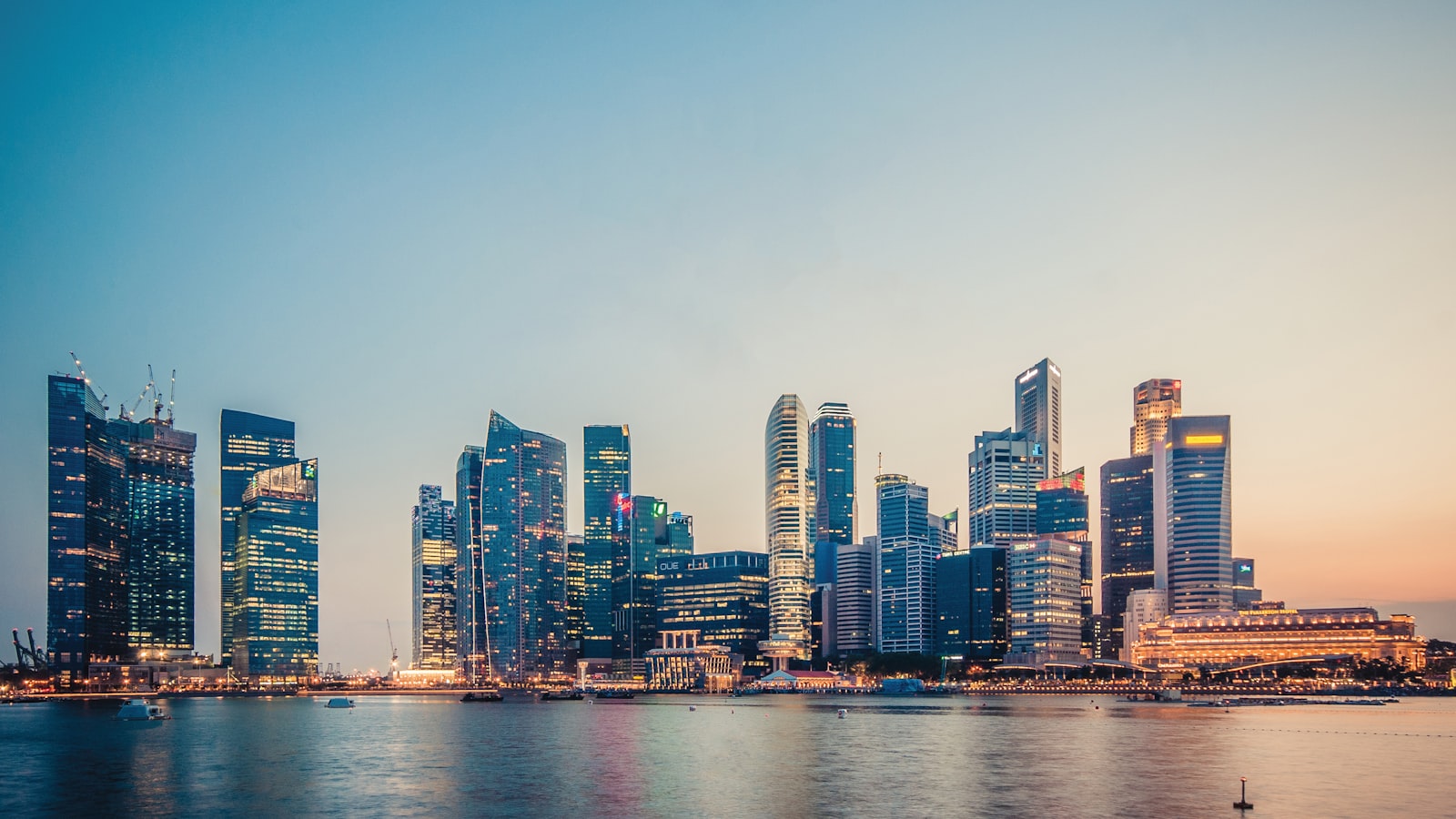
Marina Bay / Downtown Core
The skyline-view, high-rise option — Marina Bay Sands and the surrounding towers dominate this area. Hotels and serviced apartments here are firmly in the luxury tier, S$350-800+/night, aimed at business travellers and short luxury stays rather than long-term residents. Best for short trips where the view and central location matter more than value or neighbourhood character.
Practical notes
Whichever you choose, check MRT proximity before anything else — Singapore’s heat makes a 15-minute walk to the nearest station feel a lot longer than it sounds on a map. For rentals, budget an agent fee (typically half a month to a full month’s rent) if you use a property agent, standard practice here and usually worth it for navigating the market as a newcomer. See our moving to Singapore guide for the fuller relocation process, including visa and banking prerequisites that affect what you can rent and when.
Condo vs HDB rental: what’s the real difference
Most short-term expat rentals fall into two categories: private condominiums and HDB flats (public housing, which makes up the vast majority of Singapore’s housing stock but is rentable by non-citizens too, with some restrictions on ethnic quotas per block). Condos come with pool, gym, and often 24-hour security as standard, cost more per square foot, and are the default choice for most relocating professionals — expect a genuine premium of 20-40% over an equivalent HDB unit in the same area. HDB flats are frequently larger for the money, often in well-connected, established neighbourhoods, and can be excellent value if you don’t need the condo amenities — the trade-off is a more basic building, no pool or gym, and sometimes a more dated interior unless recently renovated. Neither is “better” outright; it depends on whether the amenities are worth the premium to you, and plenty of long-term expats end up in HDB flats once the novelty of a condo pool wears off.
Transit time to the CBD, realistically
Singapore’s MRT network is genuinely excellent and this changes the calculus compared to most cities — being 20-25 minutes from Raffles Place or Marina Bay by train is entirely liveable and often preferable to paying a steep premium to be five minutes away. River Valley and Tiong Bahru run 10-15 minutes to the CBD; Holland Village and Tanjong Pagar itself are similarly close; Katong/Joo Chiat and Bukit Timah run closer to 25-35 minutes depending on the exact MRT line and interchange required. Factor in that Singapore’s heat makes a 10-minute walk to a station feel longer than it sounds on a map — proximity to an MRT entrance itself, not just the neighbourhood generally, is often the more important variable than raw distance to downtown.
Who each neighbourhood actually suits
Tanjong Pagar and the CBD fringe suit finance and corporate professionals who want to walk to work and don’t mind paying for it. River Valley and Robertson Quay suit young professionals and couples who want a lively, restaurant-dense area with river views, at a slightly gentler price than the CBD core. Holland Village suits expat families and anyone wanting an established, low-key, internationally-flavoured neighbourhood with good schools nearby. Tiong Bahru suits design-conscious renters, remote workers, and anyone prioritising cafe culture and walkability over new-build shine — plenty of older, characterful low-rise blocks here rather than glass towers. Katong/Joo Chiat suits people wanting more space for the money and a genuine local, heritage-shophouse character, at the cost of a longer commute. Orchard Road suits short-stay visitors and those who want retail and hotel-district convenience over residential quiet — less commonly a long-term expat base. Marina Bay suits a smaller, higher-budget slice of renters who want the skyline-view, new-development lifestyle and don’t mind a more corporate, less neighbourhood-y feel after hours.
A note on lease terms and agent fees
Standard residential leases in Singapore run two years as the default, though one-year leases are negotiable, sometimes with a small premium; a diplomatic clause (allowing early termination under specific conditions, common for expats whose employment could end the posting) is worth negotiating into any lease before signing. Agent fees are typically paid by the landlord for leases under a certain rent threshold and split or paid by the tenant above it — this varies by agent and property, so clarify who pays what before committing to viewings, since being surprised by a month’s rent in agent fees at signing is a common frustration among new arrivals.