
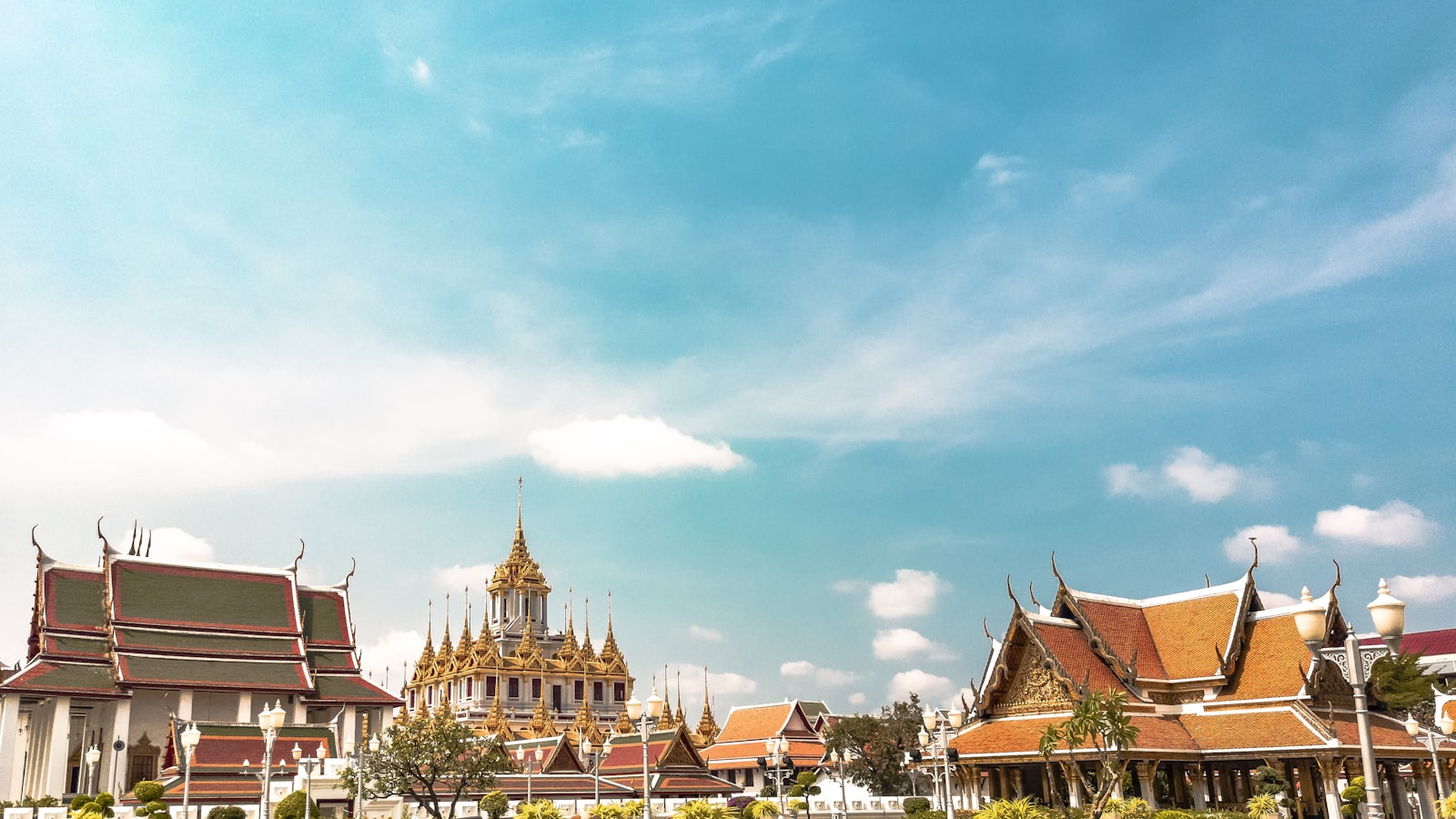
The quick version: Base yourself near a BTS/MRT line and build days around the heat — temples and markets in the morning, air-con malls or a massage at midday, river and rooftops in the evening. Don’t miss the big three temples (Wat Phra Kaew, Wat Arun, Wat Pho), a night in Chinatown for the street food, Chatuchak Weekend Market, and at least one rooftop bar. If you have a spare day, Ayutthaya or Amphawa make excellent day trips.
Bangkok overwhelms first-time visitors and rewards everyone who stays long enough to stop fighting it. The heat, the traffic, the sheer sensory density — it can feel like a lot in the first 48 hours. But give the city a week, settle into a neighbourhood, learn which BTS stops matter, and Bangkok unfolds into one of the most rewarding, liveable and downright fun cities in Asia. This is a guide for people who want to understand Bangkok rather than tick it off — 25 experiences worth your time, organised so you can build days that actually flow, with honest notes on what’s worth the effort and what to skip.
A quick orientation: the BTS and MRT lines form a rough cross through the modern city, the headline temples cluster along the river to the west, and the best food and nightlife are scattered through the eastern Sukhumvit sois. Base yourself near a train line and the rest of the city falls into place.
Temples and History
Bangkok’s temples are the obvious starting point, and the big three deserve a full morning each rather than a rushed cluster. Wat Phra Kaew and the Grand Palace form the spiritual and royal heart of the city — the Emerald Buddha, gilded spires and dazzling mosaic-covered halls are genuinely jaw-dropping. Go early (it opens at 8.30am), dress modestly with shoulders and knees covered, and ignore anyone outside claiming it’s “closed today” — that’s a classic scam to divert you to a gem shop. Entry is around 500 baht.
Across the river, Wat Arun (the Temple of Dawn) is best seen at two times: up close in the morning, when you can climb its steep central prang for views over the Chao Phraya, and again at dusk from the opposite bank, when it’s floodlit and reflected in the water. A few minutes’ walk from the Grand Palace, Wat Pho houses the colossal 46-metre reclining Buddha, its feet inlaid with mother-of-pearl, and is also the home of traditional Thai massage — you can get an excellent, no-frills hour-long massage on site. Finally, in Chinatown, Wat Traimit guards a five-and-a-half-tonne solid gold Buddha, rediscovered by accident under a layer of plaster. It’s quick to visit and pairs naturally with an afternoon in Yaowarat.
Iconic Sights Beyond the Temples
A few non-temple landmarks earn their place on any itinerary. The Jim Thompson House is a serene compound of traditional teak houses assembled by the American who revived Thailand’s silk industry before his mysterious disappearance in 1967 — a guided tour through the art-filled rooms and tropical garden is a cool, calm antidote to the city’s chaos. In the commercial heart of the city, the Erawan Shrine at the Ratchaprasong intersection is a fascinating, free glimpse of living faith: a constant stream of worshippers, garlands, incense and, often, commissioned Thai dancers, all surrounded by glittering malls.
For green space, Lumpini Park is Bangkok’s central lung — joggers at dawn, tai chi groups, paddle boats and resident monitor lizards the size of small crocodiles basking by the water. It’s a genuinely pleasant place to escape the pavement heat for an hour, and a window into how the city actually relaxes.
Neighbourhoods to Explore on Foot
Bangkok rewards walking far more than its reputation suggests, as long as you pick the right areas and the right hours. Rattanakosin, the old royal island, is where the headline temples sit alongside crumbling shophouses, amulet markets and the leafy grounds of Thammasat University — a morning here is a proper history walk. Chinatown (Yaowarat) is the city at its most intense and alive: gold shops, herbalists, dried-goods stalls and, after dark, one of the best street-food strips on earth. Come hungry and go slow.
For a completely different mood, head north to Ari, a low-rise, tree-lined neighbourhood of third-wave cafés, indie boutiques and excellent local restaurants — it’s where young Bangkokians and long-stay nomads actually hang out. Thonglor and neighbouring Ekkamai are the upmarket end of that scene: craft cocktail bars, Japanese izakayas, design studios and some of the city’s best brunch. None of these are “sights” exactly, but spending an unhurried afternoon in one of them tells you more about modern Bangkok than any temple.
Markets Worth Your Time
Chatuchak Weekend Market is the big one — more than 15,000 stalls selling everything from vintage clothing and ceramics to plants, art and street food, spread across a maze that genuinely takes hours. Go early on a Saturday or Sunday morning before the heat peaks, wear comfortable shoes, and accept that you will get lost; that’s part of it. It’s at the Mo Chit BTS / Chatuchak MRT stop.
For atmosphere over shopping, the night markets deliver. Talad Rot Fai (the Train Market) at Srinakarin or Ratchada is all neon, vintage cars, retro bric-a-brac and cheap beer — the Ratchada location is the most central and photogenic, glowing from the viewpoint above. And if you want to see where the city actually buys its food, Or Tor Kor market near Chatuchak is a pristine fresh market of glorious tropical fruit, curries and prepared dishes — one of the cleanest, most rewarding food markets in the country.
For a modern, air-conditioned counterpoint, Bangkok’s mega-malls are destinations in their own right — Iconsiam on the riverfront, EmQuartier on Sukhumvit, and the bargain warren of MBK — each with food courts that rival the street for variety and a very welcome blast of cool air.
The River and the Canals
The Chao Phraya is Bangkok’s original highway and still its most pleasant way to travel. The Chao Phraya Express Boat — particularly the cheap orange-flag line — links many of the major riverside sights and is a breezy, scenic alternative to the traffic above. Buy a hop-on, hop-off tourist boat pass if you want flexibility, or just use the local boats for a few baht a ride.
Beyond the main river, the khlongs (canals) of Thonburi on the west bank offer a glimpse of an older, slower Bangkok — wooden houses on stilts, tiny temples and a way of life largely unchanged. A long-tail boat tour is touristy but genuinely lovely, especially in the early morning. In the evening, Asiatique The Riverfront packages the riverside experience into a polished open-air mall with restaurants, a Ferris wheel and a free shuttle boat from Saphan Taksin BTS — easy, a little commercial, but a pleasant way to end a day on the water.
The Food Scene
If you do nothing else in Bangkok, eat — relentlessly, and mostly on the street. Chinatown after dark is the headline act: grilled seafood, oyster omelettes, guay jub (peppery rolled-noodle soup), and stalls that have been perfecting one dish for decades. Bangkok is also the only city in the world with a Michelin-starred street stall — Jay Fai, the omelette-and-crab institution whose queues are legendary; worth it for the experience if you’re willing to wait or book ahead.
Balance the street food with a rooftop dinner at least once — the city’s skyline is made for it. And don’t overlook the everyday brilliance of a neighbourhood som tam stall, a boat-noodle shop, or a morning bowl of jok (rice porridge). Eating well in Bangkok costs almost nothing and is, for many long-stay travellers, the single best reason to keep coming back.
If you want to cast wider: Sukhumvit’s side streets hide everything from Isaan grilled-meat joints to excellent Indian and Middle Eastern food, the lanes around Victory Monument are boat-noodle central, and the city’s fine-dining scene — from progressive Thai to inventive tasting menus — has quietly become one of Asia’s best. Whatever your budget, a couple of minutes of research before each meal pays off enormously here.
Culture and Active Experiences
To go deeper than sightseeing, build in an experience or two. A Muay Thai night at one of the historic stadiums — Rajadamnern or Lumpinee — is loud, electric and authentically Thai, with the betting crowd as much a spectacle as the fights. A half-day Thai cooking class, usually starting with a market tour, sends you home able to actually recreate a green curry or a proper som tam, and is consistently one of travellers’ favourite memories of the city.
For an unexpected escape, cross the river to Bang Krachao, the “green lung” — an artificial-island loop of jungle, stilted boardwalks and a weekend floating market, best explored by rented bicycle. It’s astonishing how quickly the high-rises give way to mango orchards and birdsong, and it’s one of the most rewarding half-days within the city limits.
Day Trips from Bangkok
Three day trips stand out. Ayutthaya, the former Siamese capital an hour or so north, is a UNESCO site of red-brick temple ruins and the famous Buddha head wrapped in tree roots — rent a bicycle and spend a slow day among the stupas. Amphawa is the more authentic of the floating-market options: a weekend canal market where locals actually shop and eat, best in the late afternoon with an evening firefly boat tour.
The classic Damnoen Saduak floating market is more touristy and further out, but still photogenic if you arrive at dawn before the tour buses; manage your expectations and treat it as a photo-and-fruit experience rather than a place to genuinely shop. Any of these can be done independently by minivan or train, or via an organised tour if you’d rather not plan. With a spare night, Kanchanaburi — home of the River Kwai bridge and a gateway to waterfalls and national parks — opens up even more of Thailand within easy reach of the capital.
Nightlife
Bangkok’s nightlife runs the full spectrum. Khao San Road is the backpacker classic — chaotic, cheap, fun for an hour or two and a rite of passage, even if you don’t linger. Silom Soi 4 is the heart of the city’s lively LGBTQ+ scene, while the surrounding Silom and Sathorn areas hold everything from speakeasies to live-music bars.
But the experience most visitors remember is a rooftop bar. The Sky Bar at Lebua (of Hangover II fame) is the showiest, Octave atop the Marriott Thonglor offers a 360-degree circular terrace, and Moon Bar at Vertigo gives you the skyline without the worst of the crowds. Dress codes apply and drinks are pricey by Bangkok standards, but watching the city light up from 60-odd floors is worth doing once.
Practical Tips
Getting around: the BTS Skytrain and MRT subway are clean, cheap, air-conditioned and cover most of the areas a visitor cares about — use them as your backbone and you’ll skip the worst of the traffic. For everywhere else, the Grab app (Southeast Asia’s Uber) is cheap, cashless and far easier than negotiating with taxis. Get a Rabbit card for the BTS if you’re staying a while.
When to go and how to cope: the cool, dry season from November to February is the most comfortable; March to May is brutally hot; and the June-to-October rainy season brings short, heavy afternoon downpours rather than all-day rain. Whatever the month, build your sightseeing around the heat — temples and markets in the morning, air-conditioned malls, museums or a massage in the midday peak, and the river or rooftops in the cooler evening. Carry water, and don’t underestimate how much the humidity takes out of you.
Travel Insurance for Bangkok
Bangkok’s private hospitals are excellent and far cheaper than Western equivalents, but they expect payment up front, and a scooter spill or a bout of food poisoning can still run into real money. Decent travel and medical insurance is worth having for any trip. SafetyWing Nomad Insurance is a flexible, subscription-style option built for travellers and digital nomads — it covers medical care abroad, bills monthly, and can be started even after you’ve already arrived.
That’s Bangkok — chaotic, generous and endlessly re-visitable. Do the temples properly, eat your way through Chinatown, find a neighbourhood that fits you, and let the city set the pace. It rarely takes long before the place that overwhelmed you on day one becomes one you can’t quite leave.
• Best Neighbourhoods in Bangkok — where to base yourself
• Bangkok Safety Guide — common scams and practical precautions
• Bangkok Healthcare Guide — hospitals and insurance
• Bangkok SIM Card Guide — get connected before you land
Frequently Asked Questions
How many days do I need in Bangkok?
3–4 days covers the highlights comfortably; a week lets you add a day trip (Ayutthaya or Amphawa) and slow down enough to actually enjoy neighbourhoods like Ari or Chinatown rather than rushing between sights.
What’s the best way to get around Bangkok?
The BTS Skytrain and MRT subway are clean, cheap and cover most areas visitors care about. Use Grab for everywhere else — it’s cheaper and easier than negotiating with taxis.
What’s the best time of year to visit Bangkok?
November to February is the coolest and most comfortable. March to May is brutally hot, and June to October brings short, heavy afternoon downpours rather than all-day rain.
Is the Chatuchak Weekend Market worth it?
Yes, if you go early on a Saturday or Sunday morning before the heat peaks. It’s over 15,000 stalls and genuinely takes hours — wear comfortable shoes and accept you’ll get a little lost.