
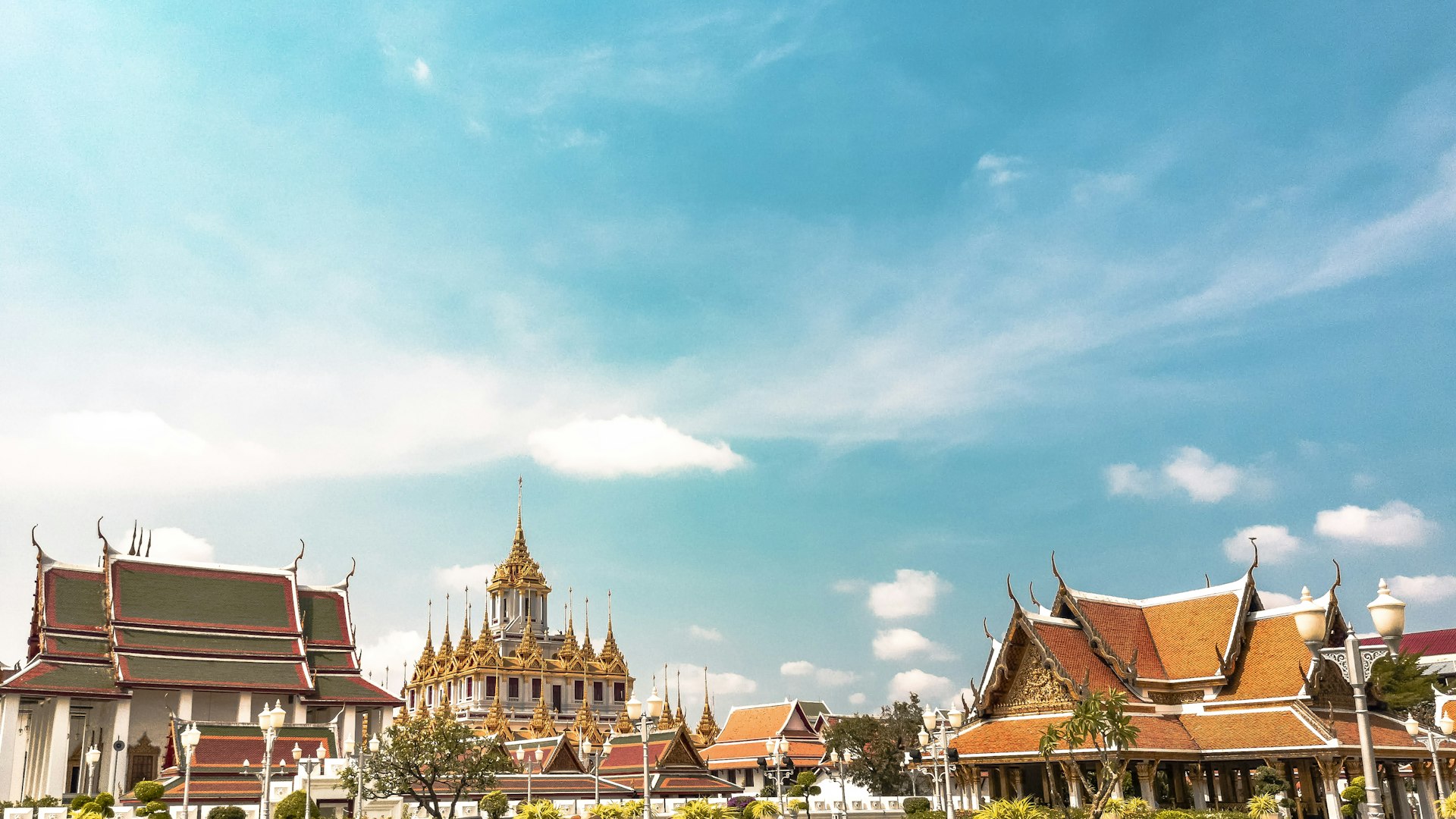
The quick version: Stay on or near a BTS or MRT station — that’s the single rule that matters most in Bangkok. Lower/Mid Sukhumvit suits first-timers wanting everything nearby; Ari or Ekkamai suit digital nomads wanting cafes and community; On Nut or Lat Phrao are the budget-conscious long-term picks; Thonglor and the Riverside are the upscale/luxury options. Rents range from THB 8,000/month in On Nut to THB 50,000+ in Thong Lo.
Why Bangkok’s Geography Matters Before You Book Anything
Bangkok is a sprawling city of over 10 million people across 1,500 square kilometres. Unlike Singapore or Hong Kong, it doesn’t have a compact, walkable centre — it has several distinct centres connected by elevated rail (BTS Skytrain) and underground metro (MRT), with large swathes of the city only accessible by taxi, Grab, or motorbike taxi. Where you stay determines what your daily experience looks like, how much time you spend in traffic, and whether you can get to the things you want to do without a 45-minute commute each way.
The core principle: stay on or near a BTS or MRT station. Bangkok is manageable when you’re on the rail network; it’s frustrating and expensive when you’re not.
Sukhumvit: The Main Expat and Tourist Corridor
Sukhumvit Road is Bangkok’s longest street and its main expat spine, running east from the CBD through most of the city’s tourist and international residential zones. BTS stations punctuate it from Nana to On Nut and beyond. The sub-areas within Sukhumvit are worth understanding individually:
Lower Sukhumvit (Nana to Asok, Soi 1–21)
Tourist-facing and expat-dense. Nana Plaza (Soi 4) and Soi Cowboy (Soi 21) are the entertainment district anchors. Soi 11 has the international bar scene. Asok BTS/MRT interchange is the city’s most connected transit point. Accommodation here is plentiful at all price points. Best for: first-timers who want easy access to everything; people who want to be central.
Mid Sukhumvit (Phrom Phong to Thong Lo, Soi 24–55)
More residential, slightly quieter, significantly better restaurants and shopping. EmQuartier and EmPorio malls at Phrom Phong BTS are among Bangkok’s best. Thong Lo (Soi 55) is the upscale lifestyle hub with Bangkok’s best bar scene. Best for: longer stays, those who want quality daily life over tourist convenience.
Upper Sukhumvit (Ekkamai, On Nut, Bearing)
More local, significantly cheaper rent, still on the BTS. On Nut (Soi 77) is a popular long-term expat area — good markets, authentic food options, 15 minutes from central Asok by train. Best for: budget-conscious long-term visitors, those who want a more genuine Bangkok residential experience.
Silom and Sathorn: Finance District, Better than It Sounds
The Bangkok CBD around Silom Road and Sathorn gets dismissed as a business district by many travellers, but it’s genuinely one of the better areas to stay for those who want quieter streets, better access to classic Bangkok (Chinatown is nearby), and excellent dining options.
Silom Road has the BTS Sala Daeng/MRT Silom interchange. Patpong night market runs off Silom. Lumpini Park — Bangkok’s largest green space — is at the northern end of Sathorn. The area has some of Bangkok’s best traditional Thai restaurants and is better connected to the old city than Sukhumvit.
Typical accommodation: mostly business hotels and serviced apartments; some boutique options. Rent for long stays is cheaper than equivalent quality in Thong Lo.
Old City (Rattanakosin): Temples, History, Not Practical for Stays
The Rattanakosin area — Wat Pho, Wat Phra Kaew, the Grand Palace, Khao San Road — is where Bangkok’s major historical attractions are concentrated. Staying here gives you easy morning access to the temples before the crowds. That’s the upside. The downsides:
- No BTS or MRT access — you’re getting around by taxi, Grab, or boat
- Limited good dining options compared to other areas
- Accommodation options are mostly budget guesthouses or overpriced boutique hotels
- Khao San Road is here, which is either a plus or minus depending on who you are
Worth staying one or two nights if the temples are the primary reason you’re in Bangkok. For longer stays, the lack of rail access becomes genuinely limiting.
Ari: The Neighbourhood Bangkok’s Own People Love
Ari is on the BTS (Ari station, Sukhumvit line extension north of the main circuit) and feels completely different from tourist Bangkok. A middle-class Thai residential neighbourhood with excellent cafes, good local restaurants, a small but excellent specialty coffee scene, and almost no tourist infrastructure to speak of. If you want to understand what Bangkokians actually do on weekends, Ari is instructive.
Accommodation options are limited compared to Sukhumvit — mostly serviced apartments and a handful of boutique hotels. Long-term rent is cheaper than Thong Lo at equivalent quality. Best for: those who want to live more like a Bangkok resident; longer stays; people who’ve been before and want something different.
Thonglor and Ekkamai: Upscale, Nightlife-Centred
Thonglor (Sukhumvit Soi 55) and Ekkamai (Soi 63) together form Bangkok’s most vibrant upscale social hub. The concentration of good restaurants, bars, and cafes per square kilometre is unmatched. The crowd is Bangkok’s wealthy Thai professional class, Japanese expat community (historically concentrated here), and foreign residents who want genuine Bangkok rather than tourist Bangkok.
BTS Thong Lo is the anchor. Accommodation in Thonglor itself is expensive; nearby Ekkamai offers slightly better value. Best for: those who prioritise food and nightlife; Japan-oriented travellers (Japanese restaurants and izakayas are exceptionally good here); upscale long-term stays.
Riverside: Beautiful but Inconvenient
The Chao Phraya riverside — particularly around the Oriental, Mandarin Oriental, and Peninsula hotel cluster — is Bangkok at its most atmospheric. The river views are genuinely stunning, the historic architecture is present, and the river taxi (Chao Phraya Express Boat) is a functional and enjoyable way to move up and down the river.
The problem is that it’s not on the BTS/MRT system (except Saphan Taksin BTS, which is at the southern end of the riverside strip). Getting to Sukhumvit means a taxi in Bangkok traffic. Best for: short stays where you specifically want the riverside experience and can afford the luxury hotels that dominate here.
Lat Phrao and On Nut: Local Options Worth Knowing
Lat Phrao (served by MRT) and On Nut (BTS Sukhumvit line) are genuine Bangkok residential areas that work well for budget-conscious long-term visitors. Both have good local markets, cheap food, and easy rail connections to the main city. Rent is 30–40% cheaper than equivalent accommodation in central Sukhumvit. You’re trading tourist convenience for a more authentic daily life, which is a reasonable trade for many people.
Best Neighbourhood by Traveller Type
- First-timer (1–2 weeks): Lower or mid Sukhumvit — easy access, plenty of options, everything visible
- Digital nomad: Ari or Ekkamai — cafe infrastructure, community, BTS access, not tourist-facing
- Family: Mid Sukhumvit (Phrom Phong area) — good malls, hospitals, international schools nearby, manageable for kids
- Luxury traveller: Riverside or Thong Lo — best hotels and restaurants respectively
- Budget long-term: On Nut or Lat Phrao — cheap, local, still connected
- Culture-focused: Silom / Old City — temple access, Chinatown proximity
Getting Around: The BTS and MRT Explained
BTS Skytrain (elevated): two main lines — Sukhumvit Line (east-west) and Silom Line (diagonal). Covers most tourist and expat areas. Runs 6am–midnight. Fares: 16–59 THB per trip, or buy a Rabbit Card for faster boarding.
MRT (underground): two lines covering areas the BTS doesn’t (including Chinatown, Lat Phrao, airport rail link to Suvarnabhumi). Same fare structure.
For areas off the rail network: Grab is the most reliable option. Motosai (motorcycle taxis in orange vests) are faster for short trips in traffic — negotiate fare before boarding. Tuk-tuks are for tourists on short scenic trips; don’t use them for practical transport.
Typical Rent by Area (2026)
| Area | Typical unit | Monthly rent (THB) |
|---|---|---|
| Lower Sukhumvit | Studio | 15,000–30,000 |
| Thong Lo | 1-bedroom | 25,000–50,000 |
| Ari | 1-bedroom | 15,000–30,000 |
| On Nut | Studio | 8,000–18,000 |
| Silom | 1-bedroom | 18,000–35,000 |
Browse Bangkok accommodation on Booking.com to check current options by area. For more on daily costs, the Bangkok cost of living guide has the full breakdown,. The Bangkok cafes guide covers the best spots by neighbourhood, and Bali vs Bangkok is useful if you’re weighing both cities. The Bangkok Digital Nomad Guide ties in the visa and lifestyle picture.
Health insurance: Whether you’re visiting Bangkok for a week or basing yourself here for months, arriving without health cover is a financial risk given the cost of private hospital care. SafetyWing Nomad Insurance (~USD 56/4 weeks) is a practical option for shorter stays and people moving between countries.
- Why Bangkok’s Geography Matters Before You Book Anything
- Sukhumvit: The Main Expat and Tourist Corridor
- Silom and Sathorn: Finance District, Better than It Sounds
- Old City (Rattanakosin): Temples, History, Not Practical for Stays
- Ari: The Neighbourhood Bangkok’s Own People Love
- Thonglor and Ekkamai: Upscale, Nightlife-Centred
- Riverside: Beautiful but Inconvenient
- Lat Phrao and On Nut: Local Options Worth Knowing
- Best Neighbourhood by Traveller Type
- Getting Around: The BTS and MRT Explained
- Typical Rent by Area (2026)
• Cost of Living in Bangkok — full monthly budget breakdown
• Bangkok Digital Nomad Guide — visas and lifestyle logistics
• Bangkok Safety Guide — what to know about each area
• Best Cafes in Bangkok — top spots by neighbourhood
Frequently Asked Questions
What’s the best area to stay in Bangkok for a first visit?
Lower or Mid Sukhumvit — easy BTS access, plenty of accommodation at every price point, and close to most major attractions and malls.
Where should digital nomads base themselves in Bangkok?
Ari or Ekkamai/Thonglor. Ari offers a quieter, more local feel with excellent cafes; Ekkamai/Thonglor gives you Bangkok’s densest concentration of coworking, restaurants, and nightlife.
Is it worth staying somewhere without BTS or MRT access?
Generally no, for anything beyond a night or two near the temples. Bangkok traffic makes off-rail neighbourhoods frustrating and expensive to get around from, even with Grab.
What’s the cheapest area to live in Bangkok long-term?
On Nut and Lat Phrao offer rents 30–40% cheaper than central Sukhumvit while still being connected to the BTS/MRT network.