
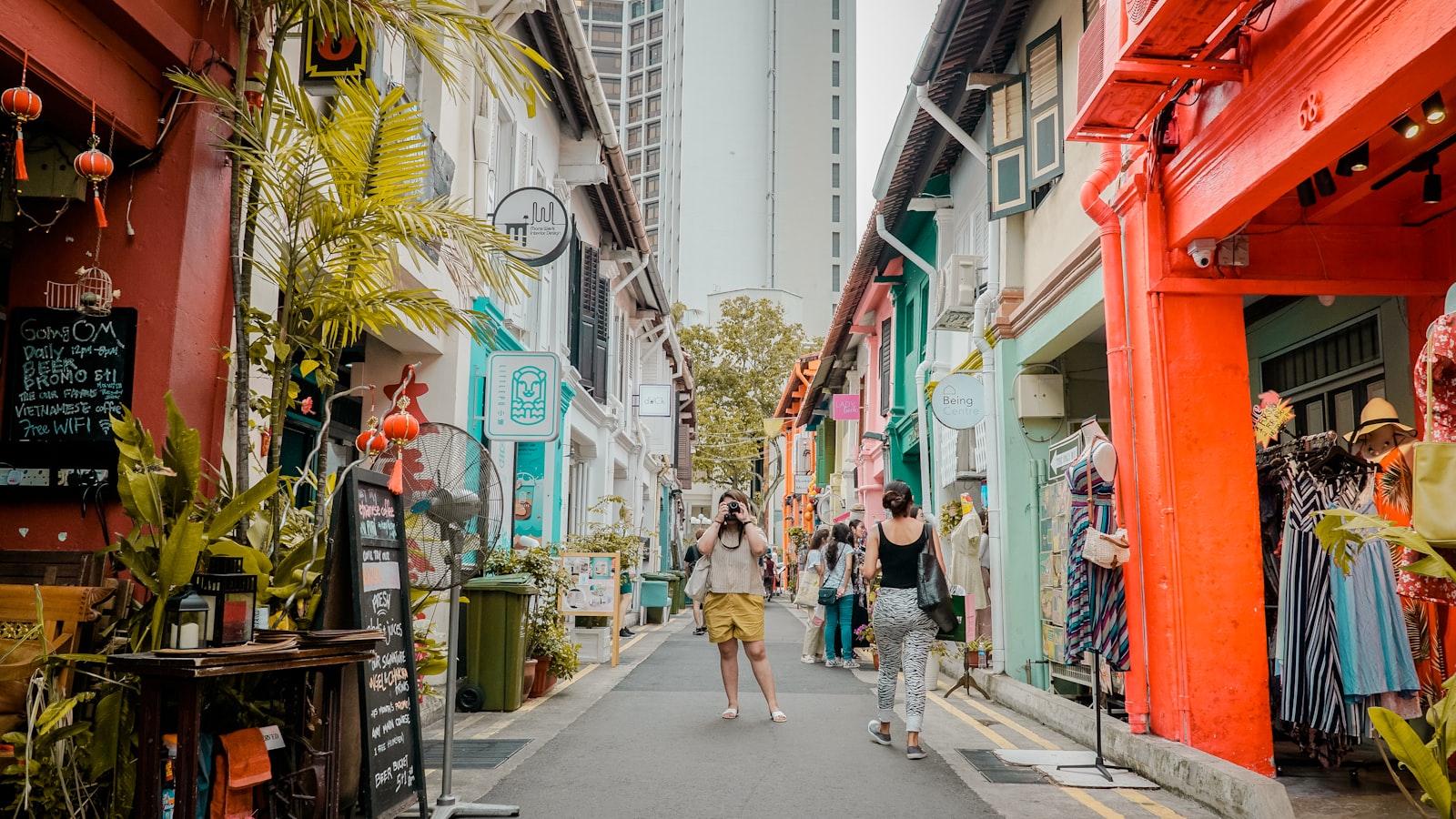
TL;DR: Singapore is one of the safest cities in the world by any objective measure. Violent crime is rare, petty theft is low, and the infrastructure is reliable. For most visitors the safety concern list is genuinely short. Here’s what the actual picture looks like.
Singapore is one of the safest cities in the world by any objective measure. Violent crime is rare, petty theft is low, and the infrastructure is reliable. For most visitors the safety concern list is genuinely short. Here’s what the actual picture looks like.
The Overall Picture
Singapore consistently ranks in the top 5 safest cities globally across multiple indices. The combination of effective law enforcement, significant penalties for crime, high standard of living, and a well-functioning social system produces an environment where street crime is genuinely uncommon. Walking alone at any time of night in virtually any neighbourhood carries minimal meaningful risk. The MRT and buses run late, are well-lit, and are safe.
This doesn’t mean Singapore is risk-free — it means the risk profile is different from most urban environments. The things that do require attention are specific and largely non-violent.
Scams
Online and phone scams are Singapore’s primary safety concern — not street crime. The Singapore Police Force publishes regular advisories on scam types because they’re the most common crime affecting residents and visitors. Common patterns include:
Investment scams: Cryptocurrency and investment opportunities pushed via messaging apps, social media, or dating platforms. Often elaborate — relationships are cultivated over weeks before the investment pitch. Singapore authorities have been explicit: no legitimate investment opportunity needs to be pitched this way.
Phishing: Fake bank, government, or utility communications asking for account details. Singapore’s major banks communicate through their own apps and will not ask for passwords or OTPs via call or SMS.
Government impersonation: Calls from people claiming to be from MOM, ICA, CPF, or the police requiring payment or personal information. Singapore government agencies do not demand payment over the phone.
For tourists, these scams are less relevant than for residents — but be aware of opportunistic pitches in tourist areas like Clarke Quay and Chinatown.
Laws You Need to Know
Singapore enforces laws that visitors from more permissive environments sometimes get caught out by.
| Law | What to know |
|---|---|
| Chewing gum | Banned for import and sale (therapeutic gum excepted). Not an offence to chew it, but importing it is — don’t bring packs in. |
| Littering | Strictly enforced; first offence fines start at SGD 300. |
| Jaywalking | Technically illegal within 50 metres of a pedestrian crossing. Enforcement is inconsistent but exists. |
| Smoking | Banned in most public areas (air-conditioned venues, bus stops, parks, many outdoor areas). Use designated smoking zones. Fines up to SGD 1,000. |
| Drugs | Some of the world’s strictest laws. Trafficking quantities (lower than many expect) carry mandatory death penalty; possession carries significant prison sentences and caning. |
| Vaping | E-cigarettes and vaping devices completely banned — import, sale, and use all prohibited. |
Road Safety
Singapore’s roads are well-maintained and driving is orderly by regional standards. Traffic fatality rates are low. Pedestrians have meaningful right of way at crossings, and drivers generally observe this. The main caution is for cyclists — the cycling infrastructure has expanded but road cyclists still share space with fast-moving traffic on arterial roads.
Health and Environmental Safety
Tap water in Singapore is safe to drink directly — it meets WHO standards and is among the cleanest in the world. Food hygiene standards at hawker centres are regulated by the NEA with a grading system (A/B/C visible at each stall); A-graded stalls are common and very safe. No malaria risk in Singapore. Dengue fever exists and is monitored by NEA — mosquito repellent is sensible during peak season.
Air quality: Singapore is occasionally affected by haze from agricultural burning in Sumatra and Kalimantan, typically June–October. Check the NEA PSI (Pollutant Standards Index) on days when haze is visible — above 100 warrants limiting outdoor exposure, above 200 is serious. An N95 mask is worth having if you plan an extended stay during haze season.
Emergency Numbers
| Service | Number |
|---|---|
| Police | 999 |
| Ambulance/Fire | 995 |
| Non-emergency police | 1800 255 0000 |
| Singapore Tourism Board | 1800 736 2000 |
Singapore is an easy city to feel safe in — for most visitors, the primary task is understanding the specific laws that differ from home rather than managing any conventional safety concerns.
Is Singapore Safe Right Now in 2026?
Yes, without qualification. Singapore is consistently ranked among the top three safest cities in the world, and the experience on the ground matches the data. Violent crime is exceptionally rare, petty theft is uncommon, and the city functions with a level of public order that is genuinely unusual by global standards. The government’s consistent and firm stance on law enforcement — including for minor infractions — is both the cause of this safety and the main thing visitors need to understand before they arrive.
Female Solo Travellers
Singapore is one of the best cities in the world for female solo travel. Street harassment is minimal, public transport is safe at all hours, and the city’s compact geography means you’re rarely far from a busy, well-lit environment. Late-night MRT and buses are used by women travelling alone without incident as a matter of routine. The main practical tip is simply to use Grab rather than hailing unlicensed transport, and to keep your hotel’s address in your phone before exploring unfamiliar areas.
One specific note: Singapore’s Orchard Towers area (known locally as “Four Floors of Whores”) is a red-light district that attracts aggressive touts after midnight. Easily avoided — just don’t go there late at night if you’re not looking for that scene.
Drug Laws — Zero Tolerance, Seriously
Carry documentation for all prescription medications. Medications that are controlled substances in Singapore require import permits — check the Health Sciences Authority (HSA) website before you travel if you take anything beyond standard OTC medicine.
Other Laws Worth Knowing
Singapore enforces laws that are rarely enforced elsewhere. Chewing gum is banned (with medical exceptions). Jaywalking carries fines up to SGD 1,000. Littering is actively enforced with fines starting at SGD 300. Smoking is prohibited in most public areas including outside restaurants, in parks, and near MRT stations — designated smoking areas exist but are marked. Vaping and e-cigarettes are completely banned; bringing them into Singapore at all is an offence carrying up to SGD 10,000 in fines or six months imprisonment.
LGBTQ+ travellers should be aware that same-sex sexual activity between men was decriminalised in 2022 (Section 377A was repealed), but same-sex relationships have no legal recognition in Singapore and public displays of affection draw more attention than in comparable cities. The city is broadly tolerant in practice, and there is a visible LGBTQ+ community particularly in the Tanjong Pagar area.
The Bottom Line
Singapore is as safe as a city gets. The risks here are not the conventional ones — pickpockets, muggings, scams — but rather legal and regulatory ones. Follow the rules, which are clearly signposted and not unreasonable by most standards, and Singapore is an exceptionally comfortable city to travel in. For everything else you need to know about living and working here, the Singapore hub is the starting point.
Related guides:
Travelling to or living in Singapore?
SafetyWing Nomad Insurance covers emergency medical care for travellers and remote workers in Singapore.
Frequently Asked Questions
The Overall Picture
Singapore consistently ranks in the top 5 safest cities globally across multiple indices.
Scams
Online and phone scams are Singapore’s primary safety concern — not street crime.
Laws You Need to Know
Singapore enforces laws that visitors from more permissive environments sometimes get caught out by.
Road Safety
Singapore’s roads are well-maintained and driving is orderly by regional standards.